
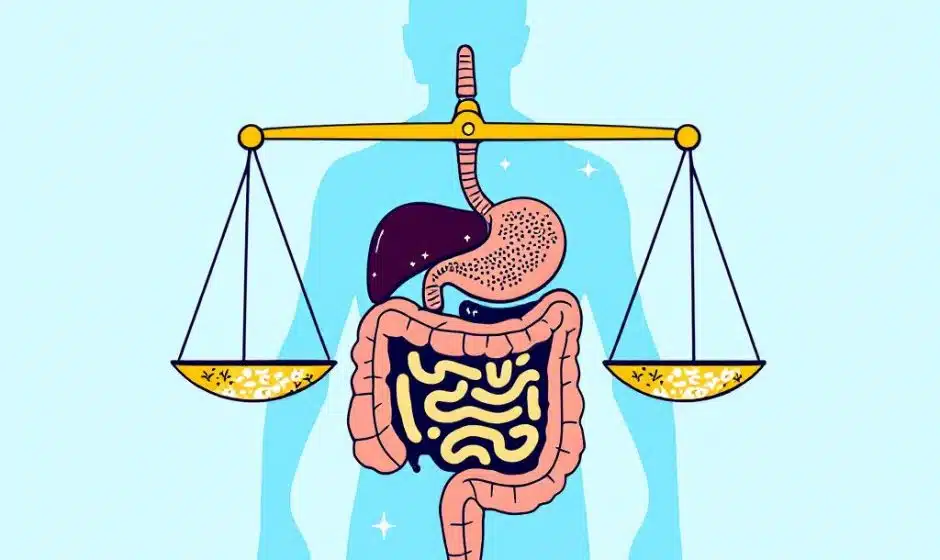

Hey there! Have you ever had one of those mysterious tummy troubles after enjoying a nice meal, leaving you baffled about what’s going on? You’re not alone. Many people deal with food sensitivities daily, and figuring out the culprit can be tricky. Today, let’s dive into something a bit more specific yet super important—FODMAPs and how they might be tangled up with our hormones. It’s an intriguing tie, trust me.
What’s the Big Deal with FODMAPs?
So, what on earth are FODMAPs? Think of them as a collection of short-chain carbohydrates that some people just have a hard time digesting. FODMAP stands for Fermentable Oligosaccharides, Disaccharides, Monosaccharides, and Polyols. Yeah, a mouthful, right? Basically, these are complex words for certain types of sugars found in many common foods.
Now, let’s imagine biting into an apple. Beautiful, juicy, but for some folks, it’s not an apple-a-day situation—it’s more of a “where’s the nearest restroom” kind of deal. This is where FODMAPs could be messing with them, triggering symptoms like bloating, gas, and abdominal discomfort.
High FODMAP Foods to Watch Out For
Many of us have heard you need to watch for lactose and gluten if you have food sensitivities, but FODMAPs are a little different. Here’s a quick peek into some high FODMAP foods you might come across:
- Fruits: Apples, pears, and cherries
- Vegetables: Cauliflower, garlic, and onions
- Grains: Wheat-based products such as bread and pasta
- Legumes: Lentils and chickpeas
- Sweeteners: High fructose corn syrup, honey
These foods aren’t inherently bad, but for some folks, they can stir up all sorts of digestive drama.

Why Hormones Even Matter Here
Alright, now you might be wondering, what’s any of this got to do with hormones? Hormone regulation is a complex mechanism our body undertakes to ensure everything runs smoothly—kind of like an internal orchestra where nothing goes out of tune. When our digestive system goes haywire, it’s not just confined to our gut; the upset can ripple out to other parts, including our hormones.
Enter your friendly neighborhood hormone, **Insulin**, or the stress-related Cortisol. Balancing such hormones is crucial because their fluctuation can dictate how we feel on a day-to-day basis. Hormonal imbalances might even affect mood, energy levels, sleep patterns, and even skin health. Cortisol, for instance, which is often spiked by stress, can increase inflammation in the body, and when you couple that with irritable bowel symptoms from FODMAP’s sensitivity, it’s a recipe for discomfort.
Here’s How FODMAPs and Hormones Connect
Still with me? Cool, because this part gets interesting! Imagine your digestive system like a big community meeting – effective when everyone knows their role and function. When you eat high FODMAP foods, poorly absorbed carbohydrates can start fermenting and drawing excess water into the intestines. This not only causes digestive symptoms but might also lead to stress—a response marked by increased Cortisol levels.
If your gut is distressed, it might send signals to the broader system, indicating all is not well. This stress can prompt the overproduction of Cortisol, a hormone involved in metabolism and immune response. Elevated Cortisol can trigger a cascade—heightening insulin sensitivity or inhibition, affecting estrogen, and even carving paths towards more systemic inflammation.
Steps to Navigate through FODMAP Sensitivity
Breathe—we’re here to make sense of this. The brilliant researchers at Monash University in Australia developed a FODMAP guide diet to help people manage symptoms effectively. So, let’s roll through some practical steps to help find some balance.
Step 1: Low FODMAP Diet Trial
First off, think of trying a low FODMAP diet as your personal exploration tour through supermarket aisles and kitchen experiments. Stick to this diet generally for about six weeks. Simply put, limit high FODMAP foods from your regular meals and see if your symptoms improve.

Step 2: Re-introduction Phase
Next up is the re-introduction phase where you slowly and methodically bring back specific FODMAP groups into your diet, one at a time. This helps pinpoint sensitivities and get a clearer picture of what you’re up against.
Step 3: Monitor and Adjust
Throughout this process, keep notes (mental or written) about the interplay between the food and how your body responds—not just your stomach but your overall sense of wellness. Did the cramps subside? Are mood swings settling a bit?
Don’t forget to factor in stress-relief practices like yoga or meditation, which can support hormone regulation. Keeping cortisol levels in check can definitely ease systemic stress, which in turn might lessen digestive mess-ups.
Step 4: Seek Professional Guidance
Lastly, always a good idea to loop in a dietitian or a healthcare professional. They can offer targeted insight, possibly suggesting tailored hormone regulation strategies or more precise dietary adjustments. Personalized guidance can offer a piece of mind that’s hard to come by when you’re stuck in endless Googling spirals late at night, wondering if a banana will betray you.
Common Mistakes to Avoid During Your Journey
No journey is without a few bumps, so let’s watch out for some common hurdles. Rushing the re-introduction phase can confuse symptoms. Make sure you introduce one food at a time and space it out appropriately. Another trip-up could be not managing stress levels outside of diet changes. Remember, our lifestyles play a crucial role in how our bodies behave hormonally. So, don’t skip stretching and winding down techniques.

Take Time to Adjust
Right, digest this: everybody’s FODMAP threshold varies, so it’s essential to respect what your body tells you—after all, it’s not about getting to a definitive endpoint but finding better ground. Give your body—and hormones—the time they need to adjust. Through patience, comfort can creep back, and spring some smoothness in your step.
A Look at Low FODMAP Foods
Here’s a brief list of attractive low FODMAP choices to consider. Building a friendly pantry is part art and science, so blend accordingly:

- Fruits: Bananas, blueberries, and strawberries
- Vegetables: Bell peppers, carrots, and zucchini
- Grains: Quinoa and rice
- Proteins: Eggs, chicken, and firm tofu
- Dairy: Lactose-free options and hard cheeses
Wrapping It Up
We tackled a jumble, didn’t we? The connection between FODMAPs, hormone regulation, and overall wellness stitches together a narrative that’s both complex and empowering. While food sensitivities are indeed challenging, there’s a pathway through diligent observation and guided adjustments. Remember, the task is not merely about reigning in bloat or cramps but contributing to an orchestrated balance that includes hormones.
Don’t skimp on engaging health pros—they’re there to help demystify the nutritional maze. Whether it be concentrating on a more stable dietary framework or understanding the impact of cortisol and stress on your system, every little bit aids the wider puzzle we’ve pieced together here.
So, dear reader, to the next bite—mindfully relished and generously compassionate towards self. The journey of taming FODMAPs isn’t just about managing discomfort. It’s truly about regaining comfort and harmony within, one delightful meal at a time.
Frequently Asked Questions
What causes a hormonal imbalance?
A hormonal imbalance can be caused by natural changes or stages in your life, including puberty, pregnancy, perimenopause, and menopause. Additionally, hormone levels can dramatically decrease after a partial or full hysterectomy[1][3].
What are the signs and symptoms of a hormonal imbalance?
The signs and symptoms of a hormonal imbalance can include irritability and fatigue, mood swings and depression, skin dryness and loss of elasticity, water retention and weight gain, osteoporosis and joint pain, less interest in sex, insomnia and other sleep disorders, and memory issues and difficulty concentrating[1].
How does hormone replacement therapy help with hormonal imbalances?
Hormone replacement therapy helps by stabilizing hormone levels, leading to better sleep, increased energy, enhanced memory, improved concentration, elevated mood with fewer mood swings, smoother and more hydrated skin, increased interest in sex, better weight regulation, and joint and bone protection[1][3].
What are the different types of hormone therapy available?
There are several types of hormone therapy, including systemic hormone therapy (in pill form, patches, rings, gel, cream, or spray), low-dose vaginal products (cream, tablet, or ring forms), and bio-identical hormone replacement therapy, which is structurally identical to human hormones and may have fewer side effects than traditional hormone replacement therapy[1][5].
References