
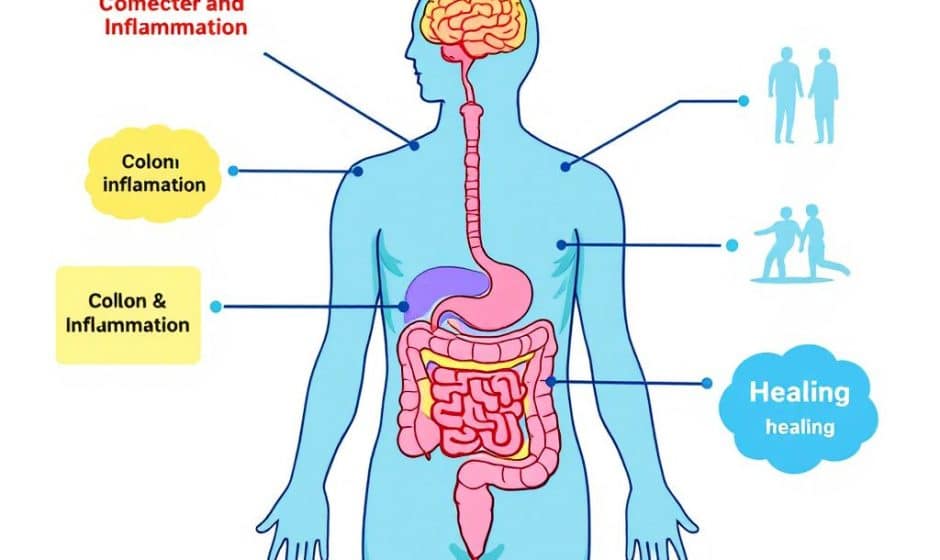

You know that feeling when your gut’s trying to send you an urgent message, and all you’re equipped with is a sorry attempt to decipher it? Yeah, anyone who’s dealt with digestive issues gets it. It’s like deciphering an alien language, but your body’s just trying to tell you something isn’t right. One of those confusing messages might be related to ulcerative colitis (UC), a chronic condition doing its best impression of a misunderstood artist.
What is Ulcerative Colitis?
Picture this: Ulcerative colitis – it’s inflammatory, it’s boundary-pushing, and it solely targets your colon. It’s a bit of a drama queen, flaring up and calming down whenever it pleases. For anybody living with it, ulcerative colitis is like that annoying roommate who doesn’t quite know how to chill. The inflammation it causes, leading to ulcers in the lining of the colon, can seriously cramp your style with symptoms ranging from abdominal pain and diarrhea to urgent bowel movements and fatigue.
Hormone Regulation and Your Gut
Alright, let’s dive into how hormone regulation ties into all this. Our bodies are these interconnected ecosystems where a hiccup in one area can ripple out in all sorts of unexpected ways. Hormones – those tiny chemical messengers – play puppet master, orchestrating myriad processes like digestion, mood, sleep, and yes, even inflammation. The gut isn’t at the mercy of hormones without good reason. A significant player here is cortisol, the stress hormone, which can spike inflammation throughout the body, including the delicate tissues lining your colon.
Ever notice your symptoms acting up during a particularly stressful time? It’s not just a coincidence. Managing stress through hormone regulation becomes crucial. Engaging in stress-reduction techniques isn’t just a nice-to-have; it’s essential for colitis management. Mindfulness, yoga, or even simple things manag daily nature walk can help keep those cortisol levels from skyrocketing, making life a bit more manageable when dealing with UC.
Listen To Your Gut – Literally
Our gut is a second brain, and you know, it loves to communicate! Symptoms are its language. With UC, this means tracking how your gut reacts to different foods, stressors, and medications can be your secret weapon for better colitis management.
Food Logs and Diet: Friends of Hormone Regulation

Step one to understand the chaos? Keep a food log. Track what you eat and notice how your body responds. Could it be that third cup of coffee or that spicy taco throwing your hormones out of whack? Diet is a cornerstone in managing UC because certain foods can trigger flares, while others can actually help ease inflammation.
Aim for a diet rich in anti-inflammatory foods: think oily fish loaded with omega-3s, leafy greens packed with antioxidants, and fiber-laden fruits like apples and pears. However, everyone is different, and what’s gold for one might be gut-wrecking for another. That’s why understanding your personal triggers can work wonders for maintaining a balanced state and aiding in hormone regulation.
Foods to Avoid
Unfortuntely, it’s not all apples and pears. There’s a laundry list of potential gut disruptors that folks with UC are often warned about. Here’s a quick rundown on what to potentially sideline:
- Caffeine: This might rev you up in the morning, but caffeine can also rev up your gut, causing diarrhea and discomfort.
- Dairy: Some struggle with lactose, the sugar in milk, which can aggravate symptoms.
- Alcohol: Not very gut-friendly. It can irritate the lining of your intestines.
- Processed Foods: Convenience comes at a price – these often contain additives that could irritate your bowel.
By gradually eliminating and reintroducing foods while noting the effects they have on your gut, you can piece together the elements of your ideal diet puzzle.
Colitis Management the Natural Way
It’s time to embrace what nature has in store for colitis management. And by nature, I mean lifestyle choices you’re already familiar with, just tailored towards easing UC.
Exercise: The Natural Mood and Hormone Elevator
Exercise – we hear it all the time, but let’s approach it from a gut-hormone angle. Regular, moderate exercise can ease symptoms of ulcerative colitis, primarily because it promotes overall hormone regulation, leading to reduced inflammation. Endorphins (those feel-good hormones) released during exercise act as natural pain relief and help balance out cortisol. They’re hormone balancers and mood lifters – what’s not to love?

Find what you enjoy, be it swimming, cycling, yoga, or even just a brisk daily walk. This isn’t about training for a marathon but about consistency.
Medication: Your Strength Partner
Sometimes, for all the yoga and food logs, UC needs a bit more of a direct approach. Medications, from aminosalicylates to corticosteroids and immunosuppressants, are significant players in managing this condition. They’re like team players: necessary strategic supports that work alongside diet and lifestyle changes.
**Remember this caveat**: medications have to be managed carefully and are often used over long periods. Consult your doctor for personalized advice.
Stress Management: Serotonin, Compassion, and the Nervous System
Let’s get back to the stress and hormone conversation. Tension increases cortisol which can exacerbate colitis symptoms, wreaking havoc on your day-to-day. Adopting stress management techniques can offer true respite and help manage hormone regulation effectively.
Techniques Worth Trying:
- Mindfulness Meditation: Pretty much everyone who has dipped their toe into self-care has heard of this. Here, you’re committing to staying present, noticing your thoughts without judgment. It’s like an exercise program for your mind.
- Deep Breathing: When anxiety peaks and your gut follows suit, start with deep, calming breaths.
- Progressive Muscle Relaxation: Consciously tighten and then release each muscle group. You’ll feel the tension melt away and hormones steadying.
Each of these isn’t just woo-woo magic; it’s science! Many find a noticeable reduction in flare-ups, directly benefiting colitis management. Remember, stress is sneaky, deeply engrained into daily routines. Uncover it and manage it daily, just like you’d water a plant.
Intestinal Health, Microbiota: The Unseen Allies

The gut’s world is a bustling metropolis of activities, packed to the brim with bacterial visitors called microbiota. These little guys are pivotal for good digestion and immune function, and they live harmoniously within the gut ecosystem. In people with UC, the balance between good and bad bacteria can be a bit chaotic.
Healing with Probiotics
Probiotics help replenish the good bacteria that maintain our internally burgeoning harmony. Incorporating foods rich in probiotics like yogurt (easy on the diary part though if that’s an issue), kimchi, sauerkraut, and kefir into your diet supports and sustains good bacteria in your gut flora. If food doesn’t cut it, high-quality probiotic supplements are an option worth considering.
Navigating the Choppy Waters of Ulcerative Colitis: Table It!
Here’s a nifty little list to keep it simple:

| **Action Item** | **Purpose** | **Remember** |
|---|---|---|
| **Track Foods** | Identify dietary triggers | Pay attention to repeats and patterns |
| **Exercise Moderately** | Balance hormones, reduce stress | Consistency matters |
| **Ingest Anti-Inflammatory Foods** | Incorporate healing foods to soothe the gut | Listen to your body’s feedback |
| **Adopt Stress Management Tricks** | Reduce stress to support well-being | Different strokes for different folks |
| **Consult with Healthcare Experts** | Access well-rounded medical strategies | Communicate regularly with your caregivers |
Circle Back to Yourself
Ultimately, in managing ulcerative colitis, understanding your body’s nuanced needs within gut and hormone dynamics becomes your strongest asset. Trial and error, a bit of unintentional comedy (café slip-ups, oh boy), and keeping your ears open to advice – they form this personalized guide of yours during the journey.
Think of your journey navigating UC as baking a complicated cake. Sometimes it’ll look more like a pancake, but that’s okay. Toss in some hormones, sprinkle a little mindfulness, and turn up the self-compassion dial. It’s less about perfection and more about creating a life you thrive in.
In conclusion, every person’s colitis management strategy can and should vary. Tailor it as personally as wardrobe choices. Taking the scenic route can feel daunting, but give commitment, time, clarity on expectations, and patience a chance. Trust this process, friends, your gut will whisper “thank you”.
Frequently Asked Questions
What causes a hormonal imbalance?
A hormonal imbalance can be caused by natural changes or stages in life, including puberty, pregnancy, perimenopause, and menopause. Other factors such as genetics, aging, increased daily stress, poor nutrition, and lack of proper activity and fitness can also contribute to hormonal imbalances[3][5].
What are the signs and symptoms of a hormonal imbalance?
Signs and symptoms of a hormonal imbalance include irritability and fatigue, mood swings and depression, skin dryness and loss of elasticity, water retention and weight gain, osteoporosis and joint pain, less interest in sex, insomnia and other sleep disorders, and memory issues and difficulty concentrating[3][5].
How can hormone replacement therapy help with hormonal imbalance?
Hormone replacement therapy can help by restoring stable hormone levels, leading to improved sleep, increased energy, enhanced memory, better mood stability, smoother skin, increased interest in sex, better weight regulation, and joint and bone protection. It can be tailored to individual needs and may include bioidentical hormone replacement therapy, which has a structure identical to human hormones[1][3][5].
What foods can help with hormone regulation?
Certain foods can help with hormone regulation. These include clean proteins like nuts, beans, and lentils; lean proteins such as organic pasture-raised chicken, sardines, and salmon; healthy fats like coconut oil; and leafy vegetables rich in antioxidants, such as broccoli, spinach, and asparagus[4].
References