
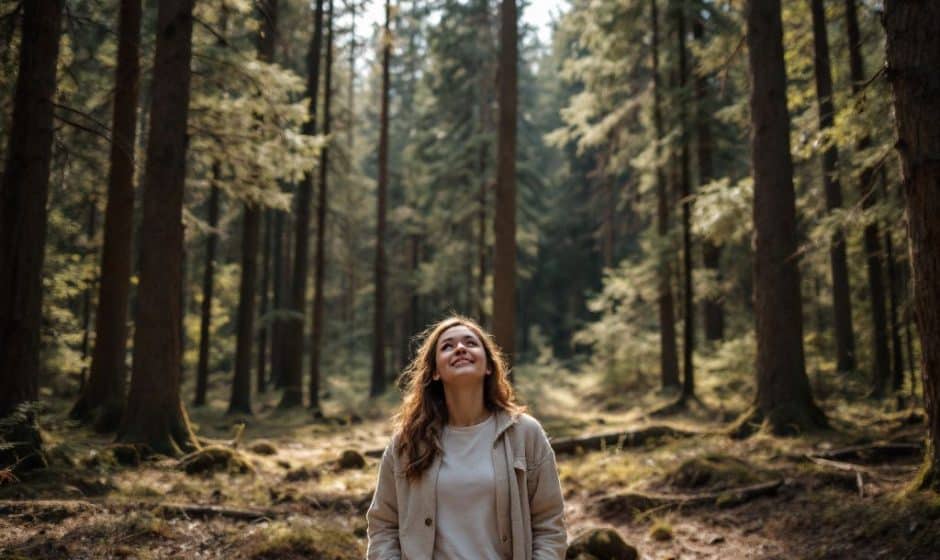

Hey there! Have you ever felt stressed out by the relentless pace of modern life? Believe me, you’re not alone in this. We’re all juggling responsibilities and dealing with too many notifications, reminders, and alerts lighting up our screens all day. It’s no wonder we long for something more natural, something to bring us back to our roots. What if I told you there’s a way to revive your senses and enhance your mental well-being by simply stepping into a forest? Yep, it’s called forest bathing, and it’s an experience that can profoundly impact our hormone regulation and overall health. Let me walk you through this unique journey.
What Exactly is Forest Bathing?
Forest bathing, or “Shinrin-yoku” as coined in Japan, isn’t about literally washing yourself in a forest stream! It’s the practice of immersing yourself in nature—no soap needed. You take in the forest atmosphere, letting its sensations wash over you. It’s as simple as wandering a tree-lined path with a mindful focus, connecting with the texture of bark, the rustle of leaves, and the earthy smells surrounding you.
The Roots of Forest Bathing
This practice has deep roots (pun totally intended) back in the 1980s in Japan. As technology advanced and urban life accelerated, people started experiencing what seemed to be an epidemic of mental health issues. Shinrin-yoku emerged as a natural antidote. People began participating to escape their hectic lifestyles and find a balance largely attributed to the powerful effects forests can have on hormone regulation.
So, How Does Forest Bathing Work Its Magic?
Hormone Regulation and Nature’s Symphony
Now, you might be thinking, “Okay, a walk in the woods. We’ve all done it. What’s the big deal?” Here’s the thing: forest environments engage a complex relationship between our hormones such as cortisol—which is related to stress. When you spend mindful, meditative time surrounded by trees, your body kicks into a state that regulates these hormones for improved balance and wellness. Trust me, that’s not something we get from staring at our screens.
Less Stress, More Bliss

When you consistently spend time in nature, something magical happens. Scientific studies have shown that exposure to the natural elements of a forest can significantly lower cortisol levels. Let’s face it, lower stress levels enhance mental clarity and emotional health. Plus, it decreases anxiety and boosts those feel-good hormones like serotonin and dopamine.
Other Benefits of Forest Bathing
Alongside brilliant hormone regulation, forest wellness improves physical health by reducing blood pressure, lowering heart rate, and strengthening the immune system. And just a friendly reminder, mental wellness shouldn’t entirely discount physical health—they walk hand in hand like an old couple in a beautiful grove of trees.
Let Yourself Grow
Just like trees absorb and turn sunlight into energy, so can we absorb the goodness from our leafy surroundings. Regular forest bathing can increase your overall creativity and focus, simply because of the stress-reducing environment and freedom it encourages. Let’s face it, there’s just something liberating about letting the organic creativity of nature enhance your own ideas and thoughts.
Your Step-by-Step Guide to Forest Bathing
Alright, so you’re on board and ready to dive into the serene art of forest bathing. Here’s how to get started and truly make the most of your time surrounded by nature. Remember, the journey is personal, so adapt these steps to fit your comfort level.
Step 1: Find Your Perfect Spot
The ideal forest isn’t necessarily a vast woodland miles away. If you’re someone who doesn’t have access to sprawling wilderness, a nearby park with plenty of trees works just as well. Pick a place where you feel comfortable and safe.
Step 2: Ditch the Devices
Yep, that means no phones and, if you can muster it, no cameras. Allow yourself a break from the very thing that likely intensifies daily stress. This is about disconnecting to reconnect with yourself.

Step 3: Slow Down and Engage Your Senses
When you step into that forest, hit pause on the go-go-go mindset. Walk slowly and take deep breaths, paying attention to everything around you: the chatter of birds, wind dancing through leaves, and the crunch of earth beneath your feet.
Step 4: Observe Without Judgment
Try to adopt a sense of mindfulness. Notice the details—a strangely patterned leaf, a robust, towering tree. Avoid showering them with critique or assumptions, just be open to experiencing these wonders with a child’s curiosity.
Step 5: Breathe Deeply
Focus on your breath. Take long, intentional breaths and let that fresh, healing forest air flood your senses. Almost like breathing out the bad and breathing in the new.
Making It a Routine
It’s not all about one forest visit. If you want truly sustained changes in hormone regulation and peace of mind, make forest bathing a cherished routine. Even if it’s once a week, this simple practice can ground you in profound ways.
“Give it a try and let the transformative power work its magic on your mind and body.”
Rain or Shine?
Forest bathing isn’t just a sunny day activity. Trekking under old drizzled canopies with the patter of rain above can be just as invigorating, enhancing those earthy forest smells and offering an entirely different sensory experience.

Bringing the Forest Home
Now, sometimes life gets in the way or ever-changing weather doesn’t work with our plans.
- Houseplants: Consider adding a bit of green to your living space. Many houseplants are great for air purification and bring a piece of the outdoors, indoors.
- Scent Elements: Essential oils like pine, cedar, or sandalwood can evoke the earthy smells of the forest.
Sharing the Grounds of Forest Bathing: Engage with Your Community
Maybe you’ve shared the joys of forest bathing with friends but getting them to join? Different story. Try introducing them through shared experiences. Local forest group outings or community workshops can be a great bonding experience while encouraging others to notice profound benefits on hormone regulation and happiness in familiar and uninhibited ways.
A Natural Feedback Loop

Forests recharge and center us. By participating in forest bathing, we naturally contribute a sense of harmony back to the environment. Many find this experience leads to a greater appreciation and advocacy for nature conservation. But beyond caring for nature, it’s also about caring for ourselves. Forest wellness is holistic, and into this, we step, folks.
In Conclusion: Embrace the Trees!
So there you have it: an open invitation to explore forest bathing for yourself. The relationship between humanity and nature is time-honored and vital to both physical and mental wellness. Hormone regulation isn’t just tech-fiddling or pharmaceutical science. Sometimes it’s precisely from nature we find a simpler, more direct line to recalibrating our stress-filled lives.
Seriously, reconnecting with nature can offer you a fresh perspective. Live nearby woods? Plan a short wander this weekend. Find joy in the endless wonders of trees and perhaps rediscover a side of yourself you didn’t know you’d misplaced along the way. Embrace the calm, the earth underfoot, and, who knows? You might just want to make a habit out of it!
After all, giving a moment to nature is giving a moment back to yourself. Trust me, the trees won’t mind if you lean on them for a while.
Frequently Asked Questions
What causes a hormonal imbalance?
A hormonal imbalance can be caused by natural changes or stages in your life, including puberty, pregnancy, perimenopause, and menopause. Other causes include partial or full hysterectomy, tumors, adenomas, and autoimmune diseases that affect the endocrine glands[3][5].
How does hormone replacement therapy (HRT) work for hormone regulation?
Hormone replacement therapy works by topping up or replacing missing hormones. During perimenopause and menopause, levels of oestradiol, progesterone, and sometimes testosterone decline. HRT involves prescribing these hormones to improve symptoms and future health, often in the form of patches, gels, sprays, or pills[1][3].
What are the common symptoms of a hormonal imbalance?
Common symptoms include irritability and fatigue, mood swings and depression, skin dryness and loss of elasticity, water retention and weight gain, osteoporosis and joint pain, less interest in sex, insomnia, and other sleep disorders, as well as memory issues and difficulty concentrating[3][5].
What are the different types of hormone therapy available for hormone regulation?
Hormone therapy includes systemic hormone therapy (in pill form, patches, rings, gel, cream, or spray), low-dose vaginal products (cream, tablet, or ring forms), and bio-identical hormone replacement therapy, which is identical in structure to human hormones and may have fewer side effects[1][3].
References