

Embarking on a journey to explore the emotional labyrinth of the menstrual cycle can be a deeply personal yet universally shared experience. It’s a voyage that many embark on not just alone, but also in the company of countless others who have walked the same path. For years, understanding the emotional cadence linked to the menstrual cycle has been more of an individual pursuit, rather than being rooted in collective wisdom shared openly in communities. With this guide, we’ll explore how the menstrual cycle influences emotional states, supported by real-world insights and expert-backed explanations.
Journey Through Emotions: A Deep Dive into the Menstrual Cycle
The menstrual cycle is not just a series of physical changes; it is a dance of emotions orchestrated by fluctuating hormones. This dance is unique to each person, yet it follows a general sequence that can be traced back to hormonal activity. 🚺 Let’s unpack this journey stage by stage.
1. Understanding the Menstrual Cycle: A Primer
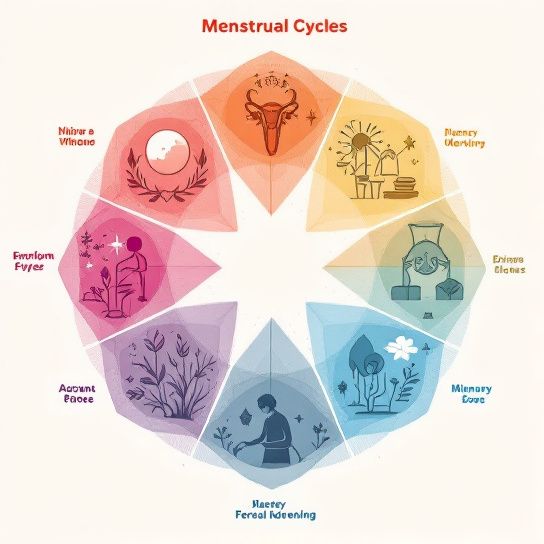
To comprehend the emotional impact, it’s vital to first understand the menstrual cycle’s phases:
- Menstrual Phase (Days 1-5): Marked by bleeding, this is often a time of low energy due to dropping estrogen and progesterone levels. Emotionally, many experience a dip in mood or an increase in irritability.
- Follicular Phase (Days 6-14): Characterized by rising estrogen levels as the body prepares for ovulation. This can correspond with improved mood and increased vitality—often considered a time of increased emotional balance and clarity.
- Ovulation (Day 14): Estrogen peaks and for some, so does confidence and sociability. Yet, it can also bring anxiety due to heightened emotional sensitivity.
- Luteal Phase (Days 15-28): As progesterone rises, it prepares the uterus for a potential pregnancy, but can also lead to emotional turbulence. Symptoms before period, such as mood swings, anxiety, and irritability, are common. 🍫
2. The Role of Hormones: Orchestrators of Emotion
From an emotional perspective, hormones like estrogen, progesterone, and testosterone play pivotal roles:
- Estrogen: Dubbed the “feel-good” hormone, it helps boost serotonin, enhancing mood and boosting optimism. A surge typically results in energy and vitality, but its decline can coincide with mood dips.
- Progesterone: Known for its calming effects, it can also act as a sedative, explaining increased fatigue and mood swings as levels rise pre-menstruation.
- Testosterone: While often associated with male traits, it’s crucial for maintaining energy levels and mood stabilization in females, especially during and after ovulation.
3. Navigating Emotional Peaks and Valleys
Acknowledging the emotional fluctuations associated with the menstrual cycle helps in preparing and coping. Here’s how:
- During Menstrual Phase: Prioritize self-care. Embrace restful activities like yoga and mediation which can help in anchoring emotions. Understanding that irritability is physiological, not personal, makes a world of difference.🧘♀️
- During Follicular Phase: Harness the boost in energy and mood. Engage in social activities or take on projects that require creativity and focus. It’s an opportune time to capitalize on a naturally optimistic disposition.
- During Luteal Phase: Preempt anxiety and mood swings by cultivating mindfulness practices. Journaling about feelings or indulging in gentle exercises like swimming can mitigate emotional strain. Avoid overcommitting, understanding that this time requires more internal reflection. 📔
Real-World Scenario
Consider Jane, a marketing professional, who noticed her peak productivity often aligned with her follicular phase. By tracking her menstrual cycle alongside her workload, she found a rhythm that maximized her potential and minimized stress. Her story is not unique but highlights the potential in harnessing cycle awareness both personally and professionally.
4. Common Mistakes and Misunderstandings
Understanding commonly overlooked aspects can demystify many preconceptions:
- Ignoring Dietary and Lifestyle Impacts: What you consume affects not just your body but your mind. Incorporating omega-3s and magnesium-rich foods can influentially stabilize moods.
- Mislabeling Emotions: Assigning emotional changes strictly to “irrationality of the period” rather than recognizing them as part of a hormonal influence fosters improved self-awareness and internal support systems.
5. Community Insights and Emotional Support Systems
Navigating the emotional landscape of the menstrual cycle can feel overwhelming, yet we’re not alone. Harnessing community insights provides a valuable anchor:
- Peer Support Groups: Many find comfort and practical advice in joining groups either locally or online where experiences of menstrual cycles are shared, and insights taught.
- Family and Partners’ Role: Educating close ones about the emotional side effects of the menstrual cycle fosters understanding and patience, buffering emotional strain.
—
Expert Tip 💡
**Dr. Elena Moylan, a gynecologist and author:** “Women often overlook talking openly about their cycles with partners or family. Transparent discussions can dismantle misconceptions and garner support that’s instrumental during emotionally turbulent times.”
—
6. Tools and Practices for Emotional Management
Here’s how you can build and maintain an emotional sanctuary throughout your menstrual cycle:
- Tracking Apps: Applications like “Clue” or “Flo” are popular for their detailed tracking features which analyze patterns and predict mood shifts.
- Emotional Journaling: Write regularly about your emotional state. Observing patterns in conjunction with cycle data illuminates recurring themes and instigates a tailored approach to handling emotions.
7. Debunking Myths: Science-Based Understandings
Many myths distort perceptions about periods and emotions. Here are a few truths backed by research:
- Myth of Unchangeability: Some believe emotions tied to menstrual cycles are a fixed destiny. Science reveals practices such as consistent exercise and mindfulness can play substantial roles in reducing PMS symptoms.
- PMS as a Catch-All Blame: While PMS is indeed a recognized set of symptoms, not all emotional disruptions experienced may directly correlate. Consciously discerning external stressors versus hormonal ones sharpens emotional regulation.
8. Looking Ahead: Towards a Holistic Understanding

The journey through understanding the emotional aspects of the menstrual cycle is ongoing and deeply entwined with personal and shared human experiences. Each person’s cycle is unique, shaped intrinsically by their biology but also by societal influences, genetics, and lifestyle choices.
By weaving together personal exploration with community insights, one can foster an environment for genuine emotional support and mutual growth. This intimate relationship with oneself doesn’t merely enhance menstrual awareness—it champions empowerment and cultivates a supportive space for others to tread a similar path.
As you traverse the emotional corridors of the menstrual cycle, remember that understanding its impacts—and rising above challenges—enriches not just personal well-being, but contributes meaningfully to communal empathy and collective enlightenment. 🌟
—
In sum, exploring the emotional intricacies of the menstrual cycle necessitates a voyage characterized by awareness and empathy—grounding personal experiences in shared stories, scientific facts, and cooperative connectivity. Readers leaving this guide should feel equipped to approach their menstrual cycles with refined understanding and actionable strategies to improve their emotional well-being.
Frequently Asked Questions
What are the benefits of using a hair mask in my hair care routine?
Using a hair mask can provide several benefits, including hydration, smoothing, strengthening, curl definition, heat protection, and damage repair. Hair masks infuse the hair with moisture, help coat the hair shaft to seal split ends, reduce breakage, and protect the hair from heat styling and environmental damage[1][4].
What ingredients should I look for in a hair mask?
Effective hair masks often include ingredients such as coconut oil, argan oil, shea butter, honey, avocado oil, green tea, and coconut water. These ingredients provide nourishment, moisturize, and protect the hair, offering benefits like softening, moisturizing, and protecting against damage[2][5].
How often should I use a hair mask in my routine?
You should use a hair mask whenever your hair feels dry, unmanageable, or in need of intense hydration. This can vary depending on your hair type and needs, but generally, using a hair mask once or twice a week can help maintain healthy and moisturized hair[1][4].
How do I apply a hair mask for the best results?
To apply a hair mask effectively, shampoo your hair first, then apply the mask, focusing especially on the ends where hair tends to be the most damaged. Leave the mask on for anywhere from 10 minutes to overnight, depending on the type of mask and your hair’s needs[1][4].
References