

Fatigue that won’t go away. Breakouts that feel like high school all over again. Mood swings that hit out of nowhere.
If these sound familiar, your hormones could be sending you a message.
Hormonal imbalances are incredibly common among women — yet they’re often overlooked or misdiagnosed. From puberty to menopause, your hormones are constantly shifting. But when that delicate balance is disrupted, it can impact everything from your energy to your skin to your emotional well-being.
In this guide, we’ll break down 7 key signs your hormones might be out of sync, when to take action, and how to get the support you need to feel like yourself again.
Hormonal Fluctuations vs. Imbalances: What’s the Difference?
It’s normal for hormone levels to rise and fall during your cycle or life stages like pregnancy and menopause. But when symptoms become persistent, disruptive, or extreme, it may signal something more serious.
Normal fluctuations are:
- Temporary
- Linked to known events (e.g., ovulation, PMS)
- Mild and manageable
Hormonal imbalances are:
- Ongoing
- Unexplained
- Interfering with daily life
The 7 Warning Signs of Hormonal Imbalance
1. Persistent Fatigue (Even After Rest)

If you’re sleeping 7–9 hours but still feel exhausted, your thyroid or cortisol levels might be out of whack. Fatigue that doesn’t improve with rest is a hallmark of adrenal or thyroid imbalances.
2. Unexplained Weight Gain or Inability to Lose Weight
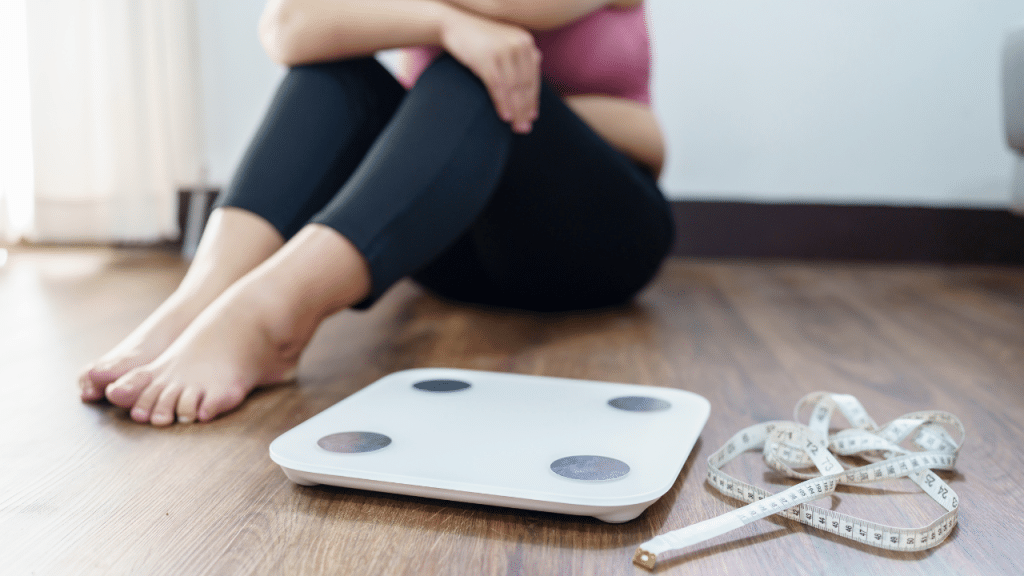
Struggling with your weight despite healthy habits? Hormones like insulin, thyroid, or estrogen may be interfering with your metabolism and fat storage.
3. Irregular or Missed Periods
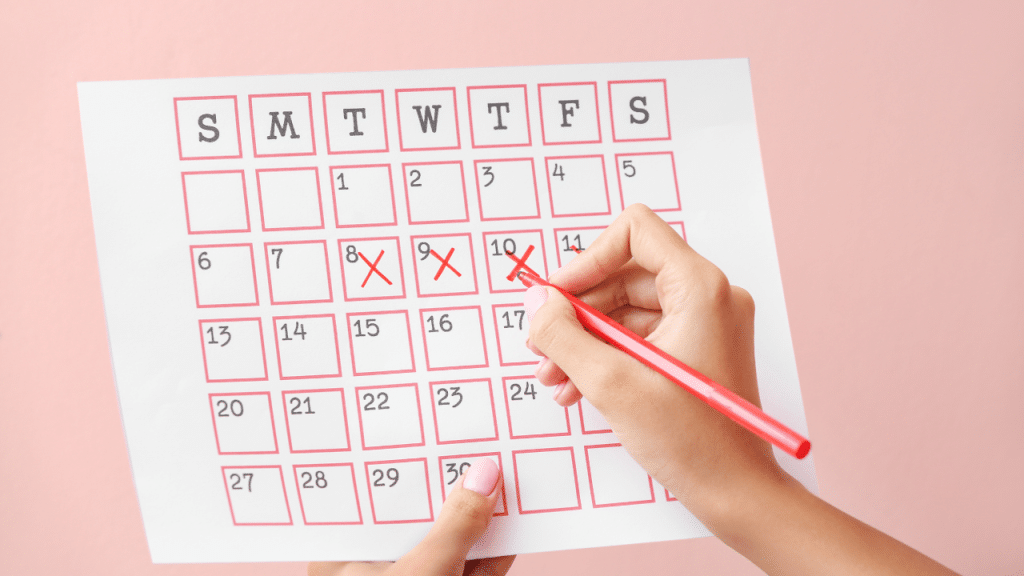
A consistent cycle is a sign of hormonal health. Irregular, missing, or extremely heavy periods can point to imbalances in progesterone, estrogen, or testosterone. Conditions like PCOS or perimenopause are often behind irregular menstruation.
4. Mood Swings, Anxiety, or Depression
Sharp mood changes — especially when unrelated to stress or external factors — could indicate dips in serotonin, cortisol, or estrogen. Hormonal mood disorders are very real and treatable.
5. Hair Loss or Excess Hair Growth in Unusual Areas
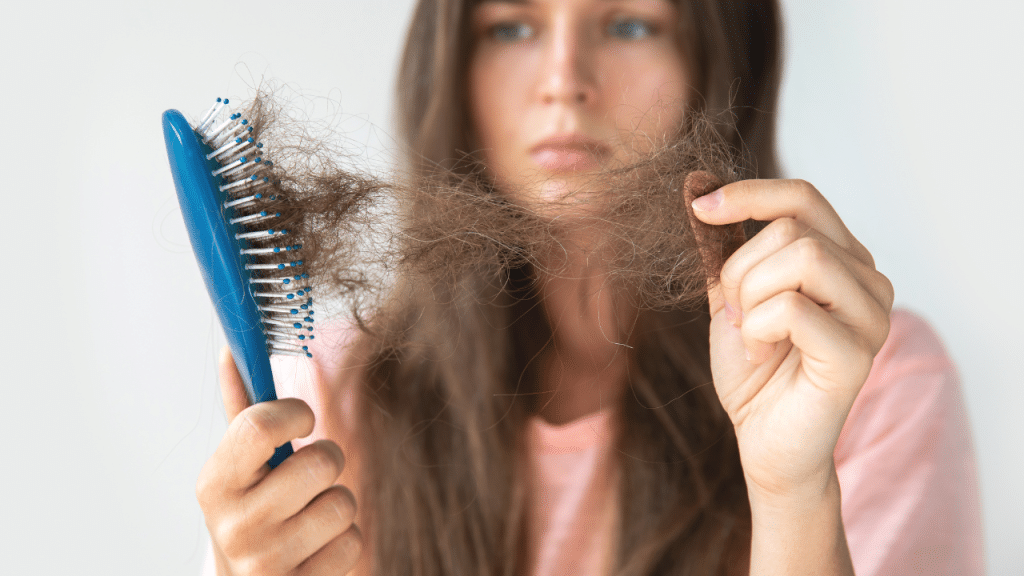
Hair thinning on the scalp or new hair on your face, chest, or abdomen may be a sign of elevated androgens, often linked to PCOS or adrenal issues.
6. Skin Changes (Acne, Dryness, Pigmentation)
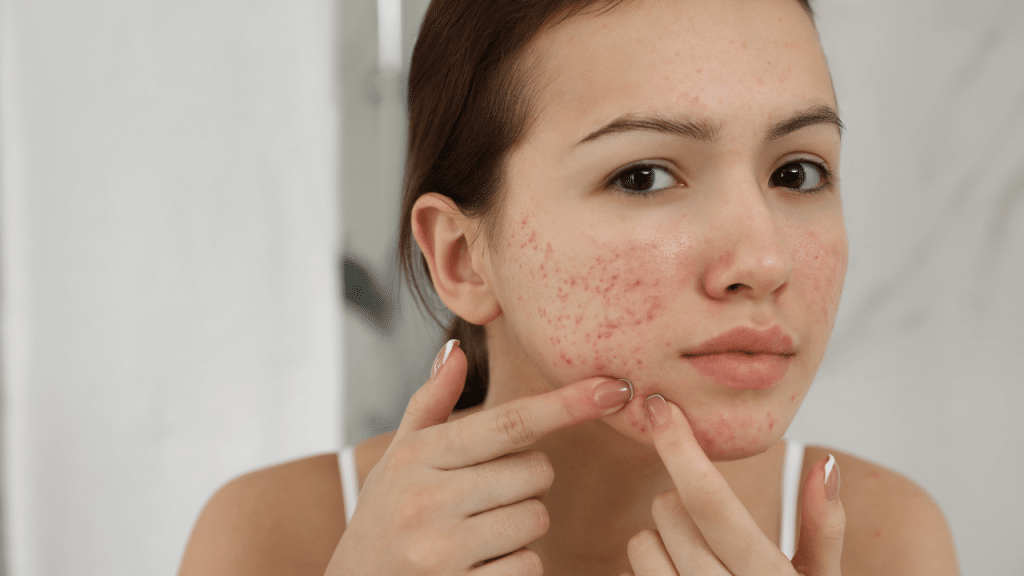
If your skin suddenly becomes acne-prone, dry, or develops dark patches (like melasma), it may be reacting to estrogen, cortisol, or insulin imbalances.
7. Sleep Disturbances & Insomnia
Difficulty falling or staying asleep could stem from disrupted melatonin, progesterone, or cortisol rhythms — especially in perimenopause or chronic stress situations.
Hormones at Every Life Stage
Each phase of life brings its own hormonal shifts. Here’s how they typically show up:
- Teens: Acne, mood swings, irregular periods
- Reproductive Years: PMS, fertility issues, menstrual irregularities
- Perimenopause (35–50): Hot flashes, insomnia, anxiety, cycle changes
- Menopause (50+): Dry skin, low libido, thinning hair, memory lapses
Understanding your life stage helps tailor both evaluation and treatment.
📝 Quick Self-Assessment Quiz
Answer YES or NO to the following:
- Do you feel tired most days, even after sleeping well?
- Have you noticed changes in your weight without changing your diet?
- Are your periods irregular or different than they used to be?
- Do you experience frequent mood swings, anxiety, or sadness?
- Have you seen changes in your hair or skin?
- Is it harder to fall or stay asleep than it used to be?
- Have you experienced low libido or vaginal dryness?
✅ 3 or more YES answers may indicate a hormone imbalance worth discussing with your doctor.
Red Flag Symptoms: When to See a Doctor Immediately

Don’t wait if you experience:
- Sudden, severe fatigue
- Rapid weight gain or loss
- Missed periods for more than 3 months
- Depression or anxiety affecting daily function
- Hair loss in clumps
- Abnormal facial hair growth
- Intense hot flashes or night sweats
What to Expect at a Hormone Evaluation
At your visit, your provider may:
- Take a detailed health and symptom history
- Order blood, saliva, or urine tests to measure hormone levels
- Ask about your diet, stress, sleep, and menstrual cycle
- Recommend further testing if thyroid or reproductive disorders are suspected
Common Hormone Tests You Might Need
| Hormone/Test | What It Reveals |
|---|---|
| TSH, T3, T4 | Thyroid function |
| Estradiol, Progesterone | Reproductive hormone levels |
| FSH, LH | Menopause or cycle phase |
| Cortisol | Stress/adrenal balance |
| Testosterone, DHEA | Androgen levels (PCOS, libido, hair issues) |
| Insulin & A1C | Blood sugar and metabolic balance |
Treatment Options: Lifestyle vs. Medical
🧘 Lifestyle Changes
- Stress reduction (yoga, mindfulness, sleep hygiene)
- Anti-inflammatory diet
- Hormone-supportive supplements (e.g., magnesium, omega-3s, adaptogens)
- Regular, moderate exercise
💊 Medical Interventions
- Hormone Replacement Therapy (HRT)
- Thyroid medications
- Insulin-sensitizing drugs
- Birth control pills (for cycle regulation or PCOS)
Your treatment should be based on test results and tailored to your life stage.
Real Women, Real Stories
“I thought my exhaustion was just from being a mom, but it turned out to be thyroid-related. Once I got help, everything changed.” – Melissa, 42
“I ignored my acne and irregular periods for years. A hormone test finally explained everything — I wasn’t just ‘being dramatic.’” – Lena, 29
Action Steps: Preparing for Your Doctor’s Visit
- Keep a symptom journal for 2–4 weeks
- Note your menstrual cycle patterns, sleep, and energy levels
- Bring a list of all supplements and medications
- Write down your top 3 concerns or symptoms
- Ask for a hormone panel and express how symptoms are affecting your life
Conclusion
Your hormones control more than just your period — they impact your mood, skin, energy, sleep, and more.
If you’re feeling “off” and can’t explain why, it’s worth checking your hormone health. Don’t let anyone dismiss your symptoms — you deserve answers and support.
Listen to your body. Advocate for your wellness. And don’t wait to get help.
FAQs: Hormonal Imbalance in Women
Q: Can stress really mess with my hormones?
A: Yes! Chronic stress elevates cortisol, which can throw off estrogen, progesterone, and thyroid hormones.
Q: How often should I get my hormones tested?
A: If you have ongoing symptoms, yearly testing or testing every 6–12 months may be helpful.
Q: Is hormone replacement therapy safe?
A: For many women, yes — especially when monitored closely by a doctor. It depends on your age, health history, and symptoms.
Q: Can hormonal imbalance affect fertility?
A: Absolutely. Irregular periods, ovulation issues, or PCOS are often hormone-related and can impact conception.
Explore more expert-backed guides on hormone and skin health at HormoneHealthQueen.com
Follow us on social media for daily hormone insights and real women’s stories