
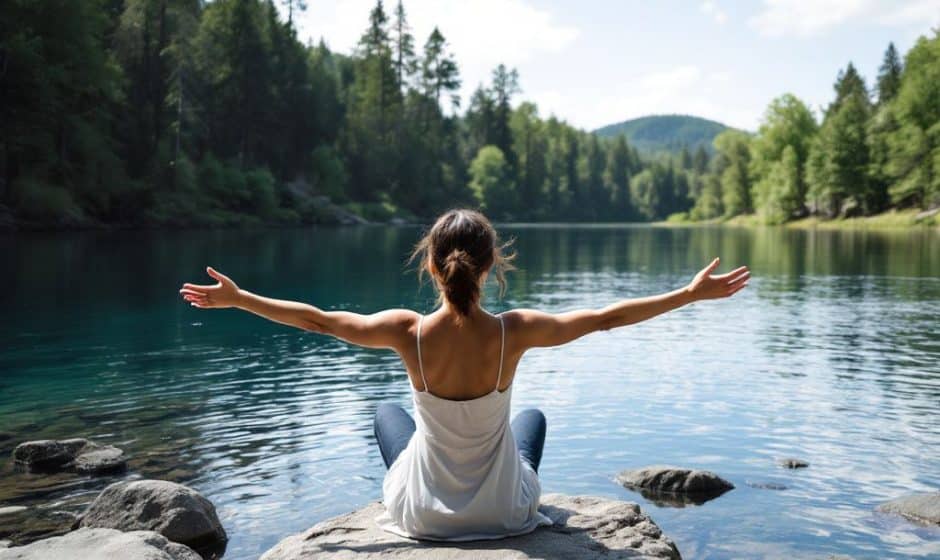

Hey there, ever find yourself standing at the edge of a river, totally mesmerized by the shimmering water and its soothing sounds? It’s like the world suddenly stops spinning and the universe hits the mute button on life’s chaos. This magical moment isn’t just in your head; it’s called River Therapy, specifically Flow Therapy, and it’s an amazing way to find peace and balance in your life.
Many of us are constantly searching for ways to regulate those crazy hormone levels contributing to stress, anxiety, and a whole bunch of other mood-altering situations. Trust me, I’ve been there too! But guess what? Nature has some incredible tricks up its sleeve with river therapy. It’s about embracing the calming essence of flowing water to help your mind and body unite, allowing for a curious sort of serenity.
Why Flow Therapy Works
Let’s start with how flow therapy acts like a rescue operation for hormone regulation. Basically, hormone regulation is maintaining river, lis our body’s hormone levels which can often get all shaken up from everyday stresses. When you’re by the river, listening to the water, watching its rhythmic flow, your body starts responding. Your cortisol levels (that pesky stress hormone!) drop, and feel-good hormones like serotonin step in, lending a helping hand to lower your anxiety. Don’t just take my word for it—plenty of studies back up the soothing effects of natural water environments.
**Quick Thought:** Think of river therapy as that good friend who always knows how to calm you down when you’re about to lose it.
Embracing the Ripple Effect: Small Steps Toward Big Change
Jumping into river therapy doesn’t mean you gotta ship off to a remote location three hours away. Start simple and local. Here’s how you do it:
1. Find Your Sweet Spot
Look for local rivers or streams. Even if it’s just a tiny brook in a nearby park, any flowing water source can work wonders for river wellness. Keep it relaxed. No need to trek through the wilderness.

2. Set the Mood
Pack a comfy blanket, maybe a good read, and find a spot where you feel most in tune with the sounds of running water. Closing your eyes and focusing on breathing deeply also helps center your thoughts. No stress here.
3. Focus on Flow
As you sit there, allow yourself to become absorbed in the river’s flow. Notice the way the water coils over rocks or dances through reeds. This rhythmic engagement not only calms your mind but begins to regulate your nervous system.
4. Reflect and Meditate
I’ve found some of my best meditation moments right at the river’s edge. Let your thoughts flow like water; don’t fight them. This time allows emotional release which supports mental clarity. The more regularly you do this, the quicker you’ll start noticing the hormone regulation improvements.
5. Engage with All Senses
It’s not just about seeing and hearing. Dig your toes into the sand, touch the cool water with your fingers, breathe in that fresh water scent. It’s like supercharging your experience by fully engaging with your surroundings. The last bits of stress don’t stand a chance with these incredible sensory workouts.
The Inimitable Benefits of River Therapy
When you’re spending time alongside rivers, it’s not just about calming your nerves (although that’s pretty awesome, right?). There’s a long list of river wellness benefits that promote, not just mental, but physical and emotional growth as well.

Enhanced Mood and Mental Health
Consistent river time can straighten out those pesky mood swings. You’ll find yourself more resilient to stress. It’s all in the unique cocktail of neurotransmitters sparked by nature’s sights and sounds.
Physical Health Boosts
River therapy encourages easy, enjoyable exercise. A leisurely stroll by the water can complete your step goal without forcing it. Plus, being outdoors amps up your vitamin D levels which further supports balanced hormone regulation.
Engaging with Community
Many people using these serene spots build connections with each other. River wellness is often a community effort, involving group meditation or Tai Chi sessions by the river. There’s strength in sharing these experiences; they bridge human connection beyond our devices.
**Pro Tip:** Join community cleanups! It will enhance your relationship with river therapy, more than just receiving from nature but giving back as well.
Setbacks and Peeling Away Layers of Improvement
Sure, cynicism might sneak up, especially if you’ve been used to juggling life’s creative chaos indoors, but that’s where your river’s wisdom kicks in. It teaches patience, consistency, and acceptance that changes don’t happen overnight. Don’t be disheartened if the changes seem small; each positive shift signifies progress.
Deal with Specific Scenarios

- Weather Isn’t Ideal: Wind or rain doesn’t have to be a deal-breaker. Dress appropriately and embrace it—it might turn out magical. Ever tried sitting by the water wrapped in a cozy raincoat? Give this a try; you’ll understand.
- Crowds Overwhelm You: Timing shifts are your best bet. Mornings or late afternoons tend to gift more secluded moments, allowing for solitary meditation.
- Still Stressed in Nature: Sometimes this happens. Mix in light exercise or guided nature meditations to fully immerse yourself. Keep experimenting to discover your personal river therapy blend.
Keeping the Flow Beyond the Waters
So maybe you’re back in the city, away from your favorite river haven, but want to keep that zen alive? Channel it through simple daily routines.
- Mini-Meditations: Just a short pause to recollect that river tranquility—just close your eyes and breathe deeply for several minutes.

- Digital Nature Guides: There are numerous apps and music tracks replicating the sounds of flowing water, perfect for breaks amidst a hectic workday.
- Natural Decor in Your Space: Bring plants or small water features into your home to embed natural elements into your day-to-day experience painting nature’s harmony closer from within.
Conclusion: Embrace the River’s Knowledge
Finally, think about this: rivers are life’s seasoned philosophers. They are portraits of movement and change. River therapy harnesses their essence, carries you to a place of peace—and sometimes transformation. As your body’s architecture begins incorporating these balanced hormone levels, life beckons you to appreciate each moment a little brighter, connect a bit deeper. Don’t overthink it—go on and leap into this nature’s gift. Trust me, you’ll love finding yourself amidst nature’s easygoing rhythm.
So, next time your brain feels a bit scrambled, or life has you chasing comets, return to the river. Listen to the flow, bathe your senses—and just maybe, you’ll find that your search for wellness was right there in the rivers all along.
Frequently Asked Questions
What is hormone regulation and how does it affect the body?
Hormone regulation involves the balance and control of hormones in the body, which are chemical messengers that influence various bodily functions. Hormones such as oestradiol, progesterone, and testosterone play crucial roles in maintaining health, including regulating metabolism, sleep, mood, and reproductive functions[1][3][5).
What causes hormonal imbalances, and what are the symptoms?
Hormonal imbalances can be caused by natural life stages such as puberty, pregnancy, perimenopause, and menopause, as well as by medical conditions like tumors, autoimmune diseases, and damage to endocrine glands. Symptoms of hormonal imbalances include irritability, fatigue, mood swings, skin dryness, water retention, osteoporosis, joint pain, and changes in sleep and sexual interest[3][5][1).
How does hormone replacement therapy (HRT) help with hormonal imbalances?
Hormone replacement therapy (HRT) helps by restoring stable hormone levels in the body. HRT can improve symptoms such as sleep disturbances, energy levels, mood swings, skin health, and sexual interest. It also provides benefits like joint and bone protection and better weight regulation. HRT can be customized to individual needs and comes in various forms, including patches, gels, and oral medications[1][3][5).
What are the common types of hormone replacement therapy?
Common types of hormone replacement therapy include systemic hormone therapy (in pill form, patches, rings, gels, creams, or sprays), low-dose vaginal products (for vaginal and urinary symptoms), and bio-identical hormone replacement therapy (which mimics the structure of human hormones and may have fewer side effects). The choice of HRT depends on individual health needs and preferences[1][3][5).
References