

Finding out you’re going to be a parent is a moment like no other—exhilarating, terrifying, and joyous all at once. Yet, behind this defining episode lays the complex dance of hormones and the precision-timed act of taking pregnancy tests to confirm the big news. My journey, interspersed with technical understanding and personal anecdotes, hopefully, echoes the experiences of many but also unveils the lesser-known facets of this world. Join me as we demystify pregnancy hormone tests and explore the hormonal shifts that mark this profound milestone in a family’s life.
The Beginning: Navigating the Early Weeks with Pregnancy Hormone Tests
The Science Behind Pregnancy Hormone Tests
Pregnancy hormone tests, typically known as urine or blood hCG (human chorionic gonadotropin) tests, play a pivotal role in confirming pregnancy. hCG is the hormone that the placenta produces shortly after a fertilized egg attaches to the uterine lining. Its presence marks a successful conception, making it the cornerstone of any pregnancy confirmation test.
How Pregnancy Hormone Tests Work
The hCG hormone is detectable in a woman’s blood about 11-14 days following conception, while urine tests typically detect it after 12-15 days. Most home pregnancy tests offer approximately 90-99% accuracy when used correctly ⏤ mainly based on their ability to detect levels of around 20-50 mIU/mL (milli-international units per milliliter) in urine. Blood tests conducted in clinics can reveal even more precise results, identifying even minuscule amounts of this hormone in the blood.
🔹 **Technical Walkthrough:** To understand these tests better, it’s crucial to note how immunoassays such as lateral flow tests (a fancy term for that stick application) function. Labeled antibodies bind to hCG, causing a change detectable by the test strip, thus giving a positive or negative result. Their precision rests heavily on factors like the time taken after conception, user application, and, critically, the time of the day they’re used—mornings traditionally yield more concentrated hCG samples.
Common Misconceptions and What the Data Says
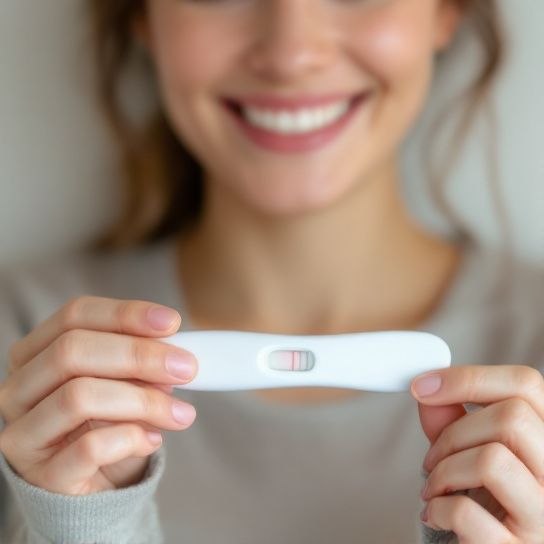
Most perceive a faint line as worrying or inconclusive. However, through personal and professional experiences, I have learned that any line, regardless of how faint, likely signifies pregnancy. Emerging research underscores this by showing that hCG levels can vary dramatically among women and still yield viable pregnancies[^1^].
Acting on Test Results: A Practical Guide
Upon confirming pregnancy through hormone tests, it’s crucial to proceed with a standardized pathway to ensure both maternal and fetal wellness. According to ACOG (American College of Obstetricians and Gynecologists), routine clinical follow-up should confirm pregnancy, calculate gestational age, and begin prenatal care.
Case Study: Quick Validation through Multiple Test Formats
Sarah, a hypothetical patient, used a urine-based pregnancy hormone test. After a faint positive result, she opted for a lab-based serum blood test the next day—confirmatory of an “expected” day’s hCG level near 35 mIU/mL. Medical professionals recommend this two-step approach to minimize the risk of false negatives or earlier-stage technicalities.
Hormones Unleashed: Surprising Facts About Hormones for Pregnancy
Decoding the Pregnancy Hormone Symphony
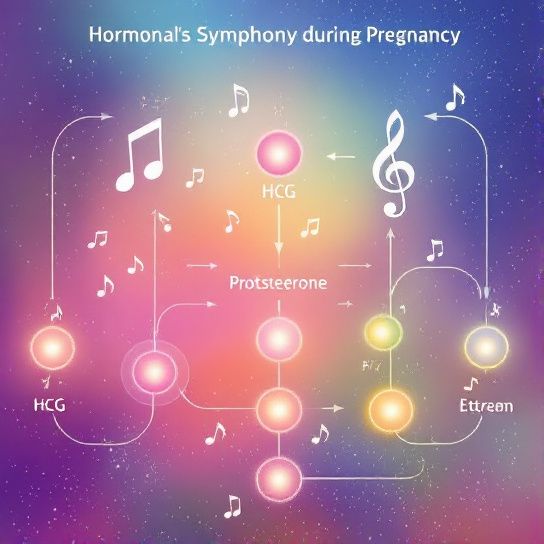
Once tests indicate pregnancy, an intricate hormonal symphony ensues. The top players include hCG, progesterone, and estrogen, each with defined roles:
- hCG – Beyond confirming pregnancy, it supports progesterone production until the placenta takes command in the second trimester.
- Progesterone – Key in nurturing the uterine environment, reducing uterine contractions, and promoting breast tissue development.
- Estrogen – Potentiates uterine growth, regulating vascular flow.
🌀 **Diagram:** Imagine these as musical notes in an orchestra, with rhythms progressively intensifying. Several hormones wax and wane, collectively sustaining pregnancy, balancing placental, and fetal needs.
The Oscillating Hormone Levels: What to Expect
According to the Pregnancy, Best-Kept Secret book, “Common hormonal surges in vogue include hCG, peaking between weeks nine to twelve, and progesterone sequentially building towards the third trimester.” A practical observation pattern through week-by-week hormonal evaluations often assuages anticipatory anxiety new mothers face.
**Table: Hormonal Ranges by Trimester** (Measured in ng/mL)
| Trimester | hCG Range | Progesterone Range | Estrogen (Estradiol) Range |
|---|---|---|---|
| First | 25-300k | 9-47 | Increasing steadily |
| Second | Declines | 17-146 | 39-230 |
| Third | Steady | 54-278 | 395-590 |
Hormone Fluctuations: Real-Life Impacts
Beyond the technicalities, let’s humanize this process:
Example Scenario: The Emotional Roller Coaster
Linda’s emotions reached new heights every trimester ⏤ spontaneous tears, inexplicable joy, flashes of anxiety. Far from exaggerations, her feelings underscored the powerful hormone interactions she navigated. Such experiences resonate across many expecting and demonstrate the affective charge hormones inflict.
Actionable Insights and Industry Standards
Best Practices for Hormone and Pregnancy Management

- Maintain Routine Clinical Visits: Regular prenatal checks balance emotional and physical health, reinforce medical guidance, and track fetal progress.
- Knowledge Enhancement: Parents like Linda benefited from Prenatal Relief institutes’ aids encompassing books, weekly updates, and a certified hot-seat for queries.
Revisiting Health Monitoring
Modern tech has amplified maternal intuitions—hormonal fluctuations checkable via applications emphasize safety-first measures. Lisa R., a friend following FitMom App, claimed, “Real insights kept unexpected reactions in control, fostering confidence.”
Professional Advice: Setting Standards
Health bodies like WHO, ACOG, and respective national agencies contribute by aligning guidelines standardizing tests, settling vital parameters globally:

- WHO upholds standard hCG measurement velocity benchmarks
- ACOG issues practice bulletins emphasizing total care integration & psychological counseling, acknowledging extended self-belief assistances post-birth[^2^].
—
In this journey diving into pregnancy hormone tests, it’s evident that each road, filled with its uncertainties, alters profoundly with insight and accurate data attribution. Whether confirming those pivotal first signs or navigating pregnancy’s hormonal evolution, understanding is instrumental—lifting the foreboding veil and celebrating impending parenthood. Here’s to fostering informed, confident steps through gratifying educations joined by some of biology’s most intricate yet wondrous developments.
[^1^]: Source: Fertility and Sterility, Vol. 93, Issue 6. [^2^]: See ACOG’s Bulletin #189, “Optimizing Postpartum Care.”
Your experiences, bolstered by the right insights and professional guidelines, transform this extraordinary journey between mere knowledge and informed understanding, veiled by the beauty of pregnancy.
Frequently Asked Questions
What are the benefits of using a hair mask in my hair care routine?
Using a hair mask can provide several benefits, including hydration, smoothing, strengthening, curl definition, heat protection, and damage repair. Hair masks infuse the hair with moisture, help coat the hair shaft to seal split ends, reduce breakage, and protect the hair from heat styling and environmental damage[1][4].
What ingredients should I look for in a hair mask?
Effective hair masks often include ingredients such as coconut oil, argan oil, shea butter, honey, avocado oil, green tea, and coconut water. These ingredients provide nourishment, moisturize, and protect the hair, offering benefits like softening, moisturizing, and protecting against damage[2][5].
How often should I use a hair mask in my routine?
You should use a hair mask whenever your hair feels dry, unmanageable, or in need of intense hydration. This can vary depending on your hair type and needs, but generally, using a hair mask once or twice a week can help maintain healthy and moisturized hair[1][4].
How do I apply a hair mask for the best results?
To apply a hair mask effectively, shampoo your hair first, then apply the mask, focusing especially on the ends where hair tends to be the most damaged. Leave the mask on for anywhere from 10 minutes to overnight, depending on the type of mask and your hair’s needs[1][4].
References![[Pregnancy Tests + Hormones] What No One Told Me (Until Now)](https://hormonehealthqueen.com/wp-content/uploads/2025/05/pregnant_hormones_feature-150x150.jpg)
![[Pregnancy Tests + Hormones] What No One Told Me (Until Now)](https://hormonehealthqueen.com/wp-content/uploads/2025/05/hormone_pregnancy_test_feature-150x150.jpg)