
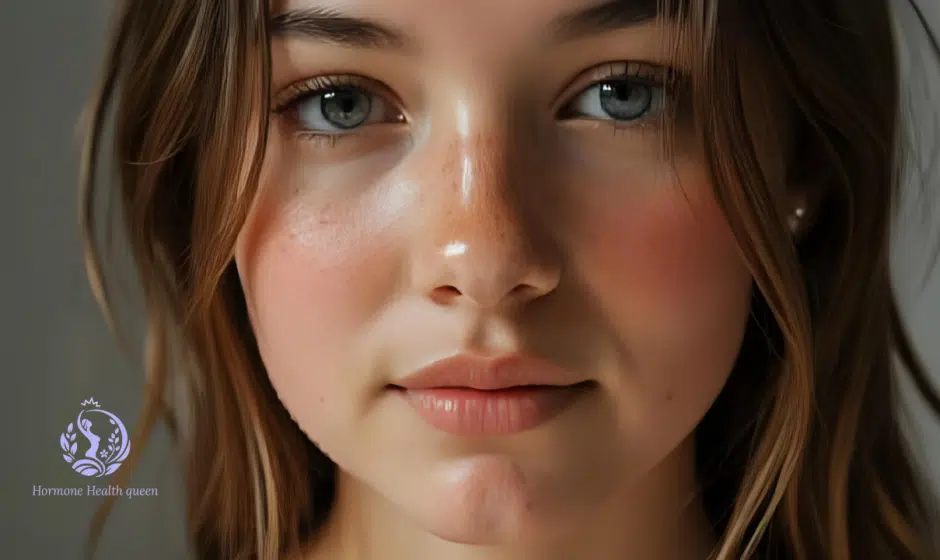

If your teen is constantly battling shine, clogged pores, or stubborn breakouts, you’re not alone. Oily skin in teens is one of the most common skin complaints — and hormones are usually the hidden culprit.
Puberty triggers a cascade of hormonal changes that directly impact the skin’s oil (sebum) production. When hormones fluctuate, the sebaceous glands go into overdrive, leaving the skin greasy, shiny, and acne-prone.
But here’s the good news: Understanding the hormonal causes of oily skin in teens can help you tackle the root problem — not just the symptoms. In this guide, we’ll break down the top five hormonal causes and share dermatologist-approved solutions that really work.
Why Is Oily Skin So Common in Teens?
Hormones, specifically androgens (like testosterone), increase during puberty for both boys and girls. These hormones stimulate the sebaceous glands, which produce oil to keep skin moisturized. But too much oil can clog pores, trap bacteria, and lead to acne.
Oily skin in teens isn’t just a cosmetic issue — it can lead to low self-esteem, frustration, and scarring if not addressed correctly.
The 5 Hormonal Causes of Oily Skin in Teens
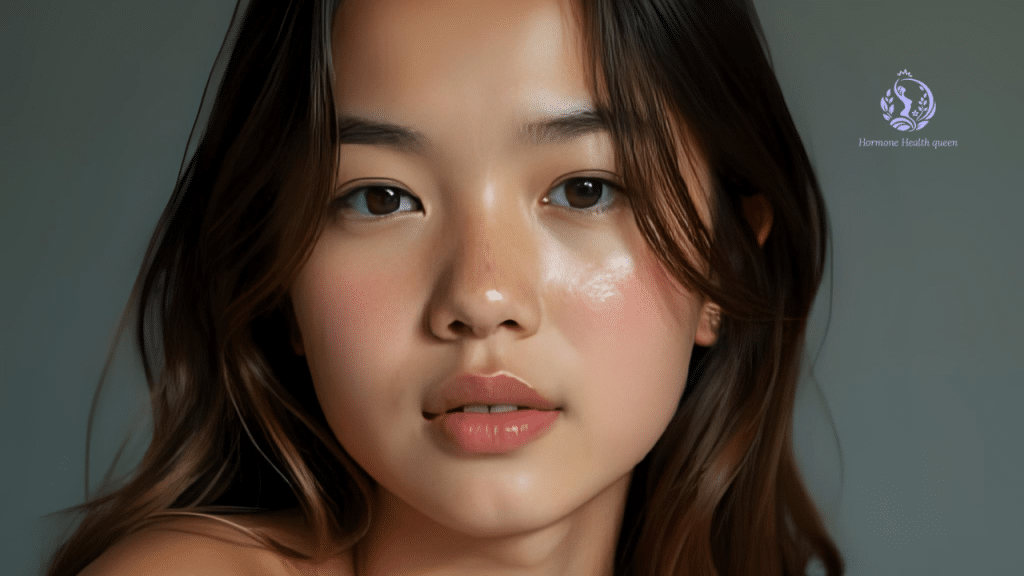
1. Surging Androgens During Puberty
Androgens are the main drivers of oily skin in teens. These hormones enlarge sebaceous glands and ramp up sebum production.
When it happens:
Usually between ages 10–16, when puberty hits full swing.
Visible signs:
- Shiny T-zone (forehead, nose, chin)
- Enlarged pores
- Blackheads and whiteheads
- Increased acne on face, chest, and back
What to do:
A consistent skincare routine and hormonal support (if needed) can reduce overproduction without drying out the skin.
2. Menstrual Cycle Fluctuations (in Girls)
In girls, hormonal fluctuations around menstruation — especially the rise in progesterone and drop in estrogen — can increase oil production and lead to cyclical breakouts.
When it happens:
About 7–10 days before menstruation begins.
Visible signs:
- Jawline and chin breakouts
- Oily, dull-looking skin in the luteal phase
- Monthly acne flare-ups
What to do:
Cycle syncing skincare and dietary strategies (more on that below) can balance hormonal triggers.
3. Imbalance Between Estrogen and Progesterone
A dominance of one hormone over another — especially progesterone dominance or low estrogen — may lead to more sebum and water retention in the skin.
Common triggers:
- Stress
- Nutrient deficiencies (like B vitamins or zinc)
- Irregular cycles
Visible signs:
- Skin feels both oily and sensitive
- Red, inflamed breakouts
- Mood changes or PMS symptoms
What to do:
Track hormone patterns and consider adding hormone-balancing foods like flaxseeds, leafy greens, and fermented foods.
4. Stress-Related Cortisol Spikes
Teenagers today are under intense academic, social, and emotional pressure. Chronic stress increases cortisol, which indirectly boosts oil production.
When it happens:
During exam periods, social stress, or poor sleep
Visible signs:
- Sudden greasy breakouts
- Breakouts around the mouth, cheeks, or neck
- Skin looks tired or inflamed
What to do:
Stress management techniques like journaling, exercise, and digital detoxes can help regulate cortisol.
5. Polycystic Ovary Syndrome (PCOS) in Teen Girls
PCOS is a hormonal condition that can begin during the teenage years. It often involves elevated androgens, irregular periods, and insulin resistance — all of which affect the skin.
Visible signs:
- Persistent cystic acne
- Excess facial oil
- Hair thinning or unwanted hair growth
- Irregular or missing periods
What to do:
If you suspect PCOS, see a doctor for hormone testing. A combination of lifestyle changes and medical support can improve skin and overall health.
Dermatologist-Approved Fixes for Oily Skin in Teens
Now that we’ve tackled the causes, let’s dive into what actually works to treat oily skin in teens — backed by experts.
✅ 1. Use the Right Cleanser (But Not Too Often)
Over-cleansing can strip the skin and trigger more oil production. Teens should use a gentle foaming cleanser twice daily.
Recommended:
- CeraVe Foaming Facial Cleanser
- La Roche-Posay Effaclar Purifying Gel
Avoid scrubbing or harsh soap-based cleansers.
✅ 2. Choose Oil-Free, Non-Comedogenic Moisturizers
Yes, oily skin still needs hydration. Dehydrated skin can produce even more oil to compensate.
Look for:
- Gel-based moisturizers with niacinamide
- Products labeled “non-comedogenic” or “oil-free”
Recommended:
- Neutrogena Hydro Boost Water Gel
- The Ordinary Natural Moisturizing Factors
✅ 3. Introduce Salicylic Acid or Benzoyl Peroxide
These ingredients help clear pores and reduce acne without over-drying.
Usage tip:
- Salicylic acid: 0.5%–2% in cleansers or toners
- Benzoyl peroxide: Use as a spot treatment
Recommended:
- Paula’s Choice BHA Liquid Exfoliant
- PanOxyl Acne Foaming Wash 4%
✅ 4. Incorporate Niacinamide and Zinc
These two ingredients help regulate oil production, calm inflammation, and support the skin barrier.
Recommended:
- The Ordinary Niacinamide 10% + Zinc 1%
- La Roche-Posay Effaclar Duo (+)
✅ 5. Clean Up Their Diet (Without Being Overly Restrictive)
Diet does influence hormone levels and oil production — especially high-sugar, dairy-heavy, or ultra-processed foods.
Helpful additions:
- Leafy greens, berries, flaxseed
- Omega-3-rich foods (salmon, walnuts)
- Water and herbal teas
Limit:
- Sugary sodas
- Excess dairy
- Fried and processed snacks
✅ 6. Teach Gentle Hygiene Habits
Many teens try to scrub away oil — but this can backfire.
Teach them to:
- Wash pillowcases weekly
- Clean phones/screens daily
- Avoid touching their face
- Apply sunscreen daily (oil-free, mattifying formulas)
When to See a Dermatologist
Oily skin in teens can often be managed with over-the-counter care — but professional help may be needed if:
- Acne is severe, painful, or cystic
- Scarring is starting to form
- Nothing improves after 3–6 months of home care
- You suspect a hormonal condition like PCOS or thyroid imbalance
A dermatologist can recommend prescription creams, hormone testing, or even low-dose treatments like spironolactone for hormonal acne.
Teen Skincare Routine for Oily Skin (AM & PM)
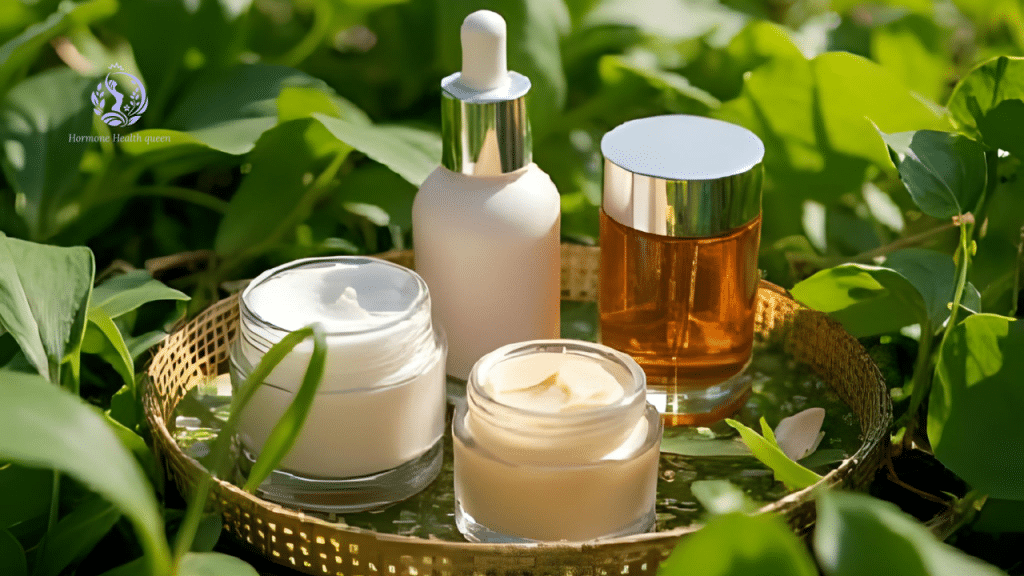
| Morning | Evening |
|---|---|
| Gentle foaming cleanser | Same cleanser |
| Niacinamide serum | Salicylic acid or BHA toner |
| Oil-free moisturizer | Lightweight moisturizer |
| Sunscreen SPF 30+ | Spot treatment (if needed) |
FAQs: Oily Skin in Teens
Q: Can teens outgrow oily skin?
A: Yes. For most, oil production normalizes by the early 20s. However, skincare and hormones play a big role in how long it lasts.
Q: Does drinking water help oily skin?
A: Hydration helps skin overall, but alone won’t control sebum. A balanced routine is key.
Q: Is it okay for teens to use retinol?
A: Only under supervision. Retinol can help with acne but may be too strong for younger teens.
Q: Are natural remedies like tea tree oil safe?
A: Diluted tea tree oil can help spot-treat acne, but always patch test and use sparingly.
Conclusion
Oily skin in teens is a hormonal issue at its core — not a cleanliness problem or something to be ashamed of.
By understanding the five main hormonal causes and building a smart, dermatologist-approved routine, your teen can reduce oiliness, breakouts, and frustration — without damaging their skin.
💡 The key is consistency, education, and support — both from products and from parents or caregivers who help guide them through this oily (but temporary!) phase.
Want more teen hormone and skincare tips? Visit HormoneHealthQueen.com
Follow us on social media for daily skin tips and real teen transformations