
Blog Post

hormone regulation

Chemical Sensitivity Guide: Navigating Toxins and Hormone Regulation

Chemical sensitivity can impact hormone regulation and create a domino effect on mood, energy levels, and overall health. Hormones are like your body’s internal communication system, whispering instructions between cells to help keep everything running smoothly, but chemicals can disrupt these important messages, potentially leading to imbalances. Your hormones influence how sensitive you are to chemicals, making it a two-way street.

Read More
hormone regulation

Understanding Mold Illness and Hormones: Your Guide to Balance and Recovery

Mold toxins can seriously upset the delicate balance of hormones in your body, affecting hormones like thyroid hormones, cortisol, and sex hormones. Hormone regulation isn’t a ‘big, scary’ word combo meant to sound daunting. On the contrary, it’s about restoring balance and feeling like yourself again, especially when it comes to {keyword} and mold toxins.

Read More
hormone regulation

Finding Balance: Understanding EBV and Hormone Regulation

Hormone regulation is crucial for our overall well-being, but sometimes, EBV can disrupt this delicate balance. EBV doesn’t only mess with your energy but also your hormones, causing immune system strain, interference with thyroid functions, and circadian rhythm issues. By understanding how EBV affects hormone regulation, we can start putting the pieces back together to reclaim our balance. Practicing diet and nutrition, stress management, sleep hygiene, physical activity, and seeking professional guidance can help us navigate the journey towards recovery and achieve consistent hormone regulation.

Read More
hormone regulation

Candida Hormone Guide: Finding Balance in a Yeasty Situation

Hormone regulation plays a crucial role in managing Candida overgrowth, as hormonal imbalances can encourage the yeast to multiply. By understanding the connection between hormones and Candida, you can take steps to regulate your hormonal levels and find balance in your body. This guide will walk you through the process of recognizing symptoms, adjusting your diet, and considering natural remedies to help manage Candida and support hormone regulation.

Read More
hormone regulation

The IBS-Hormone Connection: Understanding Your Gut Health

Understanding the relationship between irritable bowel syndrome (IBS) and hormone regulation can help manage symptoms effectively. Hormones, especially stress hormones and sex hormones, play a significant role in gut health, and managing them can alleviate IBS symptoms. By making lifestyle changes such as stress management, diet adjustments, and exercise, individuals can take control of their gut health and improve their quality of life. {keyword} regulation is crucial in maintaining a healthy gut and preventing IBS symptoms from flaring up. By being mindful of the connection between hormones and gut health, individuals can take proactive steps to manage their IBS symptoms and achieve a better balance in their lives.

Read More
hormone regulation

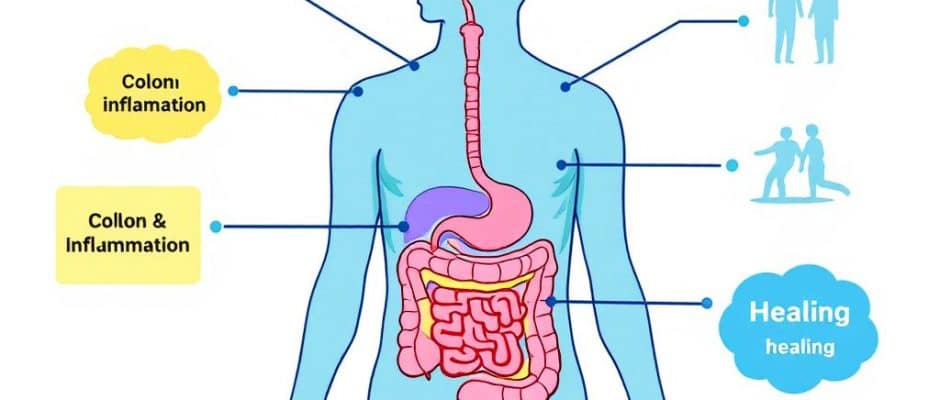
Navigating Ulcerative Colitis: Hormone Regulation and Gut Health

Ulcerative colitis is a chronic condition that can be managed through hormone regulation and gut health. By understanding the interconnectedness of the body’s ecosystems, individuals can take steps to ease symptoms and improve overall well-being. Hormone regulation plays a crucial role in managing UC, with cortisol being a significant player. Engaging in stress-reduction techniques and maintaining a balanced diet can help keep cortisol levels under control, making life more manageable for those dealing with UC. {keyword} is essential for colitis management, and by listening to the body’s needs and making lifestyle adjustments, individuals can find relief from symptoms and improve their quality of life.

Read More