


Menopause is a natural biological process that marks the end of a woman’s reproductive years. It’s wrapped in a veil of mystery and myths, often leading to confusion and miscommunication. But let’s unravel these concepts through an evidence-based analysis of menopause stages, supported by scientific research and expert insights. Whether you’re approaching menopause or simply curious, understanding its stages can empower you to navigate this transition with confidence. 🚀
In this in-depth guide, we’ll delve into the menopause stages with clarity and purpose. We’ll shed light on female hormone imbalance dynamics, abnormal bleeding in menopause, and key factors impacting this transition. My aim is to arm you with knowledge, practical examples, and real-world applications that ensure you’re well-prepared. Let’s embark on this thoroughly informative exploration.
Understanding Menopause Stages
Menopause is not a singular event but a dynamic process that unfolds over several stages: perimenopause, menopause, and postmenopause. Each stage is characterized by fluctuating hormones, like estrogen and progesterone, which can lead to various symptoms. Let’s dive deeper into each stage.
1. Perimenopause: The Prelude to Menopause
Perimenopause, often dubbed the “menopausal transition,” starts typically in a woman’s 40s, though it can begin in the 30s or not until the 50s. It’s the phase leading up to menopause, where the ovaries gradually produce less estrogen. This stage can last several years, extending until menopause officially starts.
Symptoms and Examples
- Irregular Periods: The defining factor of perimenopause is a change in your menstrual cycle. Periods may become longer, shorter, heavier, or lighter, and eventually irregular. This unpredictability is a hallmark of this phase.
- Hot Flashes & Night Sweats: Often surprising, these sudden waves of heat are caused by hormonal fluctuations and can be mild or severe. 🌡
- Mood Swings: Changes in hormone levels can lead to emotional roller coasters, with some women experiencing heightened anxiety or depression.
- Sleep Disturbances: Night sweats often go hand-in-hand with disrupted sleep, leading to fatigue and irritability.
Practical Advice

- Track Your Cycle: Keeping a diary of your menstrual cycle changes can help you anticipate symptoms and divine patterns to discuss with healthcare providers.
- Lifestyle Adjustments: A balanced diet and regular exercise can stabilize mood and improve sleep quality.
2. Menopause: The Grand Transition
Menopause is defined retrospectively, occurring 12 months after a woman’s last menstrual period. The average age for menopause is 51, but it can happen earlier or later. The complete cessation of menstruation indicates that the ovaries have stopped releasing eggs and producing most of their estrogen.
Common Experiences
- Cessation of Periods: The clearest marker, this cessation ushers in significant hormonal changes.
- Vaginal Dryness: Estrogen levels plunge, leading to thinning vaginal tissues and dryness that can impact intimate relationships.
- Abnormal Bleeding Menopause: While periods cease entirely, any postmenopausal bleeding should prompt an immediate medical consultation.
Expert Tips
- Consider HRT: Hormone Replacement Therapy (HRT) can help manage severe symptoms by supplementing estrogen levels, but it’s crucial to weigh benefits versus risks with a healthcare provider.
- Lubrication is Key: Over-the-counter lubricants can help relieve vaginal dryness, allowing for more comfortable intimate experiences.
3. Postmenopause: The New Normal
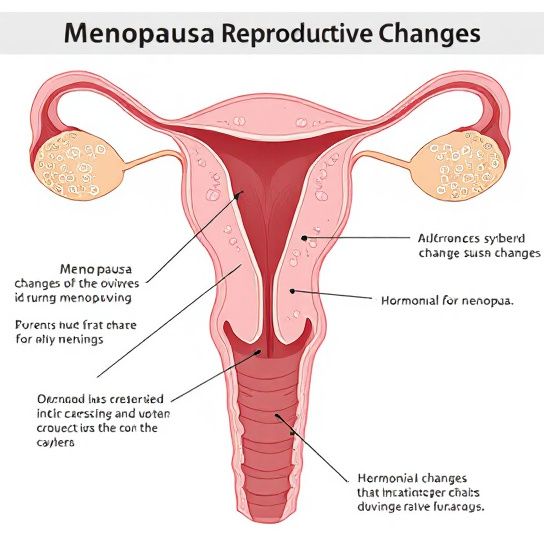
This phase begins once menopause is complete. Hormone levels stabilize at lower levels, but the risk of certain health complications like osteoporosis and cardiovascular diseases increases.
Changes to Note
- Stable Hormonal Levels: Unlike perimenopause, hormonal fluctuations settle, offering relief from many earlier symptoms.
- Bone Density Concerns: Low estrogen can lead to reduced bone density, making fractures more likely.
- Heart Health Vigilance: Postmenopausal heart disease risk rises, making a wholesome lifestyle pivotal.
Best Practices
- Bone Health: Incorporate weight-bearing exercises and calcium-rich foods to support bone health.
- Regular Checkups: Routine medical examinations, including bone density tests and cardiovascular screenings, become more critical during this stage.
The Complexity of Female Hormone Imbalance
The concept of female hormone imbalance not only refers to the symptoms of menopause but encompasses a broader spectrum of conditions influenced by hormonal changes. Understanding these fluctuations can help mitigate unwelcome symptoms.
Practical Tips for Managing Hormone Imbalance
- Dietary Habits: Consume a diet rich in phytoestrogens, such as soy products, to naturally bolster estrogen levels.
- Stress Management: Chronic stress can exacerbate hormonal imbalances, so consider mindfulness practices such as yoga or meditation.
- Consult Experts: Work with an endocrinologist or a gynecologist specializing in hormonal health to create personalized wellness plans.
Real-World Cases and Scientific Support

Dr. Jennifer Ashton, a renowned physician and advocate for women’s health, emphasizes the importance of tailored treatments. In her clinical practice, she’s noticed that hormone therapy, though controversial, offers significant relief for many women struggling with severe menopausal symptoms. Case studies exemplify that personalized care, considering genetic predispositions and individual health goals, could revolutionize menopause management.
The Impact of Research Studies
In 2002, the Women’s Health Initiative brought to light the complex effects of hormone therapy, encouraging nuanced appreciation of menopause management. More recent studies, like those from The North American Menopause Society, underline estrogen’s protective role in preventing osteoporosis and guiding cardiovascular health in postmenopausal women.
Comparison Table: Hormonal Treatment vs. Lifestyle Adjustments
| Aspect | Hormonal Treatment | Lifestyle Adjustments |
|---|---|---|
| —— | —————— | ——————— |
| **Onset of Relief** | Quick | Slower |
| **Tailored Precision** | High | Moderate |
| **Long-term Health** | Positive when tailored | Boosted overall well-being |
| **Risk Factors** | Potential side effects | Minimal risks |
| **Patient Involvement** | Regular medical supervision | Proactive self-care |
Common Pitfalls and Misconceptions

- Assuming All Symptoms are Menopause-Related: Symptoms like abnormal bleeding can stem from other conditions; always rule out other health issues.
- Self-Diagnosing and Treating: While lifestyle changes can be helpful, medical guidance is essential for navigating menopause stages safely.
Conclusion: Navigating the Complexities of Menopause
Menopause is a powerful transition that can influence every aspect of a woman’s life, from mental to physical health. By equipping yourself with a detailed, evidence-backed understanding of menopause stages, you can make informed decisions and foster resilience through every phase. Consider bookmarking this guide for reference as you journey through menopause, and never hesitate to reach out to healthcare professionals for personalized advice. 💡
Through research, practical examples, expert tips, and real-world insights, this guide aims to be your go-to resource. Be empowered, be knowledgeable, and embrace the changes with confidence and grace. 🦋
Frequently Asked Questions
What are the benefits of using a hair mask in my hair care routine?
Using a hair mask can provide several benefits, including hydration, smoothing, strengthening, curl definition, heat protection, and damage repair. Hair masks infuse the hair with moisture, help coat the hair shaft to seal split ends, reduce breakage, and protect the hair from heat styling and environmental damage[1][4].
What ingredients should I look for in a hair mask?
Effective hair masks often include ingredients such as coconut oil, argan oil, shea butter, honey, avocado oil, green tea, and coconut water. These ingredients provide nourishment, moisturize, and protect the hair, offering benefits like softening, moisturizing, and protecting against damage[2][5].
How often should I use a hair mask in my routine?
You should use a hair mask whenever your hair feels dry, unmanageable, or in need of intense hydration. This can vary depending on your hair type and needs, but generally, using a hair mask once or twice a week can help maintain healthy and moisturized hair[1][4].
How do I apply a hair mask for the best results?
To apply a hair mask effectively, shampoo your hair first, then apply the mask, focusing especially on the ends where hair tends to be the most damaged. Leave the mask on for anywhere from 10 minutes to overnight, depending on the type of mask and your hair’s needs[1][4].
References