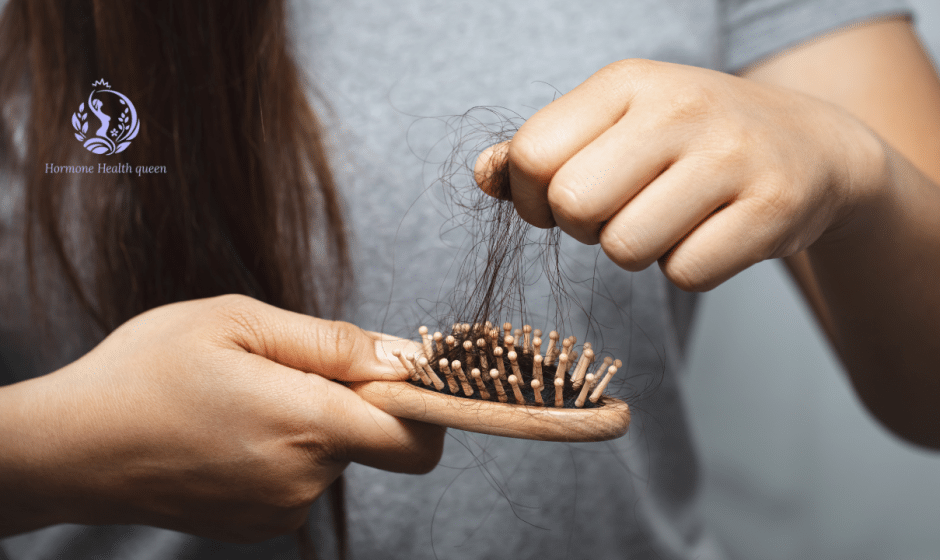

Menopause is a powerful transition — but few women are prepared for how dramatically it can affect their hair.
From sudden thinning to stubborn dryness, the hair changes during menopause can take an emotional toll. Many women report a sense of loss, frustration, and even embarrassment as their once-reliable hair texture and volume begin to change.
The reason? Hormones.
As estrogen levels drop and androgens like DHT (dihydrotestosterone) become more dominant, your scalp and strands respond in noticeable — and sometimes distressing — ways. But knowledge is power.
In this guide, we’ll break down the science of menopausal hair changes, provide targeted solutions, and equip you with evidence-based tips to help you navigate this phase with confidence, grace, and stronger, healthier hair.
The Hormonal Science Behind Menopausal Hair Changes
Estrogen plays a protective role in maintaining hair thickness and growth. It prolongs the hair’s growth (anagen) phase and improves circulation to the scalp. During menopause, estrogen levels decline sharply, while androgen levels like testosterone and DHT remain the same — or even increase.
This hormonal imbalance leads to:
- Shortened growth cycles
- Miniaturized follicles
- Reduced scalp hydration
- Increased hair shedding
Hair Change Timeline: Perimenopause to Post-Menopause
| Stage | Typical Age | Hair Changes You May Notice |
|---|---|---|
| Perimenopause | 40–50 | Subtle thinning, increased dryness, more shedding |
| Menopause | 50+ | Noticeable volume loss, texture shifts, scalp sensitivity |
| Post-Menopause | 55+ | Persistent thinning, graying, and fragility |
7 Common Menopausal Hair Issues (Identification Guide)
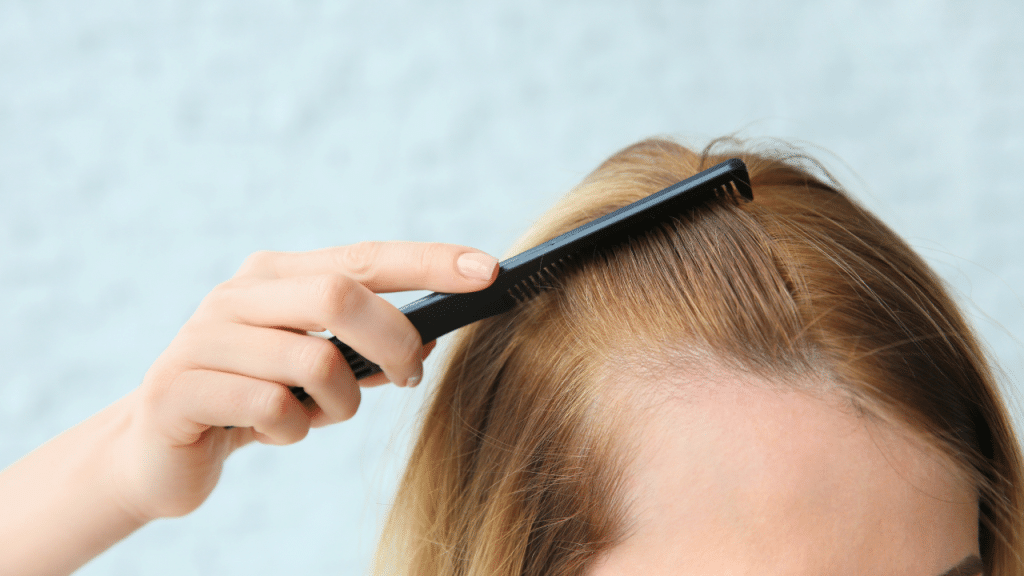
- Thinning and Density Loss: Hair feels sparse, especially around the crown and temples.
- Texture Changes: Once-smooth strands become coarser, frizzier, or brittle.
- Dryness and Scalp Sensitivity: Increased itchiness, flaking, and dull appearance.
- Reduced Growth Rate: Hair takes longer to grow or appears stagnant.
- Increased Breakage: Ends split easily, and strands snap with minimal stress.
- Accelerated Graying: Lower melanin production leads to faster graying.
- Oil Production Changes: Either overly greasy or extremely dry roots.
Essential Hair Care Routine Adjustments for Menopausal Hair
- Washing Frequency: Cut back to 2–3 times per week to avoid stripping natural oils.
- Heat Styling Alternatives: Use ceramic tools with temperature control or air-dry with texture sprays.
- Protective Brushing: Use wide-tooth combs and detangle gently from ends to roots.
- Nighttime Protection: Switch to silk pillowcases and loose, protective hairstyles like braids or buns.
Top 10 Ingredients Scientifically Proven to Support Menopausal Hair
| Ingredient | Benefit |
|---|---|
| Peptides & Proteins | Strengthen hair shaft and reduce breakage |
| Ceramides | Improve moisture retention in scalp |
| Panthenol (Vitamin B5) | Adds thickness and shine |
| Biotin | Supports keratin infrastructure |
| Lightweight Silicones | Prevent breakage without buildup |
| Amino Acids | Help rebuild hair fibers |
| Plant Adaptogens | Balance hormonal stress (e.g., ashwagandha) |
| Growth-Stimulating Compounds | Like caffeine, rosemary extract |
| Scalp Microbiome Supporters | Prebiotics, fermented botanicals |
| Anti-Inflammatory Botanicals | Chamomile, aloe, licorice root |
5 Specialized Scalp Care Practices for Hormonal Hair Health
- Scalp Massaging: Stimulates blood flow — do daily with fingers or a silicone brush.
- Exfoliating Treatments: Use once weekly to remove buildup and promote cell turnover.
- Pre-Shampoo Oiling: Warm coconut, castor, or argan oil can nourish and soothe the scalp.
- Cooling Sprays: For hot flashes and inflamed scalps — look for menthol or aloe-based formulas.
- Targeted Serums: Choose serums with peptides, caffeine, or plant stem cells for follicle support.
Nutrition Guide: Foods That Support (and Sabotage) Menopausal Hair
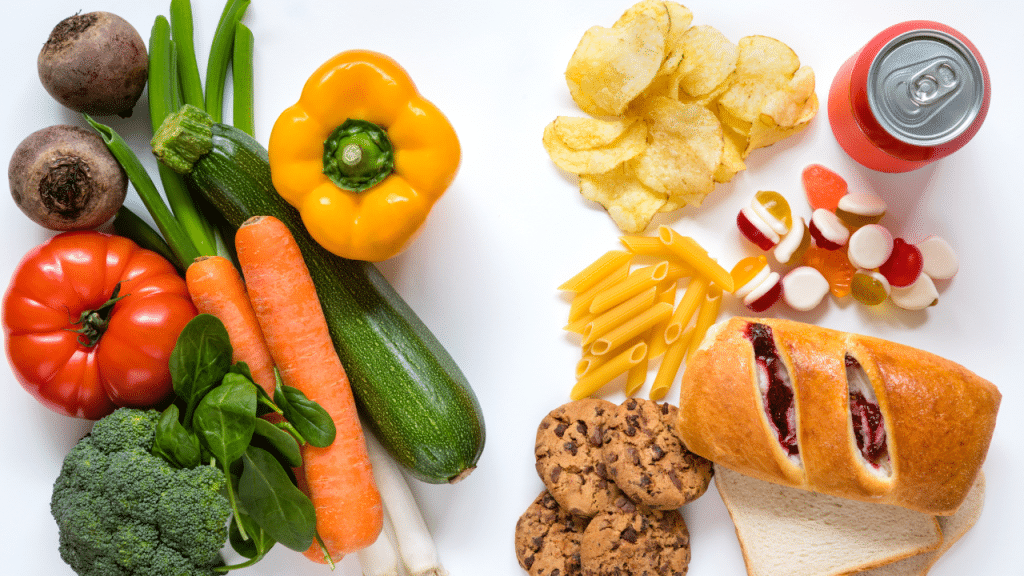
✅ Best Foods for Stronger Hair:
- Salmon & Mackerel: Omega-3s fight inflammation
- Eggs & Lentils: Rich in biotin and protein
- Leafy Greens: Provide iron and folate
- Pumpkin Seeds & Oats: High in zinc and magnesium
- Berries: Packed with antioxidants to protect follicles
❌ Foods to Limit:
- Sugar & Refined Carbs: Can worsen hormonal imbalances
- Excessive Dairy: Triggers inflammation in some women
- Alcohol & Caffeine Overload: May disrupt hormonal regulation and hydration
Supplements with Evidence-Based Benefits
| Supplement | Benefit |
|---|---|
| Biotin | Boosts keratin, reduces shedding |
| Collagen Peptides | Enhances hair thickness |
| Vitamin D | Deficiency linked to hair loss |
| Zinc | Regulates oil production |
| Ashwagandha | Reduces stress-related hair fall |
⚠️ Always consult your doctor before starting any supplement regimen.
Strategic Haircuts and Color Techniques to Maximize Volume
- Blunt Ends: Make hair appear fuller instantly
- Layered Pixie Cuts: Add body and shape
- Angled Bobs: Create illusion of volume
- Face-Framing Layers: Draw attention upward
- Root Touch-Up Sprays: Conceal thinning at the crown
- Lowlights + Highlights: Add dimension and camouflage sparse areas
Medical & Advanced Treatment Options
When home remedies aren’t enough, consider:
- Minoxidil: FDA-approved topical for female pattern hair loss
- PRP (Platelet-Rich Plasma): Uses your own blood to stimulate growth
- Hormone Replacement Therapy (HRT): May help with systemic symptoms
- Low-Level Laser Therapy (LLLT): Stimulates follicles with red light
Speak with a board-certified dermatologist or trichologist for personalized advice.
Recommended Products (Budget to Premium)
| Concern | Budget-Friendly | Mid-Range | Premium |
|---|---|---|---|
| Thinning | OGX Biotin Shampoo | Vegamour GRO Serum | Virtue Flourish Density Booster |
| Dry Scalp | The Ordinary Hair Oil | Kérastase Scrub Apaisant | Act+Acre Scalp Detox |
| Breakage | SheaMoisture Masque | Briogeo Don’t Despair | Olaplex No. 3 Treatment |
Emotional Wellbeing Strategies
- Journaling: Track your emotional and physical progress
- Meditation & Yoga: Reduce cortisol levels, promote hormone balance
- Support Groups: Online communities for menopausal women
- Affirmations: Embrace beauty at every age
DIY Hair Masks for Menopausal Hair
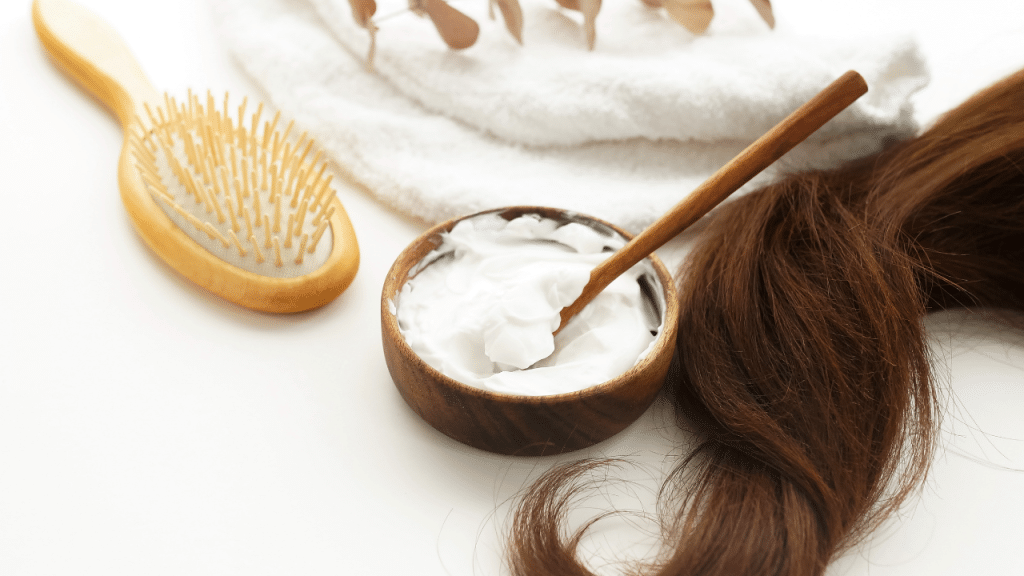
- Strength Mask: Egg + Greek yogurt + olive oil
- Hydration Mask: Avocado + coconut milk + honey
- Scalp Soothe Mask: Aloe vera + chamomile tea + jojoba oil
Apply weekly, leave on for 20–30 minutes.
👩⚕️ Expert Quote
“Hormonal shifts affect your hair from root to tip. With the right support, women can maintain vibrant, healthy hair at every age.”
— Dr. Alicia Romero, Trichologist & Hormonal Hair Specialist
Conclusion
Hair changes during menopause are common — but they don’t have to be defeating.
With the right knowledge, tools, and emotional support, you can embrace this new chapter of beauty with confidence. Whether you’re just beginning perimenopause or well into post-menopause, it’s never too late to take control of your hair health.
You are strong, you are evolving, and you are not alone. Your best hair days can still be ahead. 💪
FAQ: Menopausal Hair Changes
Q: Is menopausal hair loss permanent?
A: Not always — with the right care, you can slow or reverse some thinning.
Q: How long do these hair changes last?
A: Changes may start in perimenopause and continue for a few years post-menopause.
Q: Will HRT help my hair?
A: For some women, yes — especially if the loss is linked to estrogen decline.
👀 Explore more expert-backed hair and hormone health guides at HormoneHealthQueen.com
📱 Follow us on social media for daily hair tips and inspiring real-women stories