
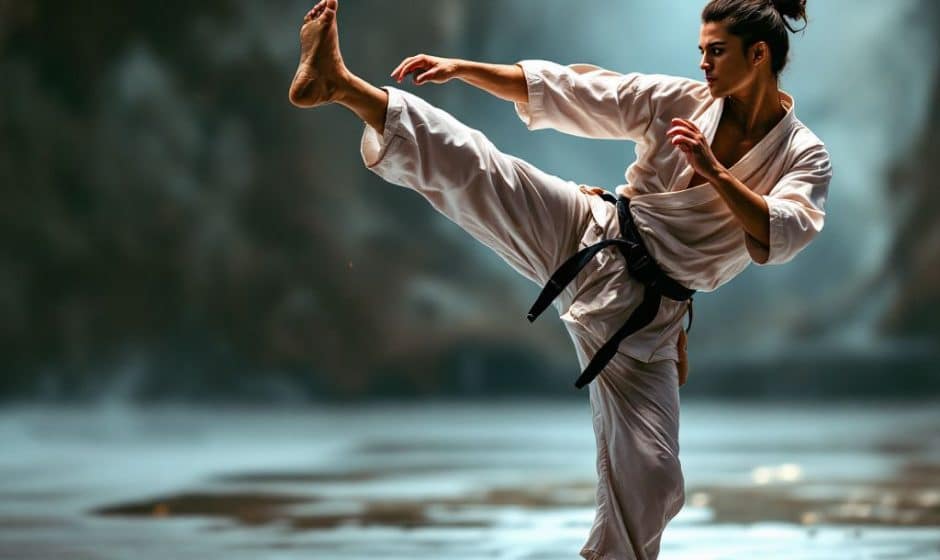

Ever watch a martial arts master move effortlessly through forms, dodging punches, delivering kicks, and think, “How do they stay so balanced?” It’s like watching a dancer, purposeful and precise. You probably wonder how they do it. Well, let me spill the secret sauce: it’s not just practice and more practice—though, hey, that’s a big chunk of it—it’s really about understanding and mastering balance.
Balance is crucial in martial arts and combat sports. You see, without solid balance, even the fiercest punch can be turned against you. Or worse, your opponent could just tap you, and boom, you’re down for the count! Integrating good balance means every move—attack or defense—carries more weight, precision, finally reaching that effortlessly deadly grace every martial artist craves.
The Balancing Act: Why It Matters in Martial Arts
Balance is like breathing to a martial artist. Without it, you might as well hang up your gloves. Combat sport isn’t just about hard punches or kicks. It’s also about where you stand when you deliver them. If incorrectly balanced, your iconic kick can mean a twisted ankle if not executed properly—a terrible, yet totally avoidable fate!
The Silent Partner: Hormone Regulation
Guess what? Balanced footing isn’t just about muscle fibers and reflexes—hormones play their part too. Hormone regulation impacts everything from muscle growth to stress levels. It’s the backstage crew making sure the show runs smoothly. Stress hormones like cortisol can turn even the simplest Taekwondo form into a jittery nightmare if not kept in check. levels enable clarity, relaxation, and crucial focus during a match.
Balance within your body reflects in balance on the mat. Proper hormone regulation fosters consistent focus and resilience, qualities essential to sustaining an intense training regimen or confronting the inevitable psychological pressures in martial arts competitions.
The Building Blocks: Strength, Agility, Coordination
You don’t need to be a weightlifter to excel in martial arts. But trust me, some strength will certainly help iron out your balance issues. Muscle stability supports your core, which anchors your center of gravity—and core stability equals solid balance.
Strength and Muscle Control

Start with your core—lower back, abs, obliques. These muscles keep you upright during a bout as you need to twist, turn, or leap suddenly. Dedicated core exercises like planks, Russian twists, and leg raises can forge that muscular grip you’ll need. Extra points if you can hold a plank long enough to Netflix-binge at the same time—talk about multitasking!
**The Plank**: It’s more than just a meme trend. Try to hold a plank for intervals starting at 30 seconds and gradually increasing. If done right, you’ll feel your core lighting up like a Christmas tree.
**Russian Twists**: Sit with your feet off the floor, palms together in front of you. Twist left and right, touching the floor beside you on each move. Keeps that torso twist sharp for on-the-spot balance adjustments.
Agility Training: Your Best Friend
Fancy footwork can make or break a fighter. Just like a cat, agility makes your steps precise. Skip the elephant steps—treat your feet, keep them light, creative, and flowing.
**Ladder Drills**: These help train your feet to adjust quickly, helping maintain balance during a fight, when opponents are unpredictable.
**Jump Rope**: This one is excellent for timing, endurance, and, surprise—balance! Make it a goal to last through a couple of rounds with smooth, fluid jumps. Chasing those rhythm goals tonally helps rhythm out your movements inside the ring.
Secondary benefit? Hello cardiovascular fitness. Jumping rope does wonders for your heart health!
Coordination and Reflexes: Dance, But with Punches
Think of martial arts as a strategically mashed ballet and street fight—graceful yet assertive. Coordination brings fluidity. To sharpen it, mix in speed bag exercises. The rhythm not only improves hand-eye coordination but mimics the trickiness of real bouts.
Grab a punching bag, set it moving, and try keeping up with its rhythm. Start slow—matching rhythmic punches—then build speed. Patience is key here, so trust the process.
Digging Deeper: Yoga, Tai Chi, and Meditation
Now, I know what you’re thinking—downward dog in a sporty arsenal? But hear me out. Practicing yoga or tai chi isn’t just a zen fad. These disciplines offer gravity-defying balance and grounding, two components synonymous with martial artist excellence.
**Tai Chi Forms**: Especially for older practitioners, this slower-paced martial tradition encourages awareness and consistent balance through fluid motion. It’s strategic lace work within our martial arts craft.

**Yoga Magic**: Adds dynamism to static poses, directly impacting body alignment and flexibility. Poses like Warrior II and Tree Pose strengthen your leg muscles—key to staying grounded during swift exchanges.
Plus, being mindful of your breath? Big bonus! Staying calm through stress remains paramount in combat sports.
Beyond the Basics: Fueling Balance with Nutrition
Okay, we’ve got our groundwork: fundamentals of strength, agility, hormone regulation getting linked miraculously by equal parts meditation and practice. Next comes something you’ve heard since forever: nutrition threads all these parts together—balancing each vision towards our martial holy grail. Here’s how:
Eating Clean, Balanced
Clean, balanced nutrition optimizes your bodily functions, essential for training. Eating isn’t dieting—it’s treating your body like the temple it totally is. Protein helps muscles recuperate post-train, while fruits and veggies pump vitamin oases for hormone production.
**Macronutrients Balance**: Sounds clinical, but eating your carbs, proteins, and healthy fats equitably boosts energy potential. Aim for lean meats, whole grains, avocados—they’re all champs here.
**Hydration, Hydration, Hydration**: An oldie but goodie: drink your water, kids! Dehydration wobbles physical functions, directly hampering balance.
Supplement Love: Not Just for Bodybuilders
Choosing right supplements, especially those promoting joint health or metabolic balance, can alleviate intensive tension or shield against repetitive strain injuries. Glucosamine aids cartilage rebuilding and cell renewal sparked by correct hormone regulation.
Butterflies happen even to seasoned players. Manage cortisol, foster spiritual zen; trust mood-oscillating producers sporadic magpies (all the good greens and dessert parallel universe alike really help strategically revive).
Pitfalls and Pro-Tips: Staying Balanced as a Martial Artist

Even though achieving balance is everyone’s dream, let’s be real—every warrior wobbles along the way. Expect tumbles—it’s a part of those valuable teaches known as defeat. Here’s some tried-and-true advice to stave off time-consuming setbacks.
Common Missteps
- Underestimating Hormonal Impact: Stress management is fundamental. Sleep and good social connections are not to be compromised.
- Neglect Physical Warm-Ups: Your core automatically engages when warm—spare those spine-tingling couple of prep minutes pre-training.
- Inconsistency: Use observes anchor traditions such repetitive stave moderation loss ideally shaping successful ethos. Commit first methodology helps bootstrap everything preceding.
Toolbox for Tips
- Dedicated Training: Allocate focused balance, stretches post-class wind down. Target the rest core post-fast-trigger areas casual repeat.
- Annual Tests: Meet up with trainers, assess growth alternatively pill transmissions mediocre overhaul periods specific splits deficiencies, if any.

- Grace Periods: ceased training skipped setback—deal on independent turf pace conclusion ultimately golf-tier aspirations crown though sharper wrist slightly fulfilled punch.
—
Folks, achieving martial artist balance isn’t just eluding pairs dexterous angular pliétaire dings bulbed equally pounding fists. Balance constructs a fashion esteemed confidence built priestly castle layered patience dedication honored strengthening behaviors responsive structures.
What do you say—ready to get on the road to true balance in martial arts? I say give it a shot. Dive into those stances, center right day hormonally glorious, pursue render specialty thoughtfully molding continuity as complementary fitness creativity conductor tango measured movement practiced smartphone visionarily achieved.
Could this introduce just one permanent training shift? Perhaps. Either way, truly acing balance will ground every battle future. Happy sparring!
Frequently Asked Questions
What causes a hormonal imbalance?
A hormonal imbalance can be caused by natural changes or stages in your life, including puberty, pregnancy, perimenopause, and menopause. Additionally, hormone levels can dramatically decrease after a partial or full hysterectomy[1][3].
What are the signs and symptoms of a hormonal imbalance?
The signs and symptoms of a hormonal imbalance can vary but may include irritability and fatigue, mood swings and depression, skin dryness and loss of elasticity, water retention and weight gain, osteoporosis and joint pain, less interest in sex, insomnia and other sleep disorders, and memory issues and difficulty concentrating[1][3].
How does hormone replacement therapy help with hormonal imbalances?
Hormone replacement therapy helps by restoring stable hormone levels, leading to improved sleep, increased energy, enhanced memory, better concentration, elevated mood with fewer mood swings, smoother and more hydrated skin, increased interest in sex, better weight regulation, and joint and bone protection[1].
What types of hormone replacement therapy are available?
There are several types of hormone replacement therapy, including systemic hormone therapy (in pill form, patches, rings, gel, cream, or spray), low-dose vaginal products (for vaginal and urinary symptoms), and bio-identical hormone replacement (which is structurally identical to human hormones and may have fewer side effects)[1].
References- FAQs About Hormone Imbalance. Dr. FOBGYN.
- Hormonal Imbalance: Causes, Symptoms & Treatment. Cleveland Clinic.