

Introduction: Setting the Stage with Evidence 🌟
Is it good to workout during your period? This question often triggers conflicting opinions and reluctance rooted in personal experiences and cultural beliefs. Still, when examined through the lens of scientific research and expert insights, a more nuanced and evidence-based narrative emerges. The topic of exercising during menstruation involves complex interactions between physiology, mood, and social factors, making it a significant area of interest for researchers and fitness professionals alike.
To truly understand whether working out during your period is beneficial, we must explore what science reveals about menstrual cycles, physiological changes, and how exercise might complement this natural process. As more women aim to optimize health and performance, uncovering the right balance between rest and activity becomes crucial, not just during the regular days of their cycle, but during their period as well. Here’s what the evidence says.
Physiological Changes During Menstruation and Exercise Benefits
Menstruation is marked by cyclical hormonal changes, with the most notable shifts involving estrogen and progesterone. These hormones control the menstrual cycle phases — menstrual, follicular, ovulatory, and luteal — each influencing energy levels, fluid retention, muscle recovery, and mood differently.
Hormonal Fluctuations and Their Impact
**Estrogen and Progesterone:**
- Estrogen peaks just before ovulation and plummets soon after, while progesterone predominantly rises post-ovulation. These fluctuations can affect metabolic rate, hydration, and even pain perception, notably during exercise.
- Rising estrogen is associated with increased energy levels and improved endurance and strength, thus enhancing performance ability generally midway through the cycle more than at the onset of menstruation.
Physical Activity Impact and Benefits
**Pain Reduction with Exercise (Primary Dysmenorrhea):**
- A study published in the Journal of Women’s Health & Gynecology (2018) explored exercise’s role in alleviating menstrual discomfort, highlighting that engaging in low-to-moderate intensity exercise could reduce the severity of dysmenorrhea—painful periods—by improving blood supply to the abdominal cavity and boosting endorphin levels.
**Mood and Psychological Benefits:**
- Working out prompts the release of endorphins—known as the brain’s feel-good neurotransmitters—which elevate mood and act as natural painkillers. This release can counteract the irritability and mood swings often experienced during the menstrual phase.
**Metabolic Enhancements:**
- Exercising, especially during the follicular phase, can improve insulin sensitivity and utilize stored carbohydrates more effectively, contributing further to overall metabolic health.
Summarizing Through a Technical Lens 🤓
- Utilizing Hormonal Peaks: Exploiting periods of higher estrogen by structifying strength training before the menstrual period might contradict traditional rest days advised solely based on discomfort assumptions.
- Debunking Myths: It’s essential to dispel misconceptions that periods preclude strenuous activity; well-planned workouts respect physiological cadence without undue stress or risk of injury.
Technical Breakdown: Evidence from Case Studies and Research
Case Study: Hormonal Cycles and Athletic Performance
A notable case study conducted by the British Journal of Sports Medicine (2020) evaluated the impact of menstrual cyclical variations on athletic performance among 200 female athletes. The findings indicated no significant decline in performance provided the athletes practiced recovery-inclusive routines; many even recorded personal bests. This study highlights that while discomfort might be detrimental, it should neither justify complete idleness nor be generalized across individuals.
Research Insights on Workout Types
**Low-to-Moderate Intensity:**
- Activities, such as yoga, pilates, and walking, have shown benefits in reducing period cramps (amenable to anecdotal reports by women worldwide) and enhancing mood. A clinical trial by European Journal of Obstetrics & Gynecology and Reproductive Biology reinforced these findings, linking such exercises to a decrease in perceived intensity of menstrual pain.
**High-Intensity Interval Training (HIIT):**
- Although research on exercise prescription during menstrual cycles remains emerging, some athletes report maintaining performance with low-impact HIIT regimes. However, personalization is key, encouraging women to judiciously assess responses to this type of workout against their cycle’s discomfort and overall energy status.
Consent to Listen to the Body
A nuanced approach supported by the *American College of Sports Medicine* (ACSM) reiterates the integrative practice of tuned-in exercise routines, urging intuitive listening to bodily cues while circumventing overarching myths about period-related incapabilities. This guidance does not detract from goals but aligns them practically to enhance quality of life.
Practical Applications and Actionable Advice ⚙️
- Develop a Personalized Exercise Plan:
- Cycle Mapping: Women could start by documenting their cycle phases along with daily symptoms and energy levels. Apps like Clue or Flo can help in tracking symptoms tied to workouts over time for personalized insights.
- Integrate Varied Exercise Routines:
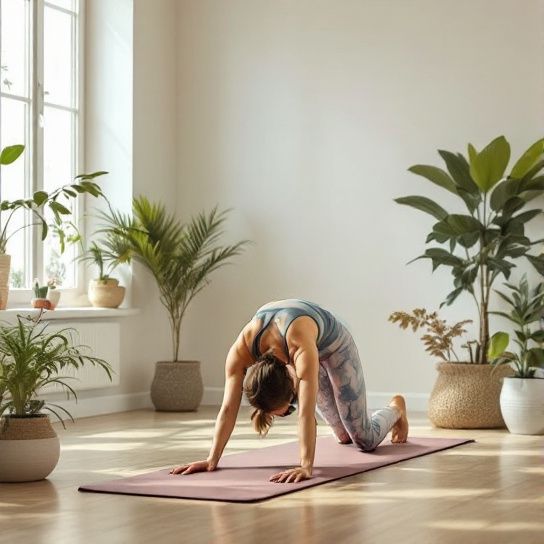
- On days with low motivation or heightened pain, gentle exercises like stretching or yoga should take precedence over intense workouts to prevent exacerbating symptoms.
- Nutrition and Hydration Advice:
- Indulge in diets rich in anti-inflammatory ingredients (omega-3 fatty acids, berries, dark leafy greens) and stay hydrated to help mitigate the lagging effects of menstrual fatigue.
- Consultation with Healthcare Professionals:
- Persistent severe symptoms or atypical patterns extending into workout impairments necessitate consultations such as endocrinologists or gynecologists to tailor fitness regimes compatible with physiological norms.
Real-World Scenarios: Success Stories and Personalization
Person A: Achieving Balance and Betterment
Jackie, a 29-year-old avid runner, perceived her periods as a recurring roadblock impacting her marathon training. After adopting a structured exercise plan leaning on low-impact regimens during low-energy cycle days, she found not only her symptoms alleviated but also her race times improved. Embracing mindfulness on cyclic energy ensured that workouts served productivity over counterproductivity.
Person B: Transitioning Body Awareness into Actionable Insights

Leila’s pursuit of weight training had often seen hiatus at each menstrual period onset. Applying cycle-tracking insights prepared her mentally, eventually transforming perceived lows into strategic high-performance wellness options. Her approach resonated with enhanced recovery and revised strength metrics.
Conclusion: Building on a Foundation of Evidence and Encouragement
Understanding the correlation between menstruation and exercise necessitates embracing dynamic changes independently and collectively geared towards a personalized consciousness. The broader scientific studies and expert insights consolidate the consensus: it is beneficial for many women to workout during their period, yet worthwhile adaptations are worthwhile when discerning comfort and capacity limitations.
By leveraging this knowledge, crafting individualized fitness experiences is an obtainable horizon for every woman — to thrive resiliently, period-empowered, and untethered by stereotypes. The harmony of exercise within these natural cycles fosters enduring health benefits and fortifying self-confidence in diverse pursuits. 🌺
Exercise during menstruation should be an empowering endeavor informed through empathy and extensively educated choices from clinical research, rather than regimented as a societal mandate.
Frequently Asked Questions
What are the benefits of using a hair mask in my hair care routine?
Using a hair mask can provide several benefits, including hydration, smoothing, strengthening, curl definition, heat protection, and damage repair. Hair masks infuse the hair with moisture, help coat the hair shaft to seal split ends, reduce breakage, and protect the hair from heat styling and environmental damage[1][4].
What ingredients should I look for in a hair mask?
Effective hair masks often include ingredients such as coconut oil, argan oil, shea butter, honey, avocado oil, green tea, and coconut water. These ingredients provide nourishment, moisturize, and protect the hair, offering benefits like softening, moisturizing, and protecting against damage[2][5].
How often should I use a hair mask in my routine?
You should use a hair mask whenever your hair feels dry, unmanageable, or in need of intense hydration. This can vary depending on your hair type and needs, but generally, using a hair mask once or twice a week can help maintain healthy and moisturized hair[1][4].
How do I apply a hair mask for the best results?
To apply a hair mask effectively, shampoo your hair first, then apply the mask, focusing especially on the ends where hair tends to be the most damaged. Leave the mask on for anywhere from 10 minutes to overnight, depending on the type of mask and your hair’s needs[1][4].
References