


In the bustling realm of health and wellness, one topic continually piques interest given its vast implications: **hormone balance**. These powerful biochemical messengers orchestrate numerous bodily functions, from mood regulation to metabolism. With an increasing number of people seeking holistic means to foster internal equilibrium, the allure of understanding how to balance your hormones naturally gains significant traction.
This in-depth analysis blends scientific literature and real-world applications, offering a reliable resource grounded in research. Whether you are a healthcare professional or an enthusiast on this health journey, you will find applicable guidance and insight into achieving natural hormone balance.
Understanding Hormones and Their Impact
Hormones are integral components of the endocrine system, acting as messengers that facilitate communication between various organs and tissues. Key hormones include insulin, cortisol, thyroxine, and estrogen, each contributing to vital functions and maintaining homeostasis. Imbalances in these hormones can manifest in myriad symptoms, such as fatigue, weight fluctuations, or mood disorders.
A pivotal study published in the *Journal of Endocrinology* emphasizes that approximately 70% of women experience hormone imbalances at some stage of their life, highlighting the necessity for effective management strategies. These imbalances are not limited by gender, affecting males significantly as well, often leading to conditions like hypogonadism or andropause.
Causes of Hormonal Imbalance
Before exploring solutions, understanding the underlying causes of hormonal imbalance is crucial. Factors like poor diet, chronic stress, lack of exercise, and exposure to endocrine disruptors (found in plastics or cosmetics) often disrupt optimal hormone function. Moreover, aging, genetics, and medical conditions like polycystic ovarian syndrome (PCOS) or thyroid dysfunction add complexity to this landscape.
A comprehensive review in the *Endocrine Society Journal* outlines modern lifestyle impacts on hormone regulation, urging a focus on natural interventions that support rather than suppress endocrine health.
How to Balance Your Hormones Naturally: A Deep Dive
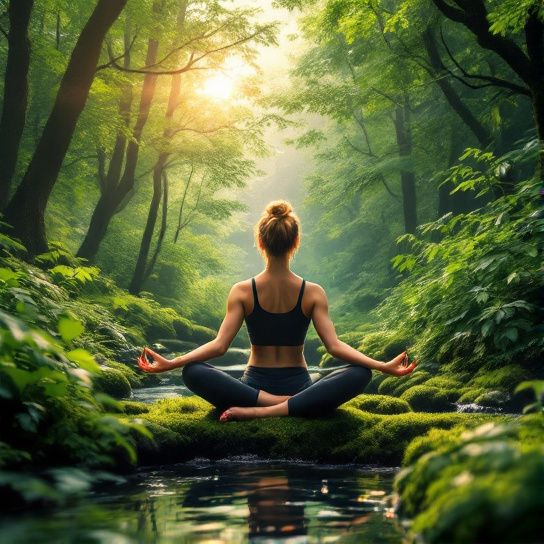
Nutrition’s Role in Hormonal Health
Embrace a Balanced Diet 🍏
The saying “you are what you eat” holds true, particularly when considering hormone balance. Nutrients such as omega-3 fatty acids, vitamins D and B6, and magnesium play significant roles in managing conditions like PMS or metabolic syndrome.
Research from the *American Journal of Clinical Nutrition* suggests that diets rich in fatty fish, lean proteins, vegetables, fruits, and whole grains afford protective benefits. These foods aid in producing and maintaining adequate hormone levels, predominantly by reducing systemic inflammation.
- Example: Capric acid in coconut oil and medium-chain triglycerides (MCTs) bolster thyroid function aiding metabolism, an essential component presented in a Nutrients journal study.
Avoid Endocrine Disruptors
LiveSmart, a recognized health consultancy, emphasizes avoiding products containing phthalates and bisphenol A (BPA). Opt for glass or stainless steel containers and read labels meticulously to minimize exposure.
- Practical Tip: When grocery shopping, consider fresh over packaged foods, or alternatively, choose brands labeled as BPA-free.
Exercise and Hormonal Equilibrium
Strength Training and Aerobic Exercise 🏋️♀️
Engaging in regular physical activity not only improves cardiovascular health but equally impacts hormonal profiles. Strength training increases insulin sensitivity, while aerobic exercise can reduce excess levels of cortisol.
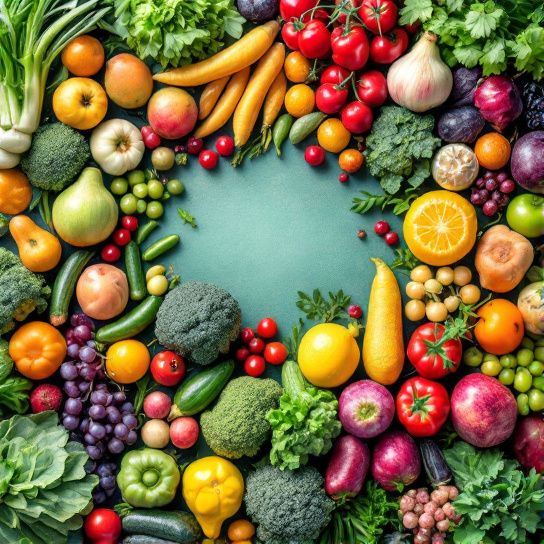
According to a landmark study in the journal *Circulation*, weekly workouts of 150 minutes are associated with substantial improvements in hormonal balance, endorsing a pragmatic exercise regimen combining both resistance and aerobic activities.
- Case Study: A peer-reviewed trial noted improved insulin levels in postmenopausal women who engaged in high-intensity interval training versus those who undertook walking or other low-intensity activities.
Stress Management Techniques
Mind-Body Practices 🧘♂️
Stress prompts cortisol production, impacting overall hormone balance. Techniques like mindfulness meditation, yoga, or Tai Chi have been shown to mitigate both physiological and psychological stress, fostering hormonal harmony.
A *Journal of Clinical Psychiatry* synthesis underscores the benefits of mindfulness in reducing symptoms related to anxiety and depression, conditions heavily associated with hormonal fluctuations.
- Real-World Scenario: An eight-week mindfulness program in a corporate setting led to decreased perceived stress levels by 31% and enhanced work-life satisfaction.
Sleep: The Body’s Restorative Elixir
Prioritize Proper Sleep Hygiene
Quality sleep is indispensable for hormone production and regulation. The circadian rhythm significantly influences hormones like melatonin and cortisol. The *Journal of Sleep Research* illustrates how erratic sleep patterns can trigger hormonal disruptions, advocating for consistent sleep schedules.
- Expert Analysis: Recommendations include disconnecting from electronic devices an hour before bed, practicing relaxation techniques, and maintaining a cool, dark sleeping environment.
Phytotherapy and Natural Supplements
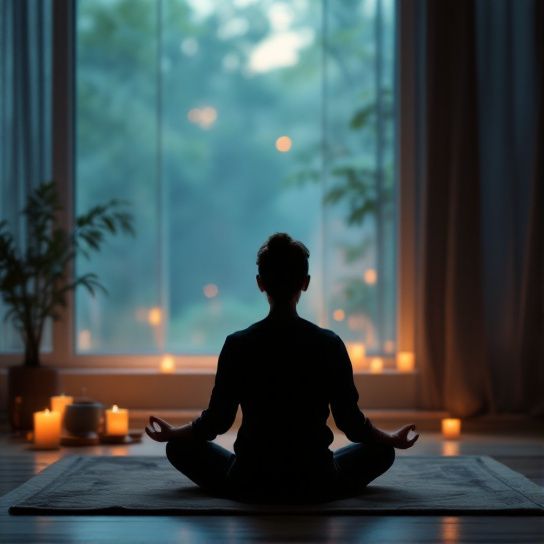
Supplementation with Herbals
Herbal supplements such as ashwagandha, Rhodiola rosea, and reishi mushroom garner interest for their adaptogenic properties. These substances assist the body in modulating stress responses and maintaining cortisol homeostasis.
Clinical examinations, such as those by the *Journal of Ethnopharmacology*, validate ashwagandha’s role in lowering cortisol levels by up to 28%, proving effective in tackling stress-induced hormonal disparities.
- Practical Application: Incorporate these herbs under professional guidance, ensuring interactions with any current medications are avoided.
Standards and Best Practices

Alignment with best practices is integral to implementing natural hormone balance strategies. Organizations such as the *American Endocrine Society* emphasize personalized assessments factoring in lifestyle, health status, and genetic predispositions, dovetailing into tailored interventions.
- Standards: Regular health screenings, such as thyroid panels or fasting insulin tests provide valuable insights into underlying hormonal issues, ensuring targeted action plans.
Conclusion: The Path Forward
In conclusion, understanding how to balance your hormones naturally encompasses a mosaic of lifestyle modifications informed by scientific inquiry. By integrating balanced nutrition, exercise, stress management, and quality sleep, alongside phytotherapy, the disparity in hormonal equilibrium can be methodically addressed.
This comprehensive guide not only highlights the necessity of adaptive strategies but also underscores the potent influence of educated lifestyle choices in achieving and sustaining hormone balance. Embrace these evidenced-based insights, transforming them into daily habits for lasting health and harmony.
Frequently Asked Questions
What are the benefits of using a hair mask in my hair care routine?
Using a hair mask can provide several benefits, including hydration, smoothing, strengthening, curl definition, heat protection, and damage repair. Hair masks infuse the hair with moisture, help coat the hair shaft to seal split ends, reduce breakage, and protect the hair from heat styling and environmental damage[1][4].
What ingredients should I look for in a hair mask?
Effective hair masks often include ingredients such as coconut oil, argan oil, shea butter, honey, avocado oil, green tea, and coconut water. These ingredients provide nourishment, moisturize, and protect the hair, offering benefits like softening, moisturizing, and protecting against damage[2][5].
How often should I use a hair mask in my routine?
You should use a hair mask whenever your hair feels dry, unmanageable, or in need of intense hydration. This can vary depending on your hair type and needs, but generally, using a hair mask once or twice a week can help maintain healthy and moisturized hair[1][4].
How do I apply a hair mask for the best results?
To apply a hair mask effectively, shampoo your hair first, then apply the mask, focusing especially on the ends where hair tends to be the most damaged. Leave the mask on for anywhere from 10 minutes to overnight, depending on the type of mask and your hair’s needs[1][4].
References![[Natural Reset] Backed-by-Science Hormone Balancing Tips](https://hormonehealthqueen.com/wp-content/uploads/2025/05/balanced_hormones_feature-150x150.jpg)
![[Natural Reset] Backed-by-Science Hormone Balancing Tips](https://hormonehealthqueen.com/wp-content/uploads/2025/05/vitamins_for_hormonal_imbalance_feature-150x150.jpg)