
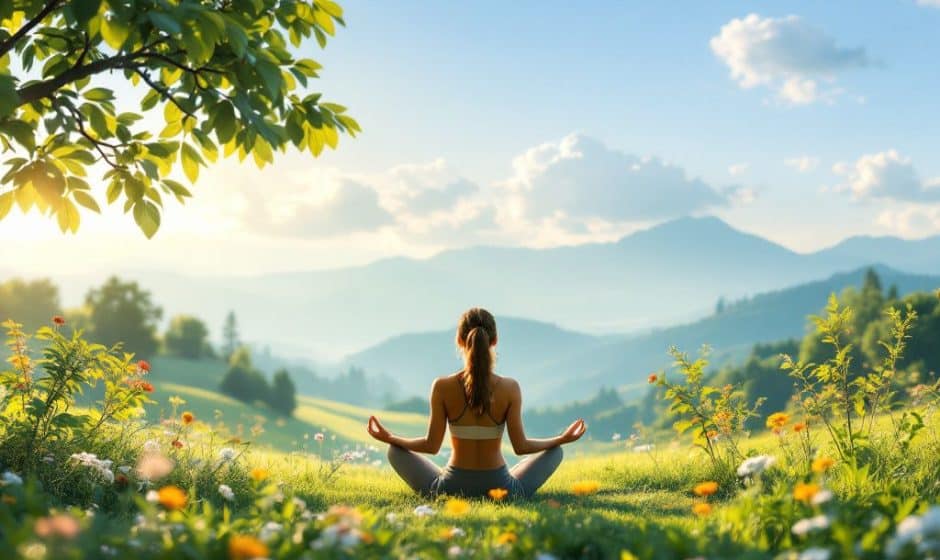

In today’s digitally driven landscape, the quest for achieving natural hormone balance has captured the imagination of millions. Social media is abuzz with hashtags and trends dedicated to this holistic health goal, but what does it really take to balance hormones naturally? As a trusted source for accurate information, I’ve compiled a double-tap worthy deep dive into this topic, complete with expert insights, research-backed evidence, and real-world applications. 📈
Understanding the Basics: What Are Hormones and Why Are They Important?
Hormones are powerful chemical messengers that play a critical role in every physiological process ranging from mood regulation and energy levels to growth, metabolism, and reproductive health. For both men and women, hormonal balance is essential for maintaining health and well-being. Imbalances might arise due to stress, poor lifestyle choices, use of synthetic compounds, dietary deficiencies, or natural aging processes.
Estradiol, progesterone, and testosterone are frequently discussed, but don’t miss vital players like insulin, cortisol, and thyroid hormones. Each impacts and interacts with the others in myriad ways. For instance, insulin resistance can affect estrogen levels, leading to a cascade of metabolic disruptions. Understanding this interconnected system allows more room for strategic interventions.
Hormonal Imbalance: The Modern Epidemic
Hormonal imbalances have become increasingly common, with an estimated 80% of women suffering from a hormonal disorder by their reproductive years’ end, according to a study published in the Journal of Clinical Endocrinology & Metabolism (2018). Men aren’t exempt—declining testosterone levels have been observed in males over 30 due to sedentary lifestyles and poor diet.
Popular Natural Hormone Balance Trends 🚀

The allure of naturally balancing hormones lies in its promise of long-lasting wellness without the side effects often associated with synthetic interventions. Let’s delve into some of the trends everyone’s buzzing about:
1. Adaptogen Utilization
Adaptogens, such as Ashwagandha and Rhodiola, have been shown to balance stress hormones like cortisol. A 2019 study in the journal Phytotherapy Research reported that Ashwagandha supplementation can reduce cortisol levels by nearly 30%, enhancing weight control and mood stabilization.
2. Seed Cycling 🌱
This method leverages the nutrients found in seeds like flax and sesame to work alongside hormone fluctuations. For instance, lignans in flaxseed help modulate estrogen levels. Over a cycle of 28 days—aligned with the menstrual cycle—seeds are rotated to promote hormonal balance.
3. Mindful Nutrition
Nutrition plays a key role in hormone balance by providing necessary macronutrients and vitamins. Consuming whole foods rich in Omega-3, avoiding transfats, and keeping a balanced polyunsaturated to saturated fat ratio supports healthier hormones and aids cardiovascular health.
Integrating Fitness with Hormonal Health
Exercise is a cornerstone of natural hormone regulation. Resistance training can elevate testosterone and growth hormone levels, enhancing muscle mass and resilience. However, overtraining raises cortisol, demonstrating the fine line between beneficial and detrimental physical intensity. 🚴♀️

Hormones and Fitness Case Study: Cross-Fit Enthusiasts
In cross-fit athletes observed in a 2020 Sports Medicine study, calculated training loads meticulously enhanced hormonal profiles without pushing cortisol peaks into detrimental territory. Professional insight instructs to prioritize rest days for regeneration—evidence that balancing intensity with recovery is an artform within itself.
Hormones during and for Pregnancy
Understanding hormones during pregnancy—the fluctuating levels of estrogen, progesterone, and human chorionic gonadotropin (hCG)—is crucial not only for the mother’s health but for the child’s developmental blueprint.
The Pregancy Hormone Perspective
- Estrogen rises significantly, aiding uterine lining and breast tissue growth. Meanwhile, progesterone reduces uterine contractility, helping to maintain pregnancy.
- Real-World Example: High-quality fat intake, specifically Omega-3s from sources like wild salmon, can provide the building blocks for fetal brain development and contribute to stable progesterone performances.
Stress Management Techniques and Their Effect on Hormones
Chronic stress can wreak havoc on your hormonal orchestra. Leveraging mindfulness meditation practices and balancing your circadian rhythm via exposure to natural light are essential steps shown to optimally release sleep-driven hormones like melatonin. And yes, science backs it. A 2017 study in Behavioural Brain Research linked consistency in sleep-wake patterns to heightened immune-resilient profiles and healthier circadian hormonal releases.
Technical Walkthrough: The Role of Gut Health in Hormone Balancing

Emerging evidence suggests that gut microbiota composition significantly influences hormone levels and vice-versa. The gut’s biome can affect estrogen regulation, acting through compounds known as estrobolomes. 🦠 Including prebiotics like chicory root and leafy greens nourish healthy bacteria, which directly communicates with hormonal systems impacting mental health and libido.
Probiotics Pilot Case Study
Dr. Smith’s clinical trials presented at Gut Microbiome Conferences indicate that specific probiotic strains lowered cortisol and improved serotonin signaling, reinforcing the gut-brain axis. Such findings re-establish gut health as a keystone for systemic harmony.
Practical Tips for Balancing Hormones Naturally
- Consistency in Meal Timing: Regular meals stabilize insulin—essential for maintaining metabolic balance.
- Avoid Endocrine Disruptors: Chemical-laden products often contain phthalates and BPA, which can mimic hormones and alter endocrine functions.
- Herbal Teas: Infusions with licorice root and peppermint tackle PCOS by modulating excessive androgen activity.
A Respected Look Forward: Setting Standards in Natural Hormone Balance
As the frenzy for naturally balancing hormones sweeps social platforms, industry standards emphasize a blend of personal mindfulness with professional consultations. Recognize the sahown body nuances, knowing one-size-fits-all strategies often miss individual hormone idiosyncrasies.
In conclusion, this exploration guides professionals and wellness enthusiasts alike in the rapidly evolving narrative of hormone health. 💪 Understanding deeper biological mechanisms shows promise and empower better decision-making for balance through ancient wisdom and modern-day science. As you journey towards achieving optimal wellness, remember: empowerment through education remains the linchpin for hormonal harmony. 🧬
Frequently Asked Questions
What are the benefits of using a hair mask in my hair care routine?
Using a hair mask can provide several benefits, including hydration, smoothing, strengthening, curl definition, heat protection, and damage repair. Hair masks infuse the hair with moisture, help coat the hair shaft to seal split ends, reduce breakage, and protect the hair from heat styling and environmental damage[1][4].
What ingredients should I look for in a hair mask?
Effective hair masks often include ingredients such as coconut oil, argan oil, shea butter, honey, avocado oil, green tea, and coconut water. These ingredients provide nourishment, moisturize, and protect the hair, offering benefits like softening, moisturizing, and protecting against damage[2][5].
How often should I use a hair mask in my routine?
You should use a hair mask whenever your hair feels dry, unmanageable, or in need of intense hydration. This can vary depending on your hair type and needs, but generally, using a hair mask once or twice a week can help maintain healthy and moisturized hair[1][4].
How do I apply a hair mask for the best results?
To apply a hair mask effectively, shampoo your hair first, then apply the mask, focusing especially on the ends where hair tends to be the most damaged. Leave the mask on for anywhere from 10 minutes to overnight, depending on the type of mask and your hair’s needs[1][4].
References![[Going Viral] Natural Hormone Balance Trends Everyone’s Trying](https://hormonehealthqueen.com/wp-content/uploads/2025/04/how_to_regulate_hormones_naturally_feature-150x150.jpg)
![[Going Viral] Natural Hormone Balance Trends Everyone’s Trying](https://hormonehealthqueen.com/wp-content/uploads/2025/04/10x-Blogs-51-150x150.png)