
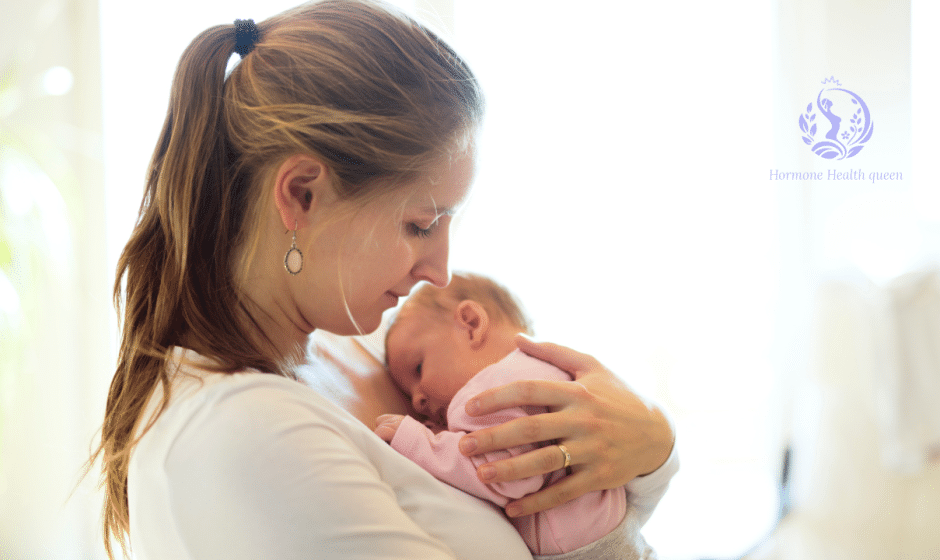

You brought a new life into the world. The hardest part is over… right?
Not quite.
While the physical labor may be behind you, a different kind of transformation is just beginning — and it’s happening from the inside out. Hormones after birth shift dramatically, affecting your body, emotions, skin, metabolism, and even brain function.
If you’ve felt overwhelmed, weepy, wired, or unlike yourself postpartum, you’re not alone. Understanding these hormonal changes is the first step in reclaiming your body and mind after childbirth.
In this guide, we break down what really happens to your hormones after birth, the symptoms to expect, and how to support your recovery with confidence.
Why Hormones Matter After Birth
Hormones are your body’s messengers — they regulate everything from energy levels and mood to breast milk production and uterine healing. During pregnancy, hormone levels surge to support the growing baby. But after birth, these levels plummet.
The result? A biological rollercoaster that affects every new mom in unique ways.
The Estrogen & Progesterone Crash
What Happens:
Within 24 hours of giving birth, levels of estrogen and progesterone — which were sky-high during pregnancy — drop dramatically. These changes can:
- Trigger postpartum mood swings
- Cause night sweats and hot flashes
- Affect skin texture, elasticity, and hydration
How It Feels:
You may feel like your emotions are all over the place, especially during the first 1–2 weeks postpartum. This is often called the “baby blues,” and it’s incredibly common.
What You Can Do:
- Prioritize hydration and rest
- Eat estrogen-supportive foods like flaxseed, leafy greens, and fermented foods
- Consider gentle herbal support (ask your provider about red raspberry leaf or ashwagandha)
Prolactin: The Milk-Making Hormone
What Happens:
Prolactin spikes after birth to stimulate milk production. It also suppresses estrogen and ovulation, which can affect your period, libido, and vaginal health.
Symptoms to Expect:
- Sore breasts or engorgement
- Irregular or absent periods
- Low libido or vaginal dryness
- Increased emotional sensitivity
What You Can Do:
- Breastfeed or pump consistently to regulate prolactin
- Use a vaginal moisturizer or consult your doctor about estrogen cream if dryness is painful
- Don’t worry if your period takes months to return — it varies for every mom
Oxytocin: The Love Hormone
What Happens:
Every time you nurse or hold your baby, oxytocin is released. It helps with bonding, milk let-down, and emotional connection — but can also make you more emotionally sensitive.
What It Feels Like:
- Bursts of love or intense emotion
- Crying unexpectedly
- Overwhelm in noisy or crowded situations
What You Can Do:
- Skin-to-skin contact helps boost oxytocin
- Let your support system step in when needed
- Journaling and talking with other moms can normalize the emotional ups and downs
Cortisol & Adrenal Fatigue

What Happens:
Cortisol, your body’s main stress hormone, may remain high after birth — especially if delivery was traumatic, sleep is lacking, or your support is low. Over time, this can lead to adrenal fatigue.
Symptoms of Hormonal Burnout:
- Persistent fatigue even after rest
- Feeling “wired but tired”
- Sugar cravings
- Mood swings or anxiety
What You Can Do:
- Nap when you can, and skip unnecessary obligations
- Limit caffeine — it worsens adrenal imbalance
- Try adaptogens like rhodiola or holy basil (doctor-approved)
- Ask for help — emotional and physical recovery is just as important as baby care
Thyroid Hormone Disruptions
What Happens:
Some women experience postpartum thyroiditis, where thyroid hormone production becomes abnormal for a period of months. It may go unnoticed — or be mistaken for “just tired mom stuff.”
Signs of Thyroid Imbalance:
- Hair loss beyond normal postpartum shedding
- Weight changes
- Constipation or sluggish digestion
- Mood dips or anxiety
What You Can Do:
- Ask your doctor for a TSH, T3, and T4 thyroid panel
- Focus on iodine-rich foods (seaweed, eggs, yogurt)
- Support your gut — thyroid function and digestion are closely linked
Insulin & Blood Sugar Sensitivity
What Happens:
If you had gestational diabetes or insulin resistance during pregnancy, your postpartum insulin levels may take time to normalize — or remain elevated.
Signs of Blood Sugar Imbalance:
- Energy crashes
- Sugar cravings
- Dizziness or lightheadedness
What You Can Do:
- Eat small, balanced meals with protein + fiber
- Limit sugar, soda, and refined carbs
- Add cinnamon, apple cider vinegar, or magnesium to support insulin sensitivity
What About Postpartum Hair Loss?
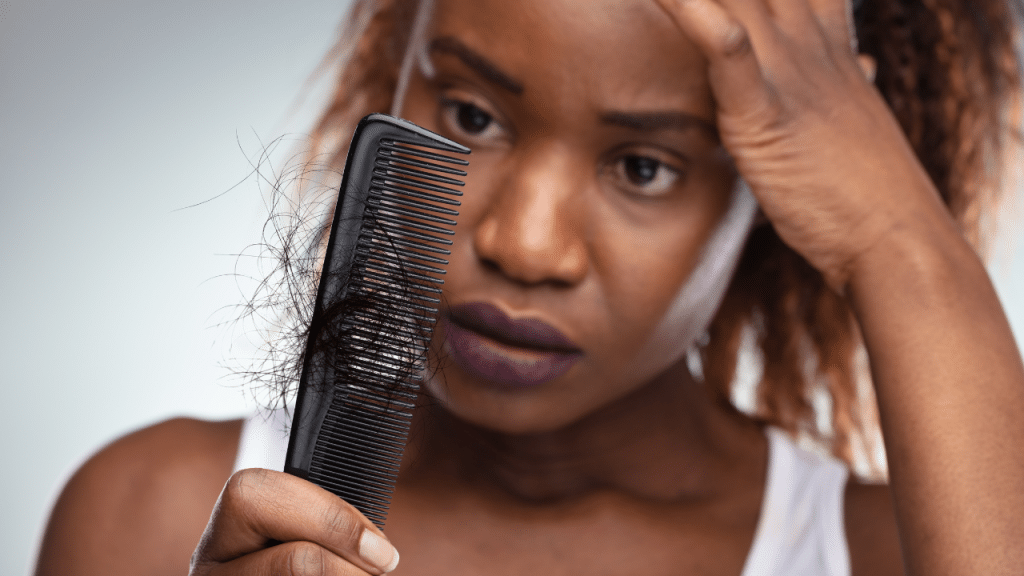
Hormones after birth — especially falling estrogen and thyroid changes — cause many women to shed hair dramatically around months 3–5 postpartum.
It’s normal and temporary, but can be distressing.
To support hair regrowth:
- Eat protein- and iron-rich foods
- Take biotin and collagen (breastfeeding-safe)
- Avoid tight hairstyles and excessive brushing
- Be gentle with yourself — your body is healing
When to Seek Help for Postpartum Hormone Imbalance
While emotional ups and downs are normal, some signs may indicate a deeper issue — like postpartum depression (PPD), anxiety, or thyroid dysfunction.
Talk to your doctor if you experience:
- Sadness or hopelessness lasting longer than 2 weeks
- Intense mood swings or panic attacks
- Loss of interest in baby or daily life
- Difficulty bonding with baby
- Thoughts of harming yourself or others
There is no shame in asking for help. Hormones after birth can cause serious mental health shifts — and you deserve care, not silence.
Hormone-Friendly Habits to Support Recovery
- ✅ Nourish with Whole Foods
Eat plenty of colorful vegetables, healthy fats, lean proteins, and healing broths. - 😴 Prioritize Rest Over Productivity
Sleep regulates hormones. Accept help. Dishes can wait. - 💧 Stay Hydrated
Especially if you’re breastfeeding. Aim for 8–12 glasses daily. - 🧘♀️ Move Gently
Walking, stretching, or gentle yoga support circulation and hormone balance. - 💬 Create a Safe Support System
Vent. Cry. Laugh. Share. Don’t isolate yourself — community is healing.
FAQs: Hormones After Birth
Q: How long does it take for hormones to balance after birth?
A: Most women experience hormone shifts for 6–12 months postpartum. Some symptoms improve within weeks, others may last longer depending on breastfeeding, health, and stress.
Q: Can I get hormone testing postpartum?
A: Yes. Especially if you’re dealing with fatigue, mood changes, or period irregularities. Ask for a full hormone panel including thyroid markers.
Q: Is it normal to feel overwhelmed or anxious after birth?
A: Yes, especially in the first 2 weeks. But if symptoms are severe or persistent, seek help immediately.
Q: Do hormones change even if I don’t breastfeed?
A: Yes. Hormone shifts occur regardless of feeding choice, though timing and intensity may differ.
Conclusion
The weeks and months after birth are filled with joy, exhaustion, transformation — and massive hormonal change. Understanding what happens to your hormones after birth helps you feel more in control, less alone, and better equipped to care for yourself.
Remember: You’re not just healing physically — you’re recalibrating your entire internal system.
Give yourself grace. Listen to your body. And don’t be afraid to ask for help.
You brought life into this world. Now it’s time to nurture yourself too.
✅ CTA
Explore more expert-backed postpartum hormone guides at HormoneHealthQueen.com
Follow us on Instagram, TikTok, and Pinterest for more tips, mom stories, and recovery support