


Navigating the complex landscape of hormone replacement options can be as baffling as deciphering an ancient script. Whether it’s due to menopause, hormonal imbalances, or any of the myriad conditions that affect hormone levels, the decision to explore hormonally-based remedies is life-changing. Fortunately, substantial research provides us with a detailed roadmap. In this comprehensive review, you’ll find an authoritative guide to hormone replacement backed by the latest scientific insights and industry standards.
Understanding Hormones and Their Role 🧬
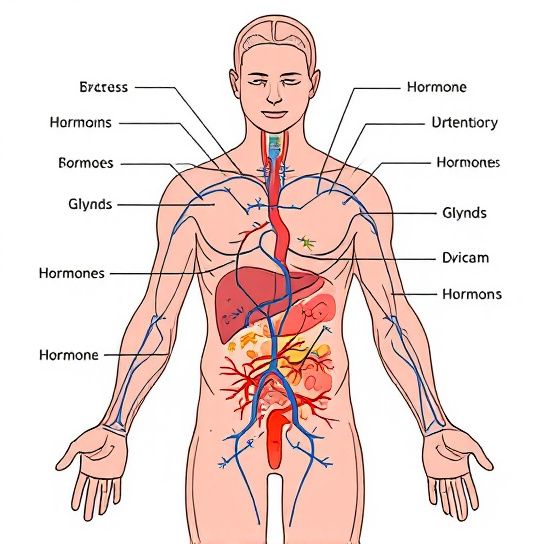
To fully grasp the complexities of hormone replacement therapies (HRT), it’s essential to understand the basic function of hormones. Hormones are biochemical messengers that travel through your bloodstream to tissues and organs, affecting numerous physiological processes. Key hormones like estrogen, progesterone, and testosterone play pivotal roles in maintaining bodily functions and overall health.
Hormone Types and Functions
- Estrogen: Predominantly known as a female hormone, estrogen regulates various reproductive functions and has protective roles in heart health and bone integrity.
- Progesterone: Works exceedingly well with estrogen, playing critical roles in menstrual cycle regulation and pregnancy.
- Testosterone: Though often perceived as a male hormone, it is also essential for female hormone balance and contributes to strength, libido, and energy levels.
The Need for Hormone Replacement 🌿
Hormone levels naturally decline with age, and this can be exacerbated by medical conditions or surgery (e.g., hysterectomy or oophorectomy). Low hormone levels are associated with symptoms like hot flashes, mood swings, memory fog, or a lowered libido. Consequently, hormonally-driven interventions can bring significant relief and restore balance.
Symptoms of Hormonal Imbalance
- Frequent mood swings
- Insomnia or sleep disturbances
- Unexplained weight gain or loss
- Reduced bone density
Overview of Hormone Replacement Options

The umbrella of hormone replacement covers several options—each with its pros, cons, and specific applications. These therapies can be synthesized (conventional HRT) or derived from plant sources (bioidentical hormones).
1. Conventional Hormone Replacement Therapy (cHRT)
Conventional HRT includes synthetic estrogen and progesterone (progestin). Among the most widely studied treatments, it boasts substantial data supporting its efficacy against hot flashes and other menopausal symptoms. However, it isn’t without risks.
Research Insights
A seminal study conducted by the Women’s Health Initiative (WHI) highlighted the increased risk of breast cancer and cardiovascular events in women undergoing cHRT. Although later reevaluations softened these conclusions, the initial study forever altered the landscape of hormone replacement.
2. Bioidentical Hormone Replacement Therapy (BHRT) 🌺
Derived from plant sources, bioidentical hormones have a chemical identicalness to those your body naturally produces. They are often lauded for being ‘natural,’ though this doesn’t automatically mean safer.
Research Insights
Some smaller studies have posited that BHRT might present fewer risks than its conventional counterparts. A study in the journal *Post Reproductive Health* indicated that compounded bioidentical hormones showed fewer side effects, such as a lower impact on clotting factors. Nevertheless, a lack of large randomized controlled trials limits definitive conclusions about long-term safety.
3. Non-Hormonal Alternatives
Lifestyle modifications and non-hormonal medications can also play significant roles in managing hormone-related conditions. These can sometimes serve as either a primary treatment or an adjunct.
Research Insights
For instance, a systematic review in *The Journal of Clinical Endocrinology & Metabolism* pointed out that daily intake of soy foods, rich in phytoestrogens, can help reduce some symptoms of menopause. Cognitive Behavioral Therapy (CBT) has also proven effective in improving mood-related symptoms.
Personalized Approaches and Customization
When considering hormone replacement, it’s crucial to adopt a personalized treatment paradigm. Consult with a healthcare professional who specializes in endocrinology or integrative medicine to tailor a treatment plan respecting individual history and symptoms.
Case Study Spotlight 🔍
A clinical study showcased personalized hormone treatments’ efficacy by comparing women on customized BHRT and conventional oral estrogens. The BHRT group reported higher satisfaction and had significantly fewer side effects. This affirms the benefits of a personalized, data-driven approach to hormone management.
Real-World Application: A Step-by-Step Guide
Understanding that the path to achieving hormone balance is multi-faceted, let’s break down the process:
Step 1: Comprehensive Medical Evaluation
Before initiating any hormone replacement therapy, a thorough medical examination is essential. Blood tests analyzing hormone levels will shape your action plan.

Step 2: Risk-Benefit Analysis
Discuss both qualitatively and quantitatively the potential benefits versus risks. This will involve assessing personal health history, predispositions, and lifestyle.
Step 3: Exploring Options
Consult your doctor to explore all available options, including their mechanisms, possible interactions, and long-term prospectus. Consider bringing questions regarding the option for topical vs oral intake, dosage variations, and periodic evaluations.
Step 4: Engagement and Monitoring 📈
A successful hormone replacement strategy involves regular follow-ups and adjustments. It’s imperative to log any changes observed—both positive and adverse—and communicate them.

Future Trends and Conclusions
Hormone therapy is continually evolving with emerging alternative treatments spearheaded by innovations in biotechnology and personalized medicine. Groundbreaking research points towards safer, more tailored therapeutic options involving gene-centric approaches and advanced biotechnologies.
In summary, navigating hormone replacement requires a conscientious approach that considers all available evidence and employs personalization as a cornerstone to effective treatment. Fortify yourself with knowledge and trusted professional insight.
With prudent choices and strategies, hormone balance and optimal health are not just attainable—they are sustainable. Our understanding of hormone replacement continues to deepen, reinforcing a science-backed foundation everyone can stand on for improved health outcomes.
To knowledge that empowers comfort and balance—here’s to living your best life harmonized and revitalized. 💪
Frequently Asked Questions
What are the benefits of using a hair mask in my hair care routine?
Using a hair mask can provide several benefits, including hydration, smoothing, strengthening, curl definition, heat protection, and damage repair. Hair masks infuse the hair with moisture, help coat the hair shaft to seal split ends, reduce breakage, and protect the hair from heat styling and environmental damage[1][4].
What ingredients should I look for in a hair mask?
Effective hair masks often include ingredients such as coconut oil, argan oil, shea butter, honey, avocado oil, green tea, and coconut water. These ingredients provide nourishment, moisturize, and protect the hair, offering benefits like softening, moisturizing, and protecting against damage[2][5].
How often should I use a hair mask in my routine?
You should use a hair mask whenever your hair feels dry, unmanageable, or in need of intense hydration. This can vary depending on your hair type and needs, but generally, using a hair mask once or twice a week can help maintain healthy and moisturized hair[1][4].
How do I apply a hair mask for the best results?
To apply a hair mask effectively, shampoo your hair first, then apply the mask, focusing especially on the ends where hair tends to be the most damaged. Leave the mask on for anywhere from 10 minutes to overnight, depending on the type of mask and your hair’s needs[1][4].
References![[Replacing Hormones?] What Research Actually Says Works Best](https://hormonehealthqueen.com/wp-content/uploads/2025/04/10x-Blogs-21-150x150.png)
![[Replacing Hormones?] What Research Actually Says Works Best](https://hormonehealthqueen.com/wp-content/uploads/2025/04/menopause_hormone_imbalance_feature-150x150.jpg)