
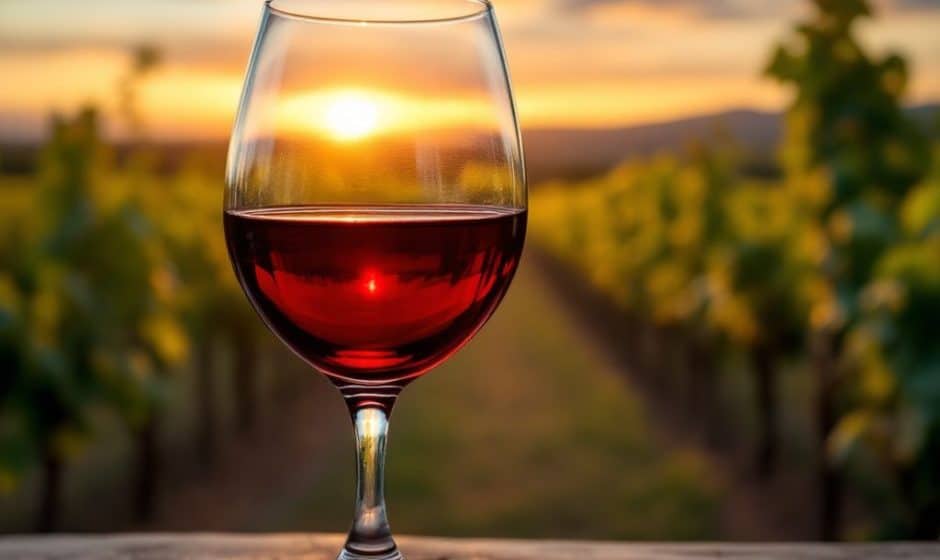

You might be sitting there, a glass of your favorite red wine in hand, and wondering, “What do hormones have to do with enjoying my wine?” Well, more than you might think. This might intrigue you—there’s a deeper connection between what we sip, how it affects us, and the surprising role played by those tiny chemicals in our bodies: hormones. Hormone regulation isn’t just for serious health chats—it plays into the savor and sip of life, adding a layer to how experts like sommeliers approach beverages. Intrigued? Let’s delve into the swirling dance of hormones, wine, and wellness.
Understanding the Hormonal Dance in Wine Tasting
How Hormones Affect Taste and Enjoyment
Now, grabbing that trusted bottle isn’t just about making your taste buds dance—it’s also about chemistry. You see, your taste buds and brain work in concert—a symphony directed by hormones. These little chemical messengers in your body influence everything from hunger to mood, even impacting how you perceive the flavors in your glass.
Ever wondered why some days that Chardonnay tastes heavenly, whereas other times, it’s just off? Hormones like dopamine splash into the mix, affecting how wine experts—sometimes known as sommeliers—engage with the wine they recommend. Like a hidden conductor, these hormones regulate satisfaction and flavor preferences.
The Role of Hormone Regulation
Hormone regulation isn’t just a backstage player though; it’s center stage too. Proper hormone balance can fine-tune our sensory responses, improving wine enjoyment. If you’re curious how to harness this, keep reading. By focusing on balanced lifestyle choices, your body’s natural set point elevates your wine experience, making each pour feel perfect, every time.
Hormones and Wine: A Sip-by-Sip Science

Breaking Down Wine Components
Let’s geek out a bit. When wine experts engage with wines, they break down complex notes—acidity, tannin, sweetness—which directly interact with our bodily systems. Each sip sets off a reaction much like an elegant series of dominos. Imagine the interaction of wine with your hormones as a well-executed dance—it’s nuanced, complex, yet completely intuitive.
Tannins bring texture, acidity adds freshness, while sweetness balances these elements. As these compounds hit your tongue, hormone levels can influence how you detect and feel their presence—just because you’re tasting doesn’t mean it’s only on the surface. Your body is constantly signaling its preferences back and forth, almost like feedback loops in perfectly choreographed cycles.
Hormones Impacting Wine Experience
Let’s spill the beans—or in this case, the wine. Cortisol, often dubbed the ‘stress hormone,’ can swing your wine interactions from cozy delight to distracted tension. So, how do you ensure stress doesn’t steal the show next happy hour? Mindfulness and routine can shift your hormone levels into harmony just in time to savor that vintage Merlot.
Estrogen and testosterone can particularly alter taste, sensitivity, and pleasure derived from what we consume. Next wine tasting, pay attention to how you feel—there might be more internal dialogue happening than you realize, thanks to your own chemical cocktail!
Wine Expert Health: Role of Hormones in Well-being
Emphasizing Brain Hormones
Here’s a tidbit: serotonin and dopamine don’t just regulate moods but are pivotal when you explore new wines. Besides serotonin’s chill-it’s-all-good vibe, dopamine triggers that thrilling rush of pleasure upon discovering a novel note. Keeping these hormones stable creates a reliable palette for joyful experiences, making exploratory tastings positively delightful.
Sommeliers often have an intuitive grasp of this; they mindfully connect their physical selves to their emotional and intellectual engagements with wine, creating a systemic backdrop against which a wine’s pitch-perfect notes resonate clearly.

Managing Mental Health Through Wine
Mental health isn’t something you’ll just brush off—after all, it influences everything. Moderate wine enjoyment becomes harmonious with mood regulation, when handled mindfully. Instead of seeing wine and wellness as separate paths, consider them winding together down a single road, where each supports the other.
Connecting this with mindful consumption proceeds optimally when paired neatly with meditation or relaxation techniques—awakening true enjoyment deeply aligned with health. Enter the world of ASMR wine tasting. Ever tried it? The symphonic swirling, the whispers of pouring. Not only will you engage another sense, but it can be incredibly soothing.
Step-by-Step: Balancing Hormones for a Perfect Sip
- Practice Mindful Drinking. Turn off the phone, dim the lights. Sitting with a glass of wine while breathing deeply can connect you more fully to the experience, preparing your hormones to fire on all enjoyable cylinders.
- Consistent Sleep Patterns. Reliable rest could double your drinking pleasure. Sleep creates a baseline for healthy hormone levels, fostering regenerative cycles essential for taste appreciation. It’s not just about wine but also about body synergy.
- Physical Activity. Ever heard how endorphins fuel the good stuff post-exercise? They can enhance flavor reception too, bringing forward delicate notes and nuances. Enjoy that glass post-jog and catch the flavor bouquet riding high.
- Balance Your Intake. Sometimes, a little brake is good. Moderate, rather than heavy drinking patterns tend to keep happy hormones in check. Opt for quality over quantity, savoring each nuance rather than rushing through glasses.
- 5. **Explore New Varieties. Novelty spikes dopamine as you engage intellectually and emotionally with tasting notes. Try that curious white, and let your BRAIN launch the complex flavors in entirely different chapters.
Tables – Hormones That Affect Wine Experience

| **Hormone** | **Impact on Wine Experience** |
|---|---|
| Dopamine | Elevates pleasure and reward perception |
| Cortisol | May hinder appreciation due to stress |
| Serotonin | Promotes calm, positive flavors recognition |
| Melatonin | Regulates relaxation necessary for indulgence |
Back to Basics: Understanding Your Responses
Everyone operates with unique hormonal baselines; frequently what is transformative can be subtle. Bottles speak differently depending on their human receptor—YOU. Customizing your approach builds upon initial sommelier guidance, evolving from mere taste to holistic immersion.
Circle back to past favorites, paying attention with this gained knowledge. Does the Shiraz enrich newfound depths of complexity? Maybe, you’ve unlocked more through mindful sync with your bodily cues—which is an increasing mechanism of joy in enjoying wine.

Conclusion: Sip With Hormonal Harmony in Mind
Connecting wine enjoyment with hormone regulation isn’t just science or art—it’s a blend of both. With an insider understanding of how these processes impact your overall beverage appreciation, there’s no reason it can’t become a cornerstone in wine tasting.
Remember, this isn’t about perfectly polished experiences but growing richer through the organic symphony of wine, hormones, and self-awareness. Next time you’re at your favorite wine tasting event, consider the backstory being told—in measures not just of taste, but physiological and emotional interactions.
The journey into refined and cozy elegance awaits, armed with this new blend of knowledge. Go on, pour another glass, indulge, and let those natural harmonies sing. Trust me on this one, your next sip is a balanced serenade. Cheers!
Frequently Asked Questions
What causes a hormonal imbalance?
A hormonal imbalance can be caused by natural changes or stages in your life, including puberty, pregnancy, perimenopause, and menopause. Other factors such as genetics, aging, increased daily stress, and certain medical conditions like tumors or autoimmune diseases can also contribute to hormonal imbalances[2][3][5>.
What are the signs and symptoms of a hormonal imbalance?
Signs and symptoms of a hormonal imbalance can include irritability and fatigue, mood swings and depression, skin dryness and loss of elasticity, water retention and weight gain, osteoporosis and joint pain, less interest in sex, insomnia and other sleep disorders, and memory issues and difficulty concentrating[2][3][5>.
How can hormonal imbalances be treated?
Treatment for hormonal imbalances often involves hormone replacement therapy (HRT), which can include systemic hormone therapy, low-dose vaginal products, or bioidentical hormone replacement therapy. Additionally, lifestyle changes such as managing stress levels, getting routine exercise, and following a healthy diet can help manage hormonal imbalances. In some cases, medication, surgery, or radiation therapy may be necessary depending on the underlying cause[2][3][5>.
How can I maintain hormonal balance through lifestyle changes?
Maintaining hormonal balance can be achieved through optimal fitness and nutrition, stress reduction plans, and high-quality supplements. Regular exercise, a balanced diet, and managing stress levels are crucial in supporting hormonal health. Additionally, getting comprehensive medical guidance and undergoing necessary tests can help in identifying and addressing hormonal imbalances[1][3][5>.
References