
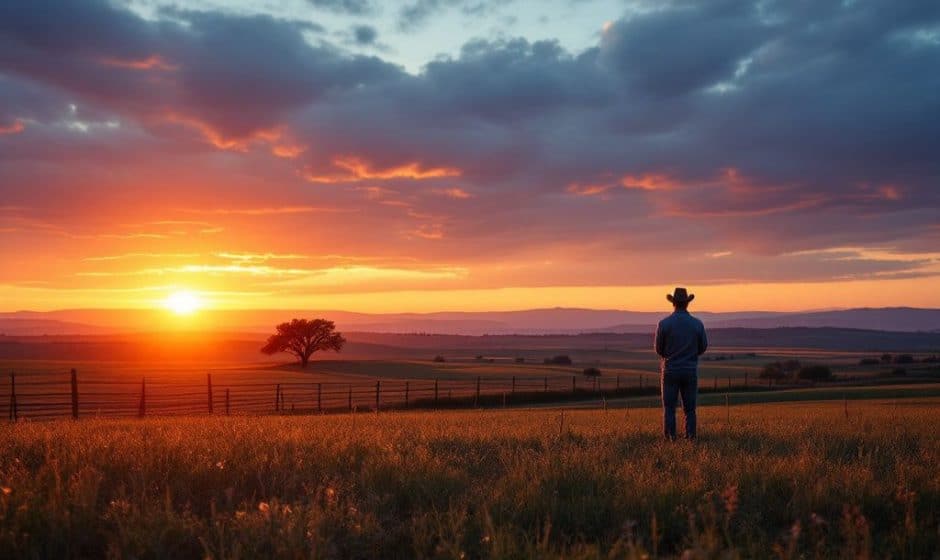

Hey there, fellow ranchers! Imagine this: You’ve just finished a long day out in the fields, your muscles are tired, and all you want is some good rest. But instead, you find yourself anxious, tired yet wired, or maybe just not feeling your best. Sounds familiar? Let’s chat about how hormone regulation can be your best buddy and how this ties closely with the physical labor we do every day on the farm. There’s a rural twist to this tale, so stick around.
Living the Ranch Life
First, let’s talk a bit about our life out here in the fields and why hormone regulation is a critical, sometimes overlooked aspect of it. Running a ranch is no walk in the park—it’s a full-circle routine of rising with roosters, manual plowing, herding cattle, fixing fences and all those hands-on tasks that require not just muscle but a well-oiled biological system.
The Work We Do is Physically Demanding
Sure, the clean country air, wide-open spaces, and the satisfaction of a job well done have their perks, but the physical labor health demands require us to be in top shape. Enter hormones, which believe it or not, are the unsung heroes that seep into your daily performance and mood. A rancher’s body produces a unique symphony of hormones due to the everyday strain.
What Happens When Hormones Go Haywire?
When hormone regulation falters, you’ll likely start noticing changes. Maybe waking up feels like pushing a tractor uphill, or you’re experiencing dips in energy and focus. Stress can ride along with these irregularities. But the good news? Our environment itself holds clues to how we can support these crucial hormone-driven processes.

A Deep Dive into the Hormones at Play
Diving right into it, let’s talk about some key hormones and why keeping them in balance should be on your radar:
- Cortisol: Known as the stress hormone. Too much, and you end up on high alert, too little, and fatigue creeps in.
- Testosterone and Estrogen: Not just for reproduction, these are intricate players in muscle strength and recovery, essential for repairing your body from daily ranch labor.
- Insulin: Regulates blood sugar, meaning it’s pivotal in providing the consistent energy you need to hunt down those stray cattle.
Understanding the roles of these hormones and others is the first step in tailoring your lifestyle to ensure they’re working in harmony.
Hard Work and Hormone Regulation
So, where do we start in this complex play of biology and manual work? Let’s explore a few rancher-specific practices that pack a punch when it comes to supporting hormone regulation that are both practical and realistic.
Stress Management Under the Open Sky
Stress bites—literally and figuratively. Cortisol isn’t shy about making an entrance when stress hits, leading to hormonal chaos if not kept in check. With a setting such as ours, the backdrop itself might provide part of the solution. Working under the grand sky, taking moments to just breathe in the vast beauty can lower stress in tangible ways. Pay attention to those breathtaking sunrises and sunsets; they’ve earned their popularity for more than just Instagram posts.

Optimizing Natural Movements for Hormone Balance
Here’s a refreshing take: Trust me, hauling bales of hay day in and day can be your fitness routine that aids gentle hormone regulation. Look at these rustic activities—walking, squatting, lifting—in the context of keeping testosterone levels balanced. Plus, vary your tasks! Mixing it up helps maintain an equilibrium, ensuring your muscles aren’t just used but rejuvenated daily.
Enjoying Nutrient-Dense, Wholesome Eating
When mealtimes are balanced in our rural lifestyle, grabbing the right food isn’t just about satiation—it’s strategic fuel for hormone harmony. Here’s what you may consider:
- Whole Grains: Provide the slow-release energy to keep insulin levels stable.
- Lean Proteins and Eggs: Bring the gusto for muscle repair and hormone production.
- Vitamin Rich Greens and Dairy: Aid everything from mood stability to bone health, a must when bones are your pillars in heavy lifting.
It’s not about counting every nutrient morsel but ensuring a diet reflective of our laborious rural palette, rich with wholly good ingredients.
The Secret Sauce to Hormone Care—Good Ol’ Rest

No rancher will argue about the value of a good night’s sleep even if it’s elusive. Embrace routine like a reliable feed schedule: get consistent shut-eye hours. Prioritize a comfortable sleeping environment; think good mattresses and minimal screen time. This simple, sweet surrender to proper sleep significantly curtails cortisol production.
Circling Back to Basic, Yet Brilliant Rural Practices
Remind yourself of the value packed into everyday rural tasks, and revisit traditions. Making time for chores-driven exercise akin to HIIT-style workouts might just be you bestowing sustainability upon your hormones. Involve community; farm work doesn’t need to be solitary. Spend days peppered with friends or family—inclusivity among loved ones nurtures an endorphin-friendly body climate.

Put It All Together: Encouraging a Hormone Harmonious Lifestyle
Gone are the formal and stressful setups aiming for pristine lifestyle changes. Let’s comfortably ease into some final insights where positive benchmarks are made casually achievable:
- Assess and Embrace: Start by mindfully understanding where your stress buttons lie.
- Adapt to Our Roots: Lean into our agricultural roots for a guide in healthy eating paralleled with needed nutrients.
- Modify and Measure: Choose exercises derived from your day but stay ever clear—modifying their intensity prudently.
- Celebrate Small Wins: Like tucking in early consistently or opting for grilled chicken and veggie plates most days.
And so dear readers, here’s the essence: Support for hormone regulation doesn’t have to hurdle acres beyond what’s already in the groundworks of our fulfilling rural lifestyle. Leverage our natural, thriving backgrounds to hone a cornerstone balanced in wellness—hormones included. Keep it relatable, attainable, grounded to the lifestyle we work, or dare I say thrive, with dedicated vigor every day.
With these approaches next time those long days stretch ahead, face them not as daunting challenges, but joyous jolted adventures knowing you have a balanced system cheering you on inside-out. Now go nurture that flow, tend to yourself like the valuable piece of land you are!
Frequently Asked Questions
What is the hormonal system and how does it regulate the body?
The hormonal system, also known as the endocrine system, is a network of glands and organs that produce hormones. These hormones regulate various body functions, including metabolism, growth, bone and muscle health, heart function, blood pressure, sexual development, and stress response[1][5].
How are hormone levels regulated in the body?
Hormone levels are primarily controlled through negative feedback mechanisms. For example, when the levels of a hormone rise, it can inhibit the release of the same hormone from the gland, creating a feedback loop. This process involves the hypothalamus, pituitary gland, and other endocrine glands working together to maintain hormonal balance[4].
What are the signs and symptoms of a hormonal imbalance?
A hormonal imbalance can manifest through various symptoms, including irritability and fatigue, mood swings and depression, skin dryness, water retention and weight gain, osteoporosis and joint pain, decreased libido, insomnia, and memory issues. These symptoms can arise from natural life changes like puberty, pregnancy, perimenopause, and menopause, or from other medical conditions[5].
How can hormonal imbalances be treated?
Hormonal imbalances can be treated with hormone replacement therapy (HRT), which includes systemic hormone therapy, low-dose vaginal products, and bioidentical hormone replacement therapy. These treatments help restore stable hormone levels, improving symptoms such as sleep, energy, mood, and skin health. Bioidentical hormone replacement therapy, in particular, uses hormones identical in structure to those produced by the human body and may have fewer side effects[2][5].
References