
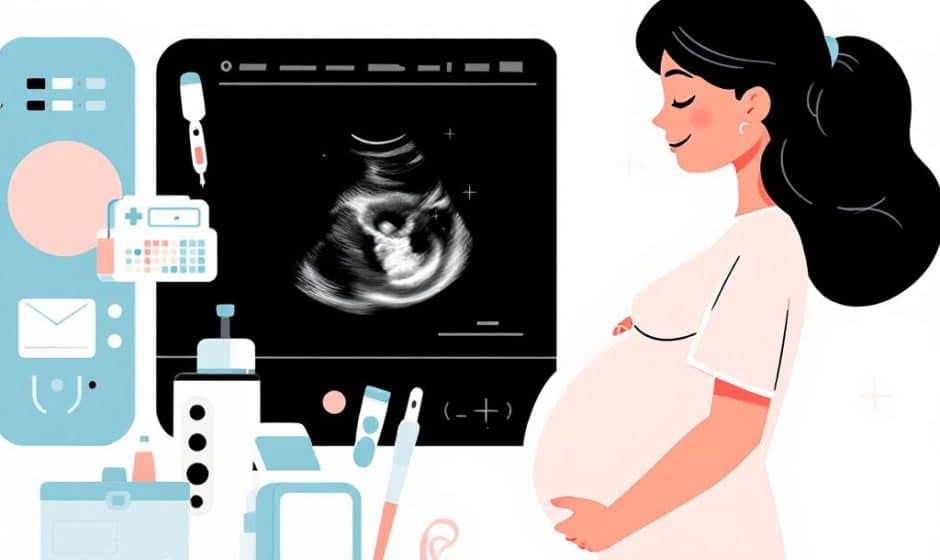

In the realm of reproductive health, the hormone pregnancy test serves as a crucial diagnostic tool, allowing expectant mothers to confirm pregnancies with simplicity and confidence. However, beyond the two line-results that signal this life-changing revelation, lies a sophisticated scientific framework. Understanding the complex biochemical mechanisms that inform these tests requires a closer look👀 at the pivotal research that supports their efficacy and accuracy.
Introduction to Hormone Pregnancy Tests
Pregnancy tests play a vital role throughout the journey of gestation, starting with the earliest confirmations and persisting through various stages of maternal care. Anchoring this utility is the biochemical detection of the hormone hCG (human chorionic gonadotropin) — a cornerstone in the diagnosis of pregnancy.
Produced by the placenta shortly after a fertilized egg attaches to the uterine lining, hCG manifests itself in urine and blood. The detection of this hormone predominantly underpins homemade over-the-counter tests and clinical examinations alike. To gain a deeper insight into these applications, let’s journey through the path of research and innovation that has shaped modern pregnancy testing.
Understanding Hormones During Pregnancy
The Role of hCG: An In-Depth Look
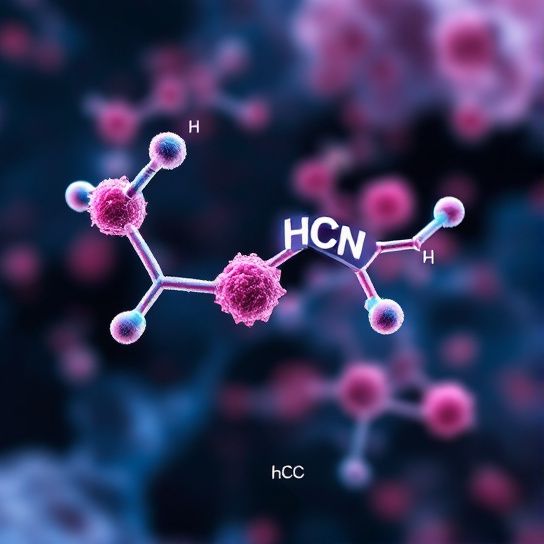
Human chorionic gonadotropin is the hormone primarily detected in pregnancy tests. It facilitates vital biological processes during pregnancy, including sustaining the corpus luteum and stimulating progesterone production until the placenta takes over these functions. The presence of hCG is detectable in urine or blood as early as 11 days post-conception, offering prompt validation of pregnancy.
A baseline technical comprehension of hCG’s biochemical pathway is essential for appreciating its potency in pregnancy detection. It is structured as a glycoprotein composed of 237 amino acids with an alpha and beta subunit. The beta subunit (beta-hCG), unique to hCG relative to other hormones like LH, FSH, and TSH, serves as the primary antigenic marker targeted by pregnancy tests.
Other Hormones That Influence Pregnancy
Besides hCG, other hormones play vital roles during various pregnancy stages:
- Progesterone: Maintains the uterine lining and supports early pregnancy development.
- Estrogen: Promotes fetal development and regulates hormones during pregnancy.
- Relaxin: Facilitates the growth of the uterus and softens the cervix in preparation for childbirth.
- Placental Growth Factor (PGF): Involved in placental and vascular development.
Each of these biochemical agents contributes uniquely, highlighting the intricate hormonal orchestration necessary for a successful gestational period.
The Evolution and Research of Hormone Pregnancy Testing
Historical Overview and Technological Advancements
The inception of pregnancy testing dates back to the ancient Egyptian and Greek civilizations, where primitive tests relied on observing physical signs and primitive biological experiments, such as the germination of seeds in the presence of an expectant woman’s urine. Fast forward to 1928 when the first biochemical test for hCG used mice, and the advent of the research by scientists Aschheim and Zondek laid the groundwork for mechanized testing.
The major breakthrough in pregnancy testing came in the 1970s with the development of immunoassay techniques. Immunoassays leveraged the specificity of antibodies to detect hCG with enhanced precision and sensitivity, allowing the evolution of modern home-based testing kits. 🎯
Modern Testing Techniques and Accuracy
Today’s hormone pregnancy tests primarily use lateral flow immunoassays, offering easy-to-read results efficiently and cost-effectively. These tests include:
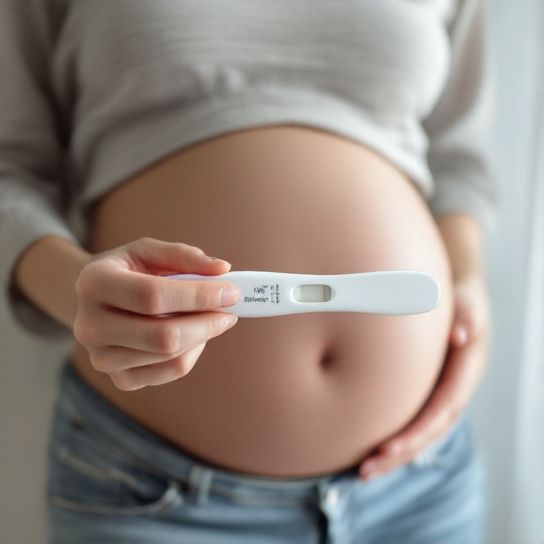
- Home Urine Tests: Designed for at-home use, these kits have accuracy rates exceeding 99% if administered correctly. By targeting the beta-hCG in urine using monoclonal and polyclonal antibodies, they activate color changes on the test strip–a visible line confirms hCG presence.
- Blood Serum Tests (Quantitative & Qualitative): Conducted in clinical settings, these tests quantify hCG levels, offering a nuanced understanding of pregnancy progression. Chemical immunoassays offer rapid and accurate serum analysis, utilizing beta-hCG detection to infer pregnancy age and monitor embryonic health reflexively.
Research continually supports these methodologies, focusing on optimizing sensitivity and minimizing false results. For example, a study in the *Journal of Clinical Endocrinology & Metabolism* emphasizes innovations in anti-hCG monoclonal antibodies that enhance the selectivity of tests amid hormonal interference.
Case Studies and Industry Insights
Case Study: Improving Early Detection
Recent efforts in medical research have explored ultra-sensitive detection methods enabling early pregnancy diagnosis. An innovative study published by the American Association for Clinical Chemistry demonstrated that enzyme-linked immunosorbent assay (ELISA) techniques could detect hCG at even lower thresholds than commercial kits. These methods, propelling forward detection into the very early stages of pregnancy, promise significant advances in prenatal care.
Industry Innovation: Digital Home Pregnancy Tests
The proliferation of digital pregnancy tests reflects industry movements to integrate technology into patient diagnostics. Consist of the same immunoassay technology, but paired with digital readers that relay more detailed information, like weeks since conception, add value beyond traditional kits. Furthermore, several manufacturers are making strides in incorporating Bluetooth connectivity to track results within health apps — a leap blending precision pregnancy diagnostics with personalized digital health records. 📱
Practical Tips for Effective Hormone Pregnancy Testing

- Timing Matters: Conduct the test using the first-morning urine for optimal hCG concentration.
- Follow Instructions: Home tests are budget-friendly but require exact adherence to guidelines for accuracy.
- Conduct Multiple Tests: For confirmatory purposes, testing over multiple days can validate initial findings due to fluctuation in hCG levels.
- Consult Healthcare Providers: If uncertain or experiencing atypical results, medical consultation ensures detailed testing accuracy and support.
![[Pack of 3] mercham Organic Body Oil for Dry Skin, Super ...](https://m.media-amazon.com/images/I/71oznoVjrdL._AC_UL320_.jpg)
These practical insights, backed by science, ensure effective application and empower users with knowledge in their reproductive health journey.
Conclusions: Defining Standards and Best Practices in Hormone Pregnancy Testing
Hormone pregnancy testing remains an area enriched with continuous research, technological refinements, and applied health care innovation. Organizations like the American College of Obstetricians and Gynecologists emphasize standardized guidelines in pregnancy testing protocols, advocating both procedural accuracy and informed patient interactions.
Understanding the hormone pregnancy test beyond its immediate functionality provides a robust comprehension of maternal-pathophysiology, cellular-level biochemistry, and advances in selective testing methodologies. For healthcare practitioners, advancing literacy in hormone interactions and diagnostic toolsets fosters more profound reproductive health engagement—a nexus of precision medicine built on century-old scientific legacies and modern calibrations.
By exploring the intricate web of hCG, technological strides, and personal application skills, aspiring practitioners and patients alike are equipped with the insights and assurances necessary for navigating pregnancy alongside reliable diagnostic support. Through the lens of rigorous, well-researched testing techniques, pregnancy reflects not just a biological change, but a testament to scientific evolution and maternal empowerment. 🌿
Frequently Asked Questions
What are the benefits of using a hair mask in my hair care routine?
Using a hair mask can provide several benefits, including hydration, smoothing, strengthening, curl definition, heat protection, and damage repair. Hair masks infuse the hair with moisture, help coat the hair shaft to seal split ends, reduce breakage, and protect the hair from heat styling and environmental damage[1][4].
What ingredients should I look for in a hair mask?
Effective hair masks often include ingredients such as coconut oil, argan oil, shea butter, honey, avocado oil, green tea, and coconut water. These ingredients provide nourishment, moisturize, and protect the hair, offering benefits like softening, moisturizing, and protecting against damage[2][5].
How often should I use a hair mask in my routine?
You should use a hair mask whenever your hair feels dry, unmanageable, or in need of intense hydration. This can vary depending on your hair type and needs, but generally, using a hair mask once or twice a week can help maintain healthy and moisturized hair[1][4].
How do I apply a hair mask for the best results?
To apply a hair mask effectively, shampoo your hair first, then apply the mask, focusing especially on the ends where hair tends to be the most damaged. Leave the mask on for anywhere from 10 minutes to overnight, depending on the type of mask and your hair’s needs[1][4].
References![[Hormone Test Facts] The Research Behind Pregnancy Testing](https://hormonehealthqueen.com/wp-content/uploads/2025/05/pregnancy_hormone_test_feature-150x150.jpg)
![[Hormone Test Facts] The Research Behind Pregnancy Testing](https://hormonehealthqueen.com/wp-content/uploads/2025/05/female_hormone_imbalance_feature-150x150.jpg)