
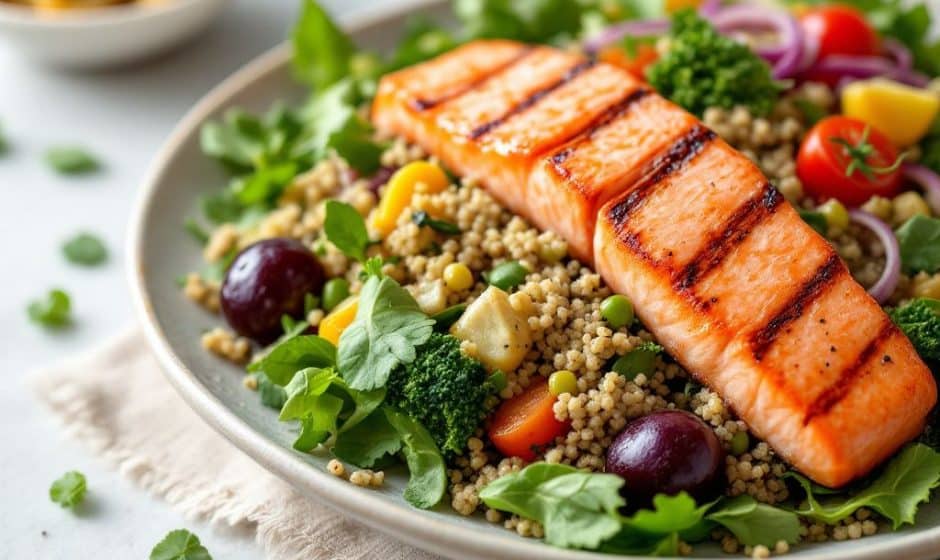

In today’s fast-paced world, maintaining hormonal balance is more important than ever. Hormones play a crucial role in everything from mood regulation to metabolic functions, making it vital to manage them effectively. With a growing interest in natural remedies, hormone-balancing foods have taken the spotlight. This guide will provide you with an in-depth look at these foods, offering both scientific insight and practical advice. 🍎
Understanding Hormones and Why Balance Matters
Hormones are chemical messengers produced by the endocrine glands and include players like insulin, cortisol, and estrogen. Imbalances in these hormones can result in issues ranging from mood swings and weight gain to more severe health conditions such as diabetes or hormonal disorders. During pregnancy, hormonal imbalance can substantially affect both the mother and the child, emphasizing the need for careful dietary choices.
The Science Behind Hormone-Balancing Foods
Let’s dive into how certain foods help balance hormones. These foods operate primarily by supporting your body’s natural hormone production and ensuring efficient hormone function.
Omega-3 Fatty Acids: The Hero for Hormone Regulation
Omega-3 fatty acids, predominantly found in fatty fish such as salmon and mackerel, are essential for stabilizing hormone levels. According to a study published in the *Journal of Clinical Endocrinology & Metabolism*, omega-3s influence the production of sex hormones like estrogen and progesterone in women and testosterone in men.
**Real-World Application:** To incorporate omega-3s, aim for at least two servings of fatty fish a week. If fish isn’t your favorite, consider alternative sources such as chia seeds, flaxseeds, and walnuts. These options are perfect for a health-boosting smoothie addition! 🐟
Cruciferous Vegetables: Combatting Estrogen Dominance
Broccoli, Brussels sprouts, and kale are part of the cruciferous family, known for their ability to enhance detoxification and modulate estrogen metabolism. Indole-3-carbinol, a compound found in these veggies, aids in converting estrogen into a more favorable form, reducing estrogen dominance as indicated in a research study published in *The Journal of Nutrition*.

**Practical Tips:** Include at least a cup of these vegetables in your diet daily, be it roasted, steamed, or mixed into a salad. Prepare a delightful broccoli stir-fry for a side dish that good for your hormones and your taste buds.
Flaxseeds: The Fiber-Powered Hormone Helper
Rich in lignans and omega-3 fatty acids, flaxseeds boast hormone-balancing properties. Lignans have been shown to modulate hormone metabolism and even protect against estrogen-dependent cancers according to research in *Cancer Detection and Prevention*.
**Real-World Example:** Add a tablespoon of ground flaxseeds to your morning cereal, or mix them into baked goods for texture and health benefits. Remember, ground flaxseeds are more digestible and thus more effective.
Avocados: The Perfect Fat for Promoting Hormonal Health
Avocados are a great source of healthy fats, which are integral for hormone synthesis. These fats help regulate insulin levels and support the development of the fetus’s brain and tissues during pregnancy.
**Dietary Integration:** Incorporates avocado into your meals with amazing versatility. Spread it on toast for a quick breakfast, or add it to salads and smoothies. 🥑
Leafy Greens: Vital for Cortisol Control
Spinach, Swiss chard, and collard greens contain magnesium, which is crucial in blunting cortisol, the stress hormone. Elevated cortisol can result in various health issues including weight gain and impaired cognitive function. A report in *Stress & Health* highlights how magnesium intake helps lower cortisol levels.
**Actionable Advice:** Make greens a staple in your diet. Whether it’s a morning smoothie or a nourishing soup, leafy greens can seamlessly elevate any dish.
Quinoa: The Complete Source of Hormone-Friendly Protein
This ancient grain offers a complete protein profile, essential for stabilizing insulin and managing appetite-related hormones like leptin. The *American Journal of Clinical Nutrition* points out that complete proteins can play a significant role in binding excess hormones and facilitating their excretion.
**Dietary Practice:** Substitute your regular carbohydrate sources with quinoa. It serves wonderfully in salads or as a base for bowls.

Incorporating These Foods into Your Daily Routine
Balancing your hormones doesn’t mean overhauling your entire diet overnight. Start with small, manageable changes. Here’s how to introduce these hormone-balancing foods effectively:
Morning Routine
- Breakfast Smoothie: Combine spinach, avocado, flaxseeds, and almond milk for a hormone-boosting start.
- Oatmeal Topper: Sprinkle chia seeds and walnuts over your oatmeal to surge omega-3s into your first meal of the day.
Afternoon Power Snacking
- Nutritious Snack: Choose a handful of nuts like walnuts or almonds for a midday hormonal boost.
- Lunch Choices: Opt for a quinoa salad loaded with mixed greens and grilled salmon for a balanced plate.
Dinner Solutions
- Hearty Entree: A serving of roasted Brussels sprouts with garlic lemon chicken not only tantalizes your taste buds but also supports hormonal health.
- Veggie Pairing: Serve your main dish with a side of sautéed kale or Swiss chard.
Technical Walkthrough: How These Foods Work Biologically

To truly grasp the significance of hormone-balancing foods, here’s how our body interacts with them on a biochemical level:
- Omega-3s and Cell Membrane Receptors: Fatty acids enhance cellular fluidity, optimizing hormone receptor action, which is crucial for functions like insulin sensitivity and serotonin regulation.
- Impact of Lignans and Phytoestrogens: Plant compounds like lignans mimic or modulate estrogen’s effects by binding to its receptors, an effect crucial for preventing conditions like breast cancer linked to high estrogen.
- Antioxidants in Vegetables: They neutralize oxidative stress, pivotal for preventing hormonal misfires associated with inflammation and aging.
Case Studies and Research-Backed Results
A lens into real-world applications and studies highlights the efficacy of hormone-balancing foods:
- A study shared in BMJ Open Diabetes Research & Care concluded a 20% decrease in fasting blood sugar levels when participants incorporated low glycemic index foods (such as quinoa) highlighting hormone-responsive improvements.
- The Nurses’ Health Study reported impressive reductions in inflammation markers and improved hormone metabolism among women consuming a diet rich in vegetables and omega-3s.

Cited Standards and Best Practices
Following industry standards and best practices reinforces your dietary strategy’s effectiveness. The American Dietetic Association recommends including a balanced intake of macro and micronutrients with a focus on plant-based sources to support endocrine health comprehensively.
Conclusion: Your Path to Balanced Hormones 🌟
Eating effectively to maintain hormone balance isn’t just about choosing the right foods; it’s about consistent, informed choices designed to work with your natural rhythms. Whether you’re navigating hormonal changes due to stress elevation, metabolic imbalances, or the hormonal shifts tied to pregnancy, these hormone-balancing foods are accessible, effective, and enjoyable way to support your endocrine system. By integrating these foods into your daily life, you lay the groundwork for a healthier, more balanced future.
Armed with knowledge and the right culinary skills, embark on this delicious journey to balance your hormones naturally. Not only will you enhance your overall health, but you’ll savor every step of the way. 🥘✨
Frequently Asked Questions
What are the benefits of using a hair mask in my hair care routine?
Using a hair mask can provide several benefits, including hydration, smoothing, strengthening, curl definition, heat protection, and damage repair. Hair masks infuse the hair with moisture, help coat the hair shaft to seal split ends, reduce breakage, and protect the hair from heat styling and environmental damage[1][4].
What ingredients should I look for in a hair mask?
Effective hair masks often include ingredients such as coconut oil, argan oil, shea butter, honey, avocado oil, green tea, and coconut water. These ingredients provide nourishment, moisturize, and protect the hair, offering benefits like softening, moisturizing, and protecting against damage[2][5].
How often should I use a hair mask in my routine?
You should use a hair mask whenever your hair feels dry, unmanageable, or in need of intense hydration. This can vary depending on your hair type and needs, but generally, using a hair mask once or twice a week can help maintain healthy and moisturized hair[1][4].
How do I apply a hair mask for the best results?
To apply a hair mask effectively, shampoo your hair first, then apply the mask, focusing especially on the ends where hair tends to be the most damaged. Leave the mask on for anywhere from 10 minutes to overnight, depending on the type of mask and your hair’s needs[1][4].
References![[Trending Now] Hormone-Balancing Foods That Work (And Taste Good)](https://hormonehealthqueen.com/wp-content/uploads/2025/04/best_hormones_for_women_feature-150x150.jpg)
![[Trending Now] Hormone-Balancing Foods That Work (And Taste Good)](https://hormonehealthqueen.com/wp-content/uploads/2025/04/hormonal_imbalance_supplements_feature-150x150.jpg)