
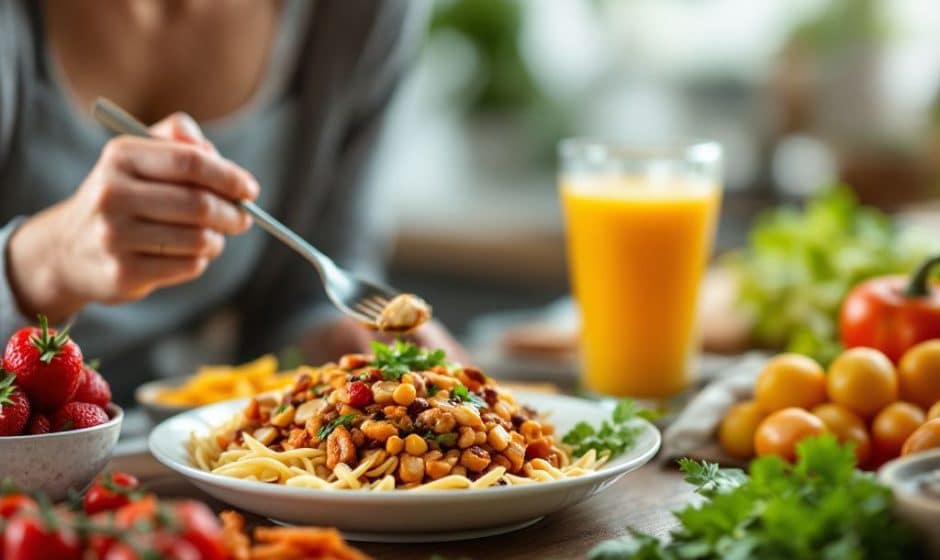

Ever wondered what your plate has to do with your hormones? You’re not alone. As we dive into the tides of everyday life, many of us find ourselves asking, “What exactly should I eat to feel more energetic and balanced?” It’s no secret that hormones rule our mood, energy levels, and even how well we sleep. But here’s the kicker: the food we consume, especially protein, can significantly impact these bustling chemical messengers of ours. Yeah, the very stuff of steak, beans, and even nuts! Let’s chew over this together, and maybe you’ll leave with a fresh perspective on hormone balancing foods.
Why Hormones Matter
Before we delve into the nitty-gritty of how proteins affect hormones, it’s super important to understand why hormones matter at all. Picture hormones as tiny postmen, running around delivering messages across our body. These silent workers influence everything from our mood swings to metabolism. So when they’re off-balance, things can go awry—big time. Think sudden fatigue, mood changes, weight gain, and more. This is where balancing those guys comes in!
But let me tell you a little secret… well, perhaps not a secret, but something we often overlook: your diet, particularly your intake of protein, can play a colossal role in this whole hormone-balancing dance.
Protein: The Building Block You Can’t Ignore
You might think of protein only when you’re planning to bulk up at the gym, but here’s the thing—protein is vital for everyone, not just muscle fanatics. It serves as a foundation for your body, assisting in growth and repair. But beyond just building blocks, protein influences your hormones in ways you might not have imagined.
Consider this: When you eat protein, it actually prompts hormone production. Enzymes produced from proteins help facilitate chemical reactions that produce various hormones. Hormones like insulin, glucagon, and those responsible for metabolism are directly affected by the amount of protein you tuck into.
How Protein Affects Different Hormones
Insulin and Glucagon

Here’s how it works—protein consumption leads to the release of insulin and glucagon, hormones that are key players in managing your blood sugar levels. Insulin helps to introduce glucose into cells, giving you immediate energy jolts, while glucagon signals the liver to release sugar when you’re running low. Staying on that protein train gives these two hormones the support they need to keep you steady and avoid those nasty sugar crashes.
Growth Hormone
Enter the growth hormone: this guy is pivotal for anyone who’s growing, and really, for maintaining all sorts of cellular processes. When you increase protein intake, you help raise levels of the insulin-like growth factor (IGF-1), which works hand in hand with your growth hormone. These two pals are significant for both muscle growth and maintaining a proper metabolism.
Ghrelin and Leptin
Ever get those hunger pangs at random intervals? Thank ghrelin, the hunger hormone. Protein comes to the rescue by decreasing levels of ghrelin in the bloodstream, helping you feel full and satisfied. On the flip side, leptin is the hormone responsible for signaling fullness. Eating adequate amounts of protein modulates leptin’s function, supporting that blessed feeling of satiety.
Thyroid Hormones
One of the overlooked impacts of protein is on thyroid hormones. The thyroid regulates numerous bodily functions. Consuming an ideal amount of protein supports thyroid hormone production, facilitating a more efficient metabolism—and we all want a well-oiled metabolic machine, right?
Stress Hormones
Here’s an interesting tidbit: When you’re stressed, cortisol levels rise. This can often lead to weight gain, particularly around the belly. Balancing protein intake helps keep cortisol levels stable, reducing stress response peaks. Trust me on this; managing stress is so central to overall wellbeing.
Finding the Right Protein Balance

Now that we’re caught up on the whys and hows, let’s dig into finding that protein sweet spot. It’s all about quality and variety.
Quality Over Quantity
Focus on high-quality sources like lean meats, fish, eggs, dairy, legumes, and nuts. Want a comprehensive approach? Strike a balance between animal and plant-based sources to reap varied micronutrient benefits alongside your protein when you’re pursuing those hormone balancing foods.
Mixing It Up: Animal vs. Plant-Based Proteins
Think of your meals like a palette, full of diverse sources:
- Animal Sources: Chicken, turkey, fish, beef, and dairy encompass complete proteins with all essential amino acids.
- Plant Sources: Beans, lentils, quinoa, nuts, and seeds serve as excellent heroes for non-meat days. Keep in mind, however, some plant proteins lack one or more essential amino acids, so it’s smart to mix ’em up!
Protein Timing Matters
Eating moderate doses of protein regularly throughout the day supports a steady mood and energy levels. A prototypical eating schedule could look something like:
- Breakfast: Whole grain toast with an egg or chickpeas
- Lunch: Quinoa salad with grilled chicken or tofu
- Afternoon snack: Handful of nuts
- Dinner: Grilled salmon or bean chili
Listening to Your Body

Your body has a pretty savvy feedback system—don’t ignore its cues. Feeling unusually hungry between meals? You might need a protein boost. Conversely, feeling overly stuffed? Cut back slightly and observe. Finding your balance with hormone balancing foods often means tweaking and adjusting as you go along.
Common Mistakes to Avoid
- Over-Relying on Protein Supplements: These can be convenient, but they often lack the wholesome nutrients found in whole food sources. Use them sparingly.
- Ignoring Other Nutrients: Despite their importance, don’t let proteins overshadow vitamins, minerals, fats, and carbohydrates, each necessary for hormone support.
- Inconsistent Intake: Going through extreme protein-shakes-only phases to then skimping on protein does no good. Consistency pays off!

Practical Steps to Incorporate Protein in Every Meal
It might sound daunting, but with a few kitchen tactics, it becomes second nature:
- Plan Ahead: Prep protein-rich snacks and meals weekly. Wash, marinate, and portion before the week kicks in.
- Be Flexible: Stir in tasty nuts and seeds into yogurt or salads for a sneaky protein addition.
- Try New Recipes: Expand your protein repertoire by trying different cultures’ cuisines, like Middle Eastern falafel or Japanese tofu dishes.
Wrapping It Up
Alright, if you’ve followed along this far, you basically hold the keys to balancing your hormones through protein. Remember, it’s this mix of science-backed choices and intuition-led tweaks that will lead to a harmonious, healthful life. Next time you sit down for a meal, think beyond just satisfying hunger. Visualize nourishing those tireless messengers—your hormones—planting seeds for all-around vitality and joy. Now go on, and give these tips a shot. Your body might just give you a standing ovation for it!
Frequently Asked Questions
What foods are best for balancing hormones?
Foods rich in healthy fats, fiber, and antioxidants are particularly beneficial for hormone balance. Examples include avocados, flaxseeds, chia seeds, leafy greens, broccoli, quinoa, berries, nuts, and fatty fish like salmon. These foods provide essential nutrients such as omega-3 fatty acids, magnesium, and zinc that support hormone production and regulation[1][3][2).
How do leafy greens contribute to hormone balance?
Leafy greens like spinach, kale, and Swiss chard are high in magnesium, antioxidants, and iron, which help regulate cortisol levels, reduce inflammation, and support overall hormone health. They also aid in preventing anemia and promoting a balanced stress response[1][3).
What role do omega-3 fatty acids play in hormone balance?
Omega-3 fatty acids, found in foods like salmon, flaxseeds, and chia seeds, serve as essential building blocks for hormone synthesis. They also reduce inflammation and support cellular function, which can help maintain hormonal balance[1][2).
How can probiotics, such as those found in yogurt, affect hormone balance?
Probiotics in yogurt support a healthy gut microbiome, which is crucial for the regulation of hormones like insulin, ghrelin, and leptin. A balanced gut flora helps in the proper functioning of the endocrine system and overall hormone health[1][3).
References