

Overwhelmed by the endless hormone supplement claims and wondering what actually works?
Here’s the harsh reality: The hormone supplement industry is worth $4.3 billion annually, yet 70% of popular hormone balance supplements have little to no scientific evidence supporting their claims. Marketing teams know exactly which buzzwords trigger purchases from desperate women seeking hormone relief.
The expensive problem: Many women spend hundreds of dollars monthly on supplement cocktails that do nothing—or worse, create new imbalances. Meanwhile, truly effective, research-backed supplements often get overlooked because they don’t have flashy marketing campaigns.
What you’ll discover in this evidence-based guide:
- Which supplements have actual clinical research for hormone balance
- Red flags that signal marketing hype over substance
- Specific dosing and timing protocols that maximize effectiveness
- How to avoid dangerous interactions and poor-quality products
Your hormone health deserves supplements backed by science, not just slick marketing. Let’s separate fact from fiction.
Medical Disclaimer: This information is for educational purposes only and is not intended to diagnose, treat, cure, or prevent any disease. Always consult with a qualified healthcare provider before starting any supplement regimen, especially if you have existing health conditions or take medications. Individual supplement needs vary significantly based on genetics, health status, and other factors.
The Hormone Supplement Industry Problem
Why the supplement industry misleads women:
- Supplements aren’t FDA regulated like medications – no proof of effectiveness required
- “Proprietary blends” hide actual ingredient amounts
- Marketing budgets often exceed research investment
- “Natural = safe” messaging ignores potential side effects
The costly reality:
- Average woman spends $200-500 monthly on ineffective supplements
- Underdosed formulas that can’t possibly work at amounts provided
- Poorly absorbed forms that aren’t bioavailable
- Delayed treatment while trying supplements that don’t work
Evidence-Based Supplements That Actually Work
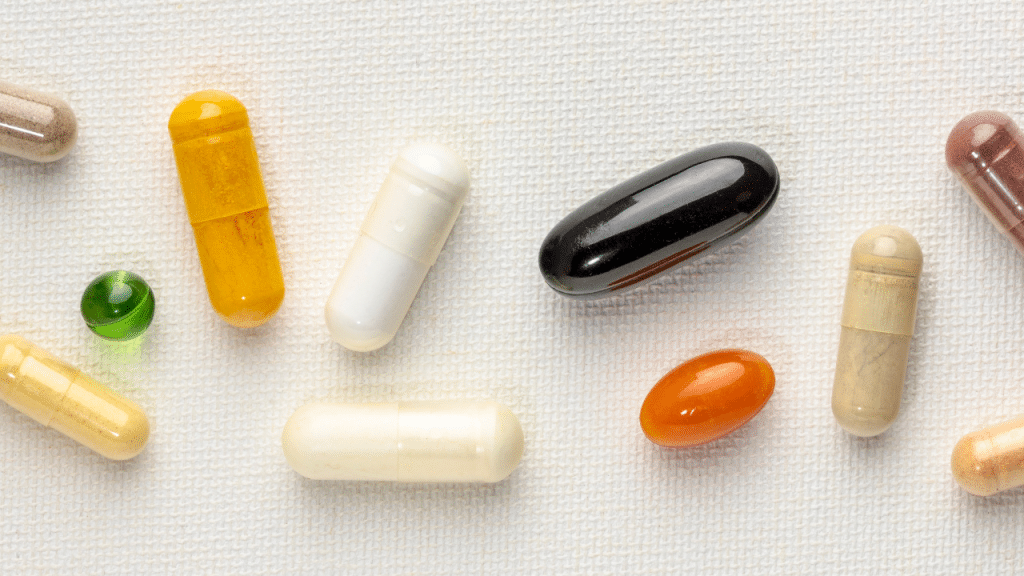
✅ Omega-3 Fatty Acids (EPA/DHA)
Proven benefits:
- Reduces inflammation that disrupts hormone production
- Improves insulin sensitivity in women with PCOS
- Supports healthy cortisol patterns and may improve mood
What to look for:
- Triglyceride form over ethyl ester for better absorption
- Third-party tested for heavy metals and purity
- Fresh smell – fishy odor indicates rancidity
- Work with your healthcare provider for appropriate dosing
✅ Magnesium
Why it’s essential:
- Required for 300+ enzymatic reactions including hormone synthesis
- Supports healthy cortisol patterns and quality sleep
- Improves insulin sensitivity
Best forms:
- Magnesium glycinate: Best absorbed, calming effects
- Avoid magnesium oxide – poorly absorbed
- Timing matters – often better taken in evening
- Consult your practitioner for proper dosing
✅ Vitamin D3 + K2
Hormone benefits:
- Essential for testosterone and estrogen production
- Supports insulin sensitivity and thyroid function
- Modulates inflammatory pathways
Important considerations:
- Must test levels first – deficiency is common but over-supplementation is dangerous
- K2 should accompany D3 for proper calcium metabolism
- Take with fats for absorption
- Work with healthcare provider to determine appropriate amounts
✅ Adaptogenic Herbs
Research-backed options:
Ashwagandha:
- Reduces cortisol in stressed individuals
- May improve thyroid function
- Potential benefits for low testosterone in women
Rhodiola:
- Supports healthy cortisol rhythms
- May improve energy and reduce fatigue
Holy basil:
- Gentle cortisol regulation
- Supports blood sugar stability
Important note: Adaptogen dosing varies significantly by extract quality and individual needs – professional guidance essential.
✅ Probiotics (Targeted Strains)
Gut-hormone connection:
- Gut bacteria produce and metabolize hormones
- Healthy microbiome supports estrogen metabolism
- Reduces inflammation that disrupts hormone signaling
Research-backed strains:
- Lactobacillus reuteri: May increase testosterone, improve skin
- Lactobacillus acidophilus: Supports estrogen metabolism
- Bifidobacterium longum: May reduce cortisol and anxiety
Quality guidelines: Look for third-party testing, multiple strains, proper storage requirements, and work with a healthcare provider for appropriate selection and usage.
Marketing Hype vs. Scientific Reality
🚫 Red Flags to Avoid
“Hormone Balancing” Proprietary Blends:
- Hide actual amounts of each ingredient – usually underdosed
- Combine conflicting ingredients that interfere with each other
- Impossible to replicate dosing from successful studies
“Hormone Detox” Supplements:
- Your liver naturally detoxes hormones effectively
- Most “detox” ingredients have no proven benefit
- Often contain stimulants for quick “results”
Bioidentical Hormone Precursors:
- DHEA/pregnenolone supplements don’t reliably convert to needed hormones
- May disrupt natural hormone production
- Professional monitoring essential for safety
What to Look For Instead
Quality indicators:
- Transparent labeling with exact amounts
- Third-party testing (USP, NSF, ConsumerLab)
- Research-supported doses matching successful studies
- Minimal ingredient lists focusing on quality over quantity
Warning signs:
- “Miracle cure” language or celebrity endorsements
- Extremely low prices or pressure tactics
- “FDA approved” claims (supplements can’t legally claim this)
- Unrealistic promises about rapid results
Research-Backed Supplements by Condition
Important disclaimer: The following information is for educational purposes only. Always consult with a qualified healthcare provider before starting any supplement regimen, especially if you have a medical condition or take medications.
PCOS (Polycystic Ovary Syndrome)
Supplements with research support:
Inositol (Myo + D-chiro combination):
- Studies show improvements in insulin sensitivity and ovulation rates
- Specific ratios and timing matter for effectiveness
- Generally well-tolerated with minimal side effects
Berberine:
- Research suggests similar benefits to metformin for insulin resistance
- May improve lipid profiles and reduce inflammation
- Can interact with medications – professional guidance essential
Spearmint tea:
- Studies indicate potential for reducing testosterone levels
- Simple, natural option with good safety profile
- Consistency of use appears important for benefits
Thyroid Dysfunction
Research-supported options:
Selenium:
- Essential for thyroid hormone conversion
- Studies show benefits for reducing thyroid antibodies
- Easy to over-supplement – testing recommended
Tyrosine:
- Building block for thyroid hormones
- Research shows benefits when deficient
- Timing and interactions important to consider
Estrogen Dominance
Supplements with evidence:
DIM (Diindolylmethane):
- Supports healthy estrogen metabolism pathways
- Research on beneficial estrogen metabolites
- Quality and absorption vary significantly between products
Calcium D-Glucarate:
- Studies on estrogen elimination pathways
- May support liver detoxification processes
- Timing with other supplements matters
Stress and Cortisol Issues
Research-backed support:
Phosphatidylserine:
- Studies show benefits for blunting cortisol response
- Research on sleep quality and morning energy
- Individual response varies significantly
Vitamin C:
- Essential for healthy cortisol function
- Research on stress response and adrenal support
- Form and timing affect absorption and benefits
Remember: Supplement needs are highly individual. What works for one person may not work for another, and dosing requirements vary based on individual factors, existing health conditions, and other medications or supplements.
Safety and Quality Guidelines
Important Drug Interactions
Blood thinners: Omega-3s and other supplements may affect bleeding risk – always inform your prescribing physician
Diabetes medications: Some supplements can affect blood sugar – close monitoring essential
Thyroid medications: Many supplements can interfere with absorption – timing and professional guidance crucial
Quality Markers to Look For
Third-party testing: USP Verified, NSF International, ConsumerLab certifications
Transparent labeling: Exact amounts listed, not hidden in proprietary blends
Bioavailable forms: Research which forms are best absorbed
Proper storage: Some supplements require refrigeration or special handling
When to Avoid Supplements
Pregnancy/breastfeeding: Many herbs and high-dose vitamins unsafe – professional guidance essential
Autoimmune conditions: Some supplements may stimulate immune system inappropriately
Hormone-sensitive cancers: Certain supplements contraindicated – oncologist approval required
Multiple medications: Increased risk of interactions – pharmacist and physician consultation important
Working with Healthcare Providers
Before starting supplements:
- Discuss your goals and symptoms
- Review current medications for potential interactions
- Consider baseline testing to identify actual deficiencies
- Understand contraindications based on your health history
Monitoring progress:
- Track symptoms systematically
- Follow up testing when appropriate (typically 3-6 months)
- Regular check-ins to assess effectiveness and safety
- Adjust approach based on response and changing needs
Signs to contact your provider:
- New or worsening symptoms after starting supplements
- Digestive upset that doesn’t resolve
- Unusual fatigue or energy changes
- Any concerning reactions or side effects
Frequently Asked Questions
Q: How long should I take hormone balance supplements?
A: This depends on your specific condition and goals. Nutrients like magnesium and omega-3s can be taken long-term, while herbs like adaptogens are often used for 3-6 months then rotated. Work with a practitioner for personalized guidance.
Q: Can I take multiple hormone supplements together?
A: Yes, but timing and combinations matter. Some nutrients enhance absorption while others compete. Start with one supplement at a time to assess tolerance, then gradually add others with proper spacing.
Q: Are expensive supplements always better quality?
A: Not necessarily. Price doesn’t guarantee quality, but extremely cheap supplements are often poorly made. Look for third-party testing, proper dosing, and bioavailable forms rather than just price.
Q: Should I stop supplements when my hormones improve?
A: It depends on whether you’re addressing a deficiency or supporting ongoing function. Some supplements can be reduced or stopped once balance is restored, while others provide ongoing support. Monitor symptoms and lab values to guide decisions.
Q: Can supplements replace hormone replacement therapy?
A: Supplements can support hormone balance and may help some women avoid or delay HRT, but they cannot replace hormones when levels are severely depleted. Work with a qualified practitioner to determine the best approach for your situation.
Explore our website for more hormone health resources and follow us on social media for evidence-based supplement updates and tips!