
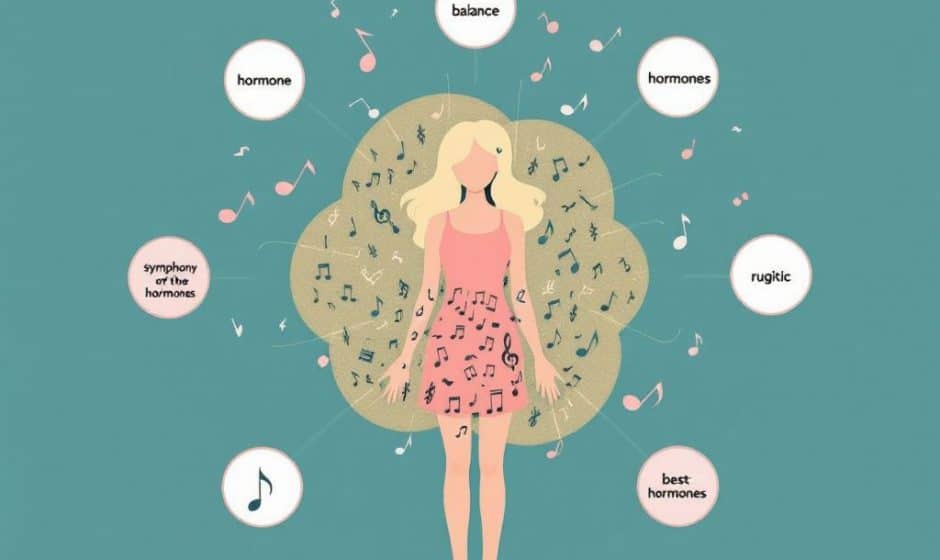

Hormones—those tiny chemical messengers running through our bloodstream—exert a weighty influence on nearly every facet of our existence, from metabolism and mood to energy levels, growth, and more. Yet, amidst widespread interest, myths about achieving and maintaining hormone balance abound, leaving many individuals confused and misinformed. This guide intends to cut through the clutter and establish a clear understanding of hormone balance, dispelling myths with a strong foundation of research and facts.
Demystifying Hormones: A Brief Introduction 🌟
Before unpacking the myths, let’s delve into what hormones are and why balanced hormones are crucial for optimal health. Hormones are biochemical substances produced by glands in the endocrine system. They are released into the bloodstream to target specific organs and tissues, impacting vital functions such as growth, reproduction, metabolism, and energy regulation. The types of hormones are numerous, each with specific roles, including insulin, cortisol, estrogen, and testosterone, to name but a few. Given their importance, maintaining balanced hormone levels is vital, yet the pathway to achieving harmony can often become muddled in myths. Let’s address these misunderstandings head-on.
Myth 1: Hormonal Imbalance Is Only a Women’s Issue 🤔
Reality Check:
Hormonal imbalances are not exclusive to women. While conditions such as menopause and PMS are well-recognized issues where females experience fluctuations in hormone levels, men face their own challenges, such as andropause, the male equivalent of menopause—involving declines in testosterone as men age. Additionally, both genders can experience imbalances in hormones such as insulin, melatonin, and cortisol, impacting various functions like sleep, stress, and metabolism.
Supporting Research:
A 2018 article published in *The Lancet Diabetes & Endocrinology* highlighted that both men and women can experience similar rates of thyroid disorders, underscoring that hormone imbalances transcend gender lines. The study pinpoints the necessity for both men and women to be vigilant in recognizing symptoms and pursuing balanced hormones.
Real-World Application:
For both genders, it’s essential to routinely check hormone levels through blood testing if symptoms arise, ensuring a comprehensive view of one’s hormonal health. Lifestyle factors such as diet, exercise, and stress management are not gender-specific strategies; they serve as cornerstones for maintaining balance in hormone levels for all individuals.

Myth 2: Synthetic Hormones Are Dangerous and Should Be Avoided 😨
The Truth Revealed:
While it’s true that horror stories about synthetic hormones often circulate, the reality is nuanced and fact-based. Hormone replacement therapy (HRT), including bioidentical hormones, can be life-changing when applied judiciously under medical supervision. For instance, synthetic insulin is a life-saver for diabetics—demonstrating how precisely synthesized hormones can regulate abnormal hormone levels effectively.
Industry Standards:
The North American Menopause Society (NAMS) supports the prudent use of HRT, emphasizing individualized treatment plans that consider a person’s unique health profile and risk factors. When monitored by healthcare providers, synthetic hormone therapies are continuously evaluated for safety.
Practical Tips:
- Consult a Specialist: Engage with endocrinologists or specialists who have extensive experience in managing and prescribing hormone therapy.
- Comprehensive Assessment: A full evaluation, including health history and laboratory tests, should precede the application of any synthetic hormone therapy.
- Ongoing Monitoring: Regular follow-ups are crucial to adjust dosages and ensure that hormone levels remain within a safe, therapeutic range.
Myth 3: Natural Supplements Alone Can Balance Your Hormones 🍃
Debunking the Myth:
While supplement marketing is frequently tantalizing, the notion that diet alone can rectify hormone imbalances is misleading. Vitamins and herbal supplements can play supporting roles; however, they are not magic bullets that replace professional medical treatment.
Backend Science:

Supplements like vitamin D, magnesium, and omega-3 fatty acids have been shown to support hormone function. Yet, according to a study published in the *Journal of Clinical Endocrinology & Metabolism*, whole lifestyle adjustments exhibit the most pronounced effects on balanced hormones. Instructively, the National Institutes of Health advises that relying solely on supplements without dietary changes or lifestyle interventions often proves inadequate in achieving hormone harmony.
Actionable Advice:
- Balanced Diet: Incorporate diverse, whole foods rich in essential nutrients to naturally support hormonal function.
- Exercise Regularly: Physical activity can enhance hormone sensitivity and circulation, crucial for hormonal balance.
- Seek Guidance: Consult with healthcare providers or registered dietitians to structure a comprehensive plan that includes both dietary and lifestyle intervention alongside any supplementation.
Myth 4: It’s Impossible to Prevent Hormonal Imbalance ⚠️
Pulling Back the Curtain:
This myth exaggerates inevitable natural processes and diminishes proactive health measures. While some hormonal changes occur naturally with aging, many aspects of our hormonal health remain largely under our control.
Key Supporting Statistics:
Data from the **Centers for Disease Control and Prevention (CDC)** highlights that adequate exercise, balanced nutrition, stress management, and avoidance of harmful substances (like excessive alcohol) harmonize hormonal profiles substantially—even as we age. Physical activity, for example, significantly influences insulin sensitivity, demonstrating its considerable capacity to stabilize blood glucose and associated hormones.
Strategic Interventions:
- Stress Reduction Techniques: Activities such as mindfulness, yoga, or tai chi have scientific backing for ameliorating cortisol peaks and stabilizing mood-related hormones.
- Sleep Hygiene: Prioritizing quality sleep is one of the most effective ways to maintain balanced levels of melatonin and growth hormone.
- Regular Health Checks: Preventative screenings and hormone level assessments enable early intervention and correction when imbalances arise.
Myth 5: Only Complex Programs Can Achieve Hormone Balance 🏋️♀️
Keeping it Real:
Achieving hormonal harmony doesn’t require complex regimes or restricted programs. Basic, consistent lifestyle practices are the bedrock of sustained balance.
Research Insights:
According to a review in *Nutrients Journal*, simple, consistent routines incorporating balanced nutrition, regular activity, stress moderation, and sufficient hydration are key. Hormones thrive under stability—the fewer the fluctuations, the more likely levels will remain balanced.
Simplified Approach:

- Consistency Over Complexity: Establish repeatable and simplistic health practices—weaving predictability into diet, sleep, and physical routines streamlines efforts to achieve and maintain steady hormone levels.
- Mindful Moderation: Adopt balanced macronutrient consumption and avoid the extremities of either dieting or over-indulgence to ensure metabolic stability.
Conclusion: Crafting Your Hormonal Symphony 🎶
Navigating the convoluted maze of myths about hormone balance demands a grounded understanding of science-backed truths. Our exploration reveals that achieving balanced hormones is multifactorial—a combination of well-guided medical intervention and steadfast lifestyle practices guides many toward this balance. Rather than narrow-focused efforts, a harmonious synergy of proactive health management and informed choices will orchestrate the desired balance in hormone levels.
As professionals, practitioners, or distracted laypersons seeking hormone harmony, we have the tools available to intervene, based on the rich repository of verifiable knowledge, devoid of conjecture. Keep abreast of developing research, always prioritizing thoughtful, evidenced-based strategies tailored to individual needs for healthier, balanced living. 🌿
Frequently Asked Questions
What are the benefits of using a hair mask in my hair care routine?
Using a hair mask can provide several benefits, including hydration, smoothing, strengthening, curl definition, heat protection, and damage repair. Hair masks infuse the hair with moisture, help coat the hair shaft to seal split ends, reduce breakage, and protect the hair from heat styling and environmental damage[1][4].
What ingredients should I look for in a hair mask?
Effective hair masks often include ingredients such as coconut oil, argan oil, shea butter, honey, avocado oil, green tea, and coconut water. These ingredients provide nourishment, moisturize, and protect the hair, offering benefits like softening, moisturizing, and protecting against damage[2][5].
How often should I use a hair mask in my routine?
You should use a hair mask whenever your hair feels dry, unmanageable, or in need of intense hydration. This can vary depending on your hair type and needs, but generally, using a hair mask once or twice a week can help maintain healthy and moisturized hair[1][4].
How do I apply a hair mask for the best results?
To apply a hair mask effectively, shampoo your hair first, then apply the mask, focusing especially on the ends where hair tends to be the most damaged. Leave the mask on for anywhere from 10 minutes to overnight, depending on the type of mask and your hair’s needs[1][4].
References![[Balance Explained] The Science Behind Hormone Harmony](https://hormonehealthqueen.com/wp-content/uploads/2025/05/hormone_in_pregnancy_feature-150x150.jpg)
![[Balance Explained] The Science Behind Hormone Harmony](https://hormonehealthqueen.com/wp-content/uploads/2025/05/balanced_hormones_feature-150x150.jpg)