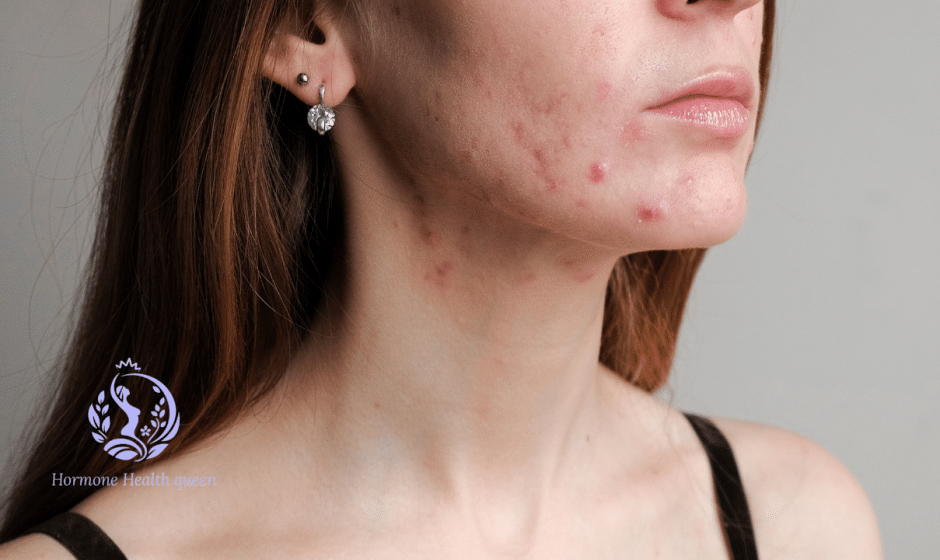

Did you know that up to 70% of acne sufferers report clearer skin within 12 weeks of changing their diet? Despite this, many dermatologists still downplay the link between what we eat and how our skin behaves.
For years, the relationship between diet and hormonal acne has sparked debate in the medical world. But today, a growing body of research shows that your plate might be just as important as your skincare routine — especially when hormones are involved.
Hormonal fluctuations caused by puberty, menstruation, pregnancy, and menopause make your skin more reactive to dietary triggers. That’s why a one-size-fits-all approach to acne doesn’t work — your hormones play a massive role.
In this article, we’ll explore the powerful, often overlooked connection between hormonal acne and food, so you can make smarter dietary choices that align with your body’s hormonal rhythms.
The Science Behind Diet and Acne
🍽️ How Food Affects Hormones
When you eat foods high in sugar or refined carbs, your blood sugar spikes, leading to increased insulin production. Elevated insulin levels stimulate the production of androgens, the hormones that trigger excess oil (sebum) production — a key factor in acne development.
- Sugar → Blood Sugar Spike → Insulin Surge → Hormone Fluctuation → Sebum Production → Acne
🔥 The Inflammation Connection
Foods like processed meats, sugary snacks, and refined oils fuel chronic inflammation, which worsens acne by disrupting skin cell turnover and healing. Conversely, anti-inflammatory diets support hormonal balance and clearer skin.
🧪 Recent Research
- A 2020 study published in JAMA Dermatology found that participants with high dairy and sugar intake had a 54% higher risk of moderate to severe acne.
- In 2022, the Journal of the American Academy of Dermatology confirmed that low-glycemic diets significantly reduce acne severity, particularly in adults with hormonal imbalances.
Dr. Melissa Chan, Dermatologist:
“We can’t ignore the role diet plays, especially in hormonal acne. Food impacts our insulin response, which directly influences the skin’s oil production.”
Foods That Fight Acne
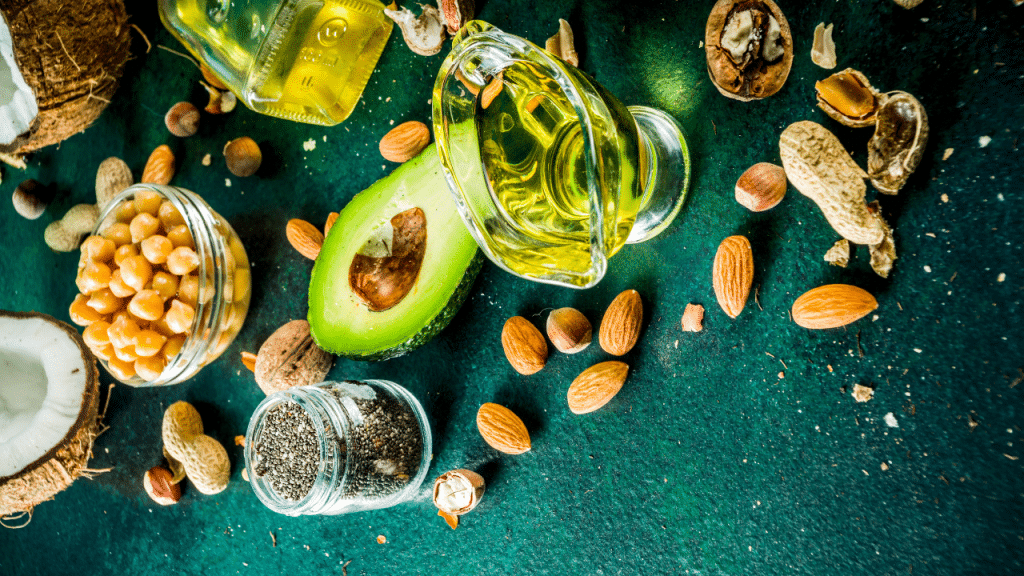
Eating for your skin means choosing foods that reduce inflammation, support hormone balance, and promote gut health.
🥦 Skin-Clearing Heroes:
- Low-Glycemic Foods (quinoa, lentils, leafy greens): Stabilize blood sugar
- Omega-3 Fatty Acids (salmon, walnuts, flaxseeds): Anti-inflammatory
- Zinc-Rich Foods (pumpkin seeds, chickpeas): Regulates oil production
- Antioxidant-Rich Produce (berries, spinach, sweet potatoes): Protect against cellular damage
- Probiotics (yogurt with live cultures, sauerkraut): Strengthen the gut-skin axis
📏 Portion Tips:
- Aim for 2 servings of omega-3s per week
- Add leafy greens daily
- Snack on ¼ cup of seeds or nuts per day
Foods That Fuel Breakouts

Now let’s talk about what to avoid — especially if you have hormone-related acne.
⚠️ Common Offenders:
- High-Glycemic Foods (white bread, soda, pastries): Trigger insulin spikes
- Dairy (especially skim milk): Linked to increased androgens and IGF-1 hormone
- Processed Foods (chips, deli meats): High in inflammatory omega-6 fats
- Food Sensitivities (gluten, soy): Can worsen inflammation in sensitive individuals
Hormonal Connections: How Diet Affects Different Life Stages
Hormonal acne isn’t the same at 16, 36, or 56. Each life stage demands unique dietary considerations.
👧 Teens (12–19)
- Key Issue: Surging androgens
- Focus on: Low-glycemic meals, zinc, hydration
👩 Adults (20–40)
- Key Issue: Hormonal imbalances, stress
- Focus on: Omega-3s, probiotics, reduce dairy
🌙 Menstrual Cycle
- Ovulation triggers testosterone spikes
- Boost intake of magnesium-rich foods (dark chocolate, spinach) during PMS
👵 Menopause
- Declining estrogen dries the skin and increases inflammation
- Focus on: Phytoestrogens (soy, flaxseed), vitamin E, bone-supporting nutrients
📊 Callout Box: “Hormone-Diet Connection Timeline”
- Tracks hormone changes from teens to menopause with matching food strategies
Creating Your Anti-Acne Eating Plan
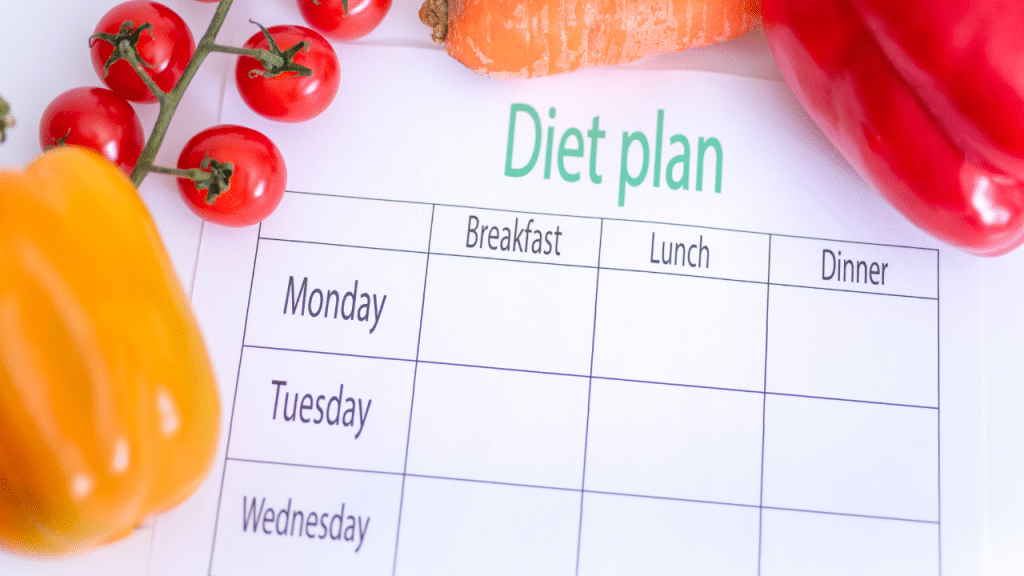
Ready to eat for clearer skin? Here’s how to get started:
🪜 Step-by-Step:
- Track your food and breakouts for 2 weeks
- Eliminate common acne-triggering foods for 14 days
- Slowly reintroduce and monitor reactions
- Adjust diet based on hormonal cycle
🗓️ Sample 3-Day Anti-Acne Meal Plan
| Meal | Day 1 | Day 2 | Day 3 |
|---|---|---|---|
| Breakfast | Oatmeal + berries + flaxseed | Smoothie (kale, banana, chia) | Scrambled eggs + spinach |
| Lunch | Quinoa salad + chickpeas | Grilled salmon + greens | Lentil soup + whole grain toast |
| Dinner | Stir-fry tofu + brown rice | Baked sweet potato + broccoli | Zucchini noodles + turkey |
| Snacks | Pumpkin seeds + green tea | Apple slices + almond butter | Greek yogurt + walnuts |
🛒 Shopping List:
Spinach, flaxseeds, wild salmon, walnuts, lentils, oats, chickpeas, sweet potatoes, probiotic yogurt, chia seeds, herbal teas.
Beyond Diet: Complementary Approaches
While food is foundational, it’s just one part of your skin-health puzzle.
💡 Lifestyle Tips:
- Skincare: Use non-comedogenic, hormone-safe products
- Sleep: Aim for 7–8 hours per night
- Stress Management: Yoga, journaling, adaptogens
- Supplements: Zinc, Omega-3, and DIM (check with your doctor first!)
🤝 Know When to Get Help:
If acne persists or worsens, consult a dermatologist or hormone specialist.
Conclusion
You’ve just uncovered how deeply diet and hormones influence acne — and how your plate can become your best skincare ally.
While there’s no one-size-fits-all plan, experimenting with skin-friendly foods and tracking your results will put you back in control of your skin’s future. Be patient, stay consistent, and most importantly — listen to your body.
✨ Clear skin starts with informed choices. You’ve got this, queen.
FAQ: Hormonal Acne & Diet
Q: Does chocolate really cause acne?
A: Not directly — but sugary, dairy-filled chocolate bars can worsen insulin spikes and inflammation.
Q: How long until I see results after changing my diet?
A: Most people see noticeable changes in 4–8 weeks, but consistency is key.
Q: Should I cut dairy completely?
A: Start by reducing it. Many find improvement just by switching to plant-based milk.
👀 Explore more science-backed skin and hormone insights at HormoneHealthQueen.com
📱 Follow us on social media for daily skin tips and real stories