
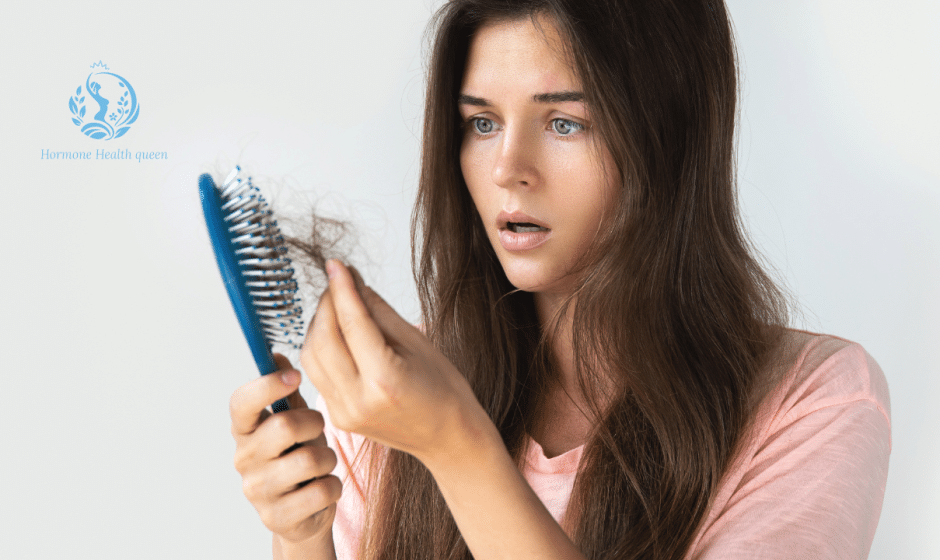

Pregnancy is often associated with glowing skin and luscious hair — but for many women, the reality includes unexpected hair thinning, shedding, or even bald patches.
If you’re experiencing pregnancy hair loss, you’re not alone.
While it’s normal for some hair changes to occur due to shifting hormones, excessive shedding during pregnancy can feel alarming and affect your confidence. The good news? Most causes are temporary and treatable with the right strategy.
This article breaks down the causes of hair loss during pregnancy and provides safe, expert-backed methods to regrow your hair quickly and naturally.
What Causes Pregnancy Hair Loss?
During pregnancy, your body experiences major hormonal fluctuations — especially in estrogen and progesterone — which affect your hair’s natural growth cycle.
The most common causes of pregnancy hair loss include:
1. Hormonal Shifts
Estrogen levels typically rise during pregnancy, which should prolong the hair growth phase. But for some women, fluctuating progesterone or thyroid hormone imbalance can trigger excess shedding.
2. Telogen Effluvium
A common form of temporary hair loss where hair prematurely enters the resting phase. This can be triggered by:
- Pregnancy stress
- Illness or fever
- Iron deficiency
- Major hormonal changes
3. Nutrient Deficiencies
Your growing baby needs a lot of nutrients — and if you’re not getting enough iron, protein, vitamin D, biotin, or B12, your hair may suffer.
4. Underlying Thyroid Issues
Pregnancy can worsen or trigger hypothyroidism or hyperthyroidism, both of which contribute to hair thinning.
When Is Hair Loss During Pregnancy Normal vs. Concerning?
| Normal Hair Changes | Concerning Hair Loss |
|---|---|
| Mild shedding while brushing | Clumps of hair falling out |
| Hair thinning around temples | Noticeable bald patches |
| Texture changes (more dry or oily) | Persistent loss for more than 3+ months |
| Hair loss slows by third trimester | Hair loss worsens into postpartum period |
📌 If you’re unsure whether your hair loss is typical, consult your OB-GYN or dermatologist.
How Long Does Pregnancy Hair Loss Last?
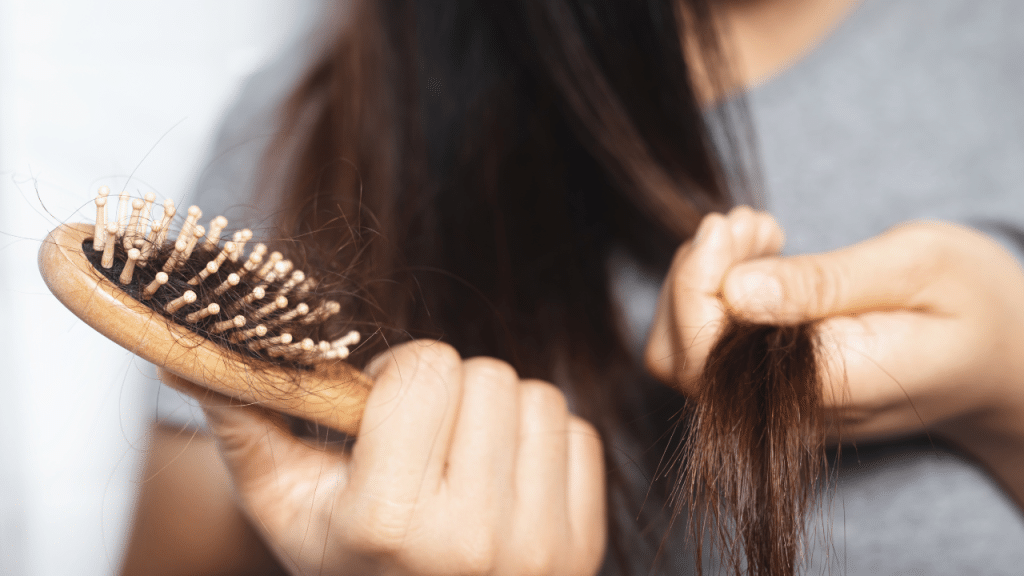
Most women experience hair changes:
- In the first trimester due to hormone surges and stress
- In the third trimester if nutrient stores become depleted
- After delivery (postpartum shedding) due to estrogen drop
If caused by temporary hormonal imbalance, pregnancy hair loss often resolves within 3–6 months — especially with proper care and nutrition.
Safe & Effective Ways to Regrow Hair During Pregnancy
Now let’s talk solutions. Here’s how to regrow your hair safely and quickly while pregnant.
1. Eat a Hair-Boosting Diet
Focus on whole, nutrient-dense foods that support hair growth:
| Nutrient | Best Food Sources |
|---|---|
| Protein | Eggs, chicken, lentils, Greek yogurt |
| Iron | Spinach, red meat, fortified cereals |
| Vitamin D | Mushrooms, fatty fish, egg yolks |
| Biotin | Eggs, seeds, nuts, sweet potatoes |
| Omega-3s | Flaxseeds, walnuts, salmon (low mercury) |
| Zinc | Chickpeas, oats, pumpkin seeds |
Bonus: A balanced diet also supports skin health and energy levels during pregnancy.
2. Take Pregnancy-Safe Supplements
Your prenatal vitamin is a good start, but if hair loss is severe, ask your doctor about:
- Iron supplements (only if deficient)
- Biotin (B7) for keratin support
- Collagen peptides (hydrolyzed for better absorption)
- Zinc or vitamin D if lab-tested as low
Always consult your healthcare provider before adding new supplements during pregnancy.
3. Switch to a Gentle Hair Care Routine
- Use sulfate-free, pH-balanced shampoos
- Choose a volumizing conditioner with keratin or argan oil
- Avoid tight hairstyles, excessive brushing, or hot tools
- Pat hair dry instead of rubbing with a towel
- Detangle with a wide-tooth comb
Tip: Wash hair 2–3 times a week and use dry shampoo between washes to minimize breakage.
4. Try Natural Oils and Scalp Massage
Scalp circulation is key for stimulating follicles. These oils are safe and effective:
- Coconut oil: Moisturizes and strengthens strands
- Castor oil: Rich in ricinoleic acid, promotes thickness
- Rosemary oil: Shown to stimulate hair growth (use diluted in carrier oil)
Massage gently for 3–5 minutes before bed a few times per week.
5. Address Stress & Sleep
Emotional and physical stress can trigger or worsen telogen effluvium.
Pregnancy-safe stress reducers:
- Gentle prenatal yoga or stretching
- Guided meditation or breathing exercises
- Short daily walks
- Naps and consistent sleep routine
Cortisol (the stress hormone) affects hair growth cycles — so managing stress is crucial.
Pregnancy Hair Products to Try
| Product | Why It Helps | Pregnancy-Safe? |
|---|---|---|
| Vegamour GRO Hair Serum | Contains plant actives + caffeine | ✅ Yes |
| Earth Mama Calming Lavender Shampoo | Gentle, clean formula for sensitive scalps | ✅ Yes |
| Mielle Organics Rosemary Mint Oil | Strengthens hair with biotin & herbs | ✅ Yes (spot test) |
| RevitaLash Thickening Shampoo | Adds volume and supports scalp health | ✅ Yes |
Always do a patch test and check for artificial fragrances or parabens.
What to Avoid When Treating Pregnancy Hair Loss
🚫 Minoxidil (Rogaine) — not safe during pregnancy
🚫 Retinoid-containing scalp treatments
🚫 High-heat styling or harsh dyes
🚫 Essential oils without dilution
🚫 Drastic detox diets or fasting
How to Track Hair Regrowth Progress
Create a simple tracking journal to note:
- Shedding amount per week
- New growth along hairline or part
- Product or supplement changes
- Stress levels or sleep patterns
Expect to see noticeable changes in 6–12 weeks with consistent care.
When to See a Doctor About Pregnancy Hair Loss
Speak with your doctor if:
- Hair falls out in large clumps
- You have visible bald patches
- You’re diagnosed with anemia, thyroid dysfunction, or PCOS
- Hair loss worsens or continues into late pregnancy
A blood test may reveal underlying issues contributing to your pregnancy hair loss.
Real Women, Real Hair Regrowth Stories
“I was losing handfuls of hair by month 5. My OB found I had low iron. With supplements and scalp massages, it slowed within 6 weeks.” — Amina, 33
“I added a collagen powder and started using castor oil twice a week. My baby hairs are finally filling in.” — Rachel, 30
Post-Pregnancy Hair Loss: What to Expect
Many women experience postpartum hair loss around 3–4 months after birth due to the drop in estrogen. This is normal and temporary.
To support regrowth:
- Continue nutrient-dense eating
- Consider breastfeeding-safe collagen or biotin
- Maintain a gentle hair care routine
- Manage postpartum stress as much as possible
Conclusion
While pregnancy hair loss can be frustrating and even scary, it’s usually a temporary response to your body’s incredible hormonal shifts. By supporting your scalp, reducing stress, and nourishing your body from the inside out, you can regrow healthy, beautiful hair safely — even while pregnant.
Trust the process. Be patient. And know that postpartum recovery is part of the journey too.
FAQs: Pregnancy Hair Loss
Q: Is hair loss during pregnancy normal?
A: Mild shedding is normal, but excessive hair loss should be evaluated by your doctor.
Q: Can I use hair growth serums while pregnant?
A: Many plant-based serums are safe. Avoid Minoxidil unless approved by your OB.
Q: How long does pregnancy hair loss last?
A: Most cases resolve within 3–6 months with proper care and nutrition.
Q: What’s the fastest way to regrow hair while pregnant?
A: Address nutrient deficiencies, use safe topical oils, and reduce stress.
Explore more hormone-friendly beauty and wellness advice at HormoneHealthQueen.com
Follow us on social media for real tips and stories from women just like you