
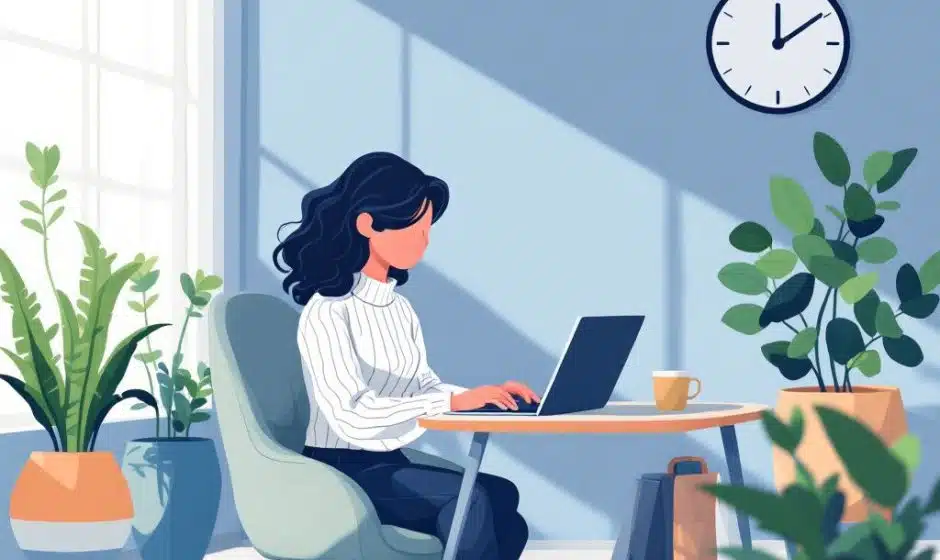

Hey there! So, you’ve dived into the freelance world, trading that traditional 9-to-5 grind for the freedom of working in your PJs. Congratulations! But have you noticed some unexpected changes in your body or mood? You’re not alone. Many freelancers find that the quest for a work-life balance can mess with their hormone regulation.
Why Hormone Balance Matters
First off, hormones are the messengers in our bodies. They control essential functions like mood, energy, and even weight. When your hormones are out of whack, it’s not just a bad day at the office—it can feel like you’re lost in an emotional fog.
So what’s the deal with freelancers and hormone imbalance? Let’s be real: the freelance lifestyle, with its erratic hours and nonstop connectivity, can take a toll on your health. Imagine combining that level of stress with irregular sleep patterns and a diet that may lean too heavily on convenience. It’s like a recipe for a hormone roller coaster.
Identifying the Common Culprits
Irregular Sleep Patterns
It’s so tempting to binge-watch your favorite series late into the night. Trust me, I get it. But that Netflix binge could be wreaking havoc on your sleep schedule. Lack of sleep throws off your body’s internal clock, leading to a disruption in hormone regulation. Your body relies on a good night’s rest to reset those vital hormone levels.
Inconsistent Eating Habits

When you’re racing to meet a deadline, who has time to cook? You grab what’s easy, which often means processed foods high in sugar and unhealthy fats. Unfortunately, these can lead to insulin spikes and cortisol chaos—hello, stress eating!
Lack of Physical Activity
Ever spend a day hunched over your laptop, realizing you’ve barely moved? Same here. Physical inactivity is a sneaky culprit that can disrupt and lead to fatigue, mood swings, and even weight gain.
Rebalancing: Practical Steps for Freelancers
Establish a Regular Sleep Routine
Start by setting a bedtime that gives you 7-9 hours of sleep and stick to it—even on weekends. I know, easier said than done, right? But give it a shot; your body will thank you. Try a blue light filter on your devices if you’re working late, and maybe swap your evening TV binge for a good book instead.
Maintain Consistent Meal Times
Your body thrives on routine, and that includes your gut. Eating at irregular times can disrupt your circadian rhythm—the body’s internal clock—which plays a significant role in hormone regulation.
- Morning: Start your day with a nutrient-packed breakfast.
- Midday: Have a balanced lunch with protein, complex carbs, and healthy fats.
- Evening: Aim for a light dinner, ideally a few hours before bedtime.
Incorporate Movement Into Your Day

You don’t need a fancy gym membership to get moving. Consider a walk during lunch breaks, a quick at-home workout, or even stretching exercises between tasks. The key is to move regularly to support hormone health.
Manage Stress Levels
Did I hear someone say yoga? Practices like meditation, yoga, or even simple deep-breathing exercises can foster hormone balance by reducing cortisol levels. You could also consider journaling—writing about your day, your goals, or even just random thoughts. It’s cathartic and calming.
Optimize Your Workspace
Create a calming, less-stressful environment by setting up a dedicated workspace at home. Consider investing in ergonomic furniture. Plants are your friends—add a little greenery for less stress and more productivity.
Superfoods and Supplements That Support Hormone Balance
Adding a few superfoods and supplements can provide your body with essential nutrients and may aid in hormone regulation.
- Leafy Greens: Think spinach and kale—loaded with magnesium to combat cortisol.
- Omega-3 Fatty Acids: Found in fish or flaxseeds, which can help lower cortisol.
- Vitamin D: The sunshine vitamin! It plays a crucial role in hormone production.
- Ashwagandha: This adaptogen supports the body in dealing with stress—check with your healthcare provider first!
Building a Schedule That Supports You

Try creating a flexible schedule that honors your peak productive hours while incorporating breaks for nourishment, movement, and rest. It might look something like this:
| Time | Activity |
|---|---|
| 7:30 AM | Wake-up, morning routine |
| 8:00 AM | Balanced breakfast |
| 9:00 AM | Start work |
| 11:00 AM | Short movement break |
| 12:30 PM | Lunch |
| 1:30 PM | Resume work |
| 3:00 PM | Afternoon break (move/meditate) |
| 5:30 PM | Wind down work |
| 6:00 PM | Exercise or walk |
| 7:00 PM | Dinner |
| 9:00 PM | Evening relaxation (read, meditate) |
| 10:30 PM | Bedtime |
The Self-Check: Staying in Tune with Your Body
Taking a moment to reflect on how you feel physically—your energy levels, your mood, your motivations—can alert you to potential hormone imbalances.

- Track Your Mood: Maybe keep a little journal to jot down feelings or stress levels.
- Note Energy Levels: Always tired? It might be more than workload—it could be hormonal.
- Listen to Cravings: An increase in cravings for sugar or caffeine can be a big red flag for hormone issues.
Regular check-ins with your healthcare provider are important. They can run tests, like cortisol or thyroid panels, to help paint a clearer picture of your hormone health.
Let’s Wrap This Up
All right, so the freelance frontier can play light and shadow on our health, impacting hormone regulation in unexpected ways. The good news? A few adjustments here and there can make a world of difference. Remember to prioritize regular sleep, mindful meals, moving your body, and nourishing your soul with some less-traditional work health habits like meditative breaks or grabbing a cuppa to relax.
Life as a freelancer isn’t just about balance on a spreadsheet—it’s about finding balance in how you live your life. Just imagine: better moods, more energy, and less stress all through focusing on hormone harmony. Simple changes today lead to measurable improvements tomorrow. Stay mindful, keep balanced, and you’ve got this freelancing life down to an art.
Frequently Asked Questions
What is the hormonal system and how does it work?
The hormonal system, also known as the endocrine system, is a network of glands and organs that produce hormones. These hormones regulate various body functions, including metabolism, growth, bone and muscle health, heart function, and sexual development. Hormones travel through the blood to reach their target cells, influencing a wide range of bodily processes[1][4].
How are hormone levels regulated in the body?
Hormone levels are primarily controlled through negative feedback mechanisms. For example, when the levels of certain hormones, such as thyroid hormones (T3 and T4), rise, they inhibit the release of the hormones that stimulated their production, creating a feedback loop that maintains hormonal balance. This regulation involves the hypothalamus, pituitary gland, and other endocrine glands working in concert[4].
What are the signs and symptoms of a hormonal imbalance?
A hormonal imbalance can manifest through various symptoms, including irritability and fatigue, mood swings and depression, skin dryness, water retention and weight gain, osteoporosis and joint pain, decreased libido, insomnia, and memory issues. These symptoms can arise from natural life changes like puberty, pregnancy, perimenopause, and menopause, or from other medical conditions[5].
How can hormonal imbalances be treated?
Hormonal imbalances can be treated through hormone replacement therapy (HRT), which includes systemic hormone therapy, low-dose vaginal products, and bioidentical hormone replacement therapy. These treatments aim to restore stable hormone levels, improving symptoms such as sleep, energy, mood, and skin health. Bioidentical hormone replacement therapy, in particular, uses hormones identical in structure to those produced by the human body and can be customized to individual needs[2][5].
References
