
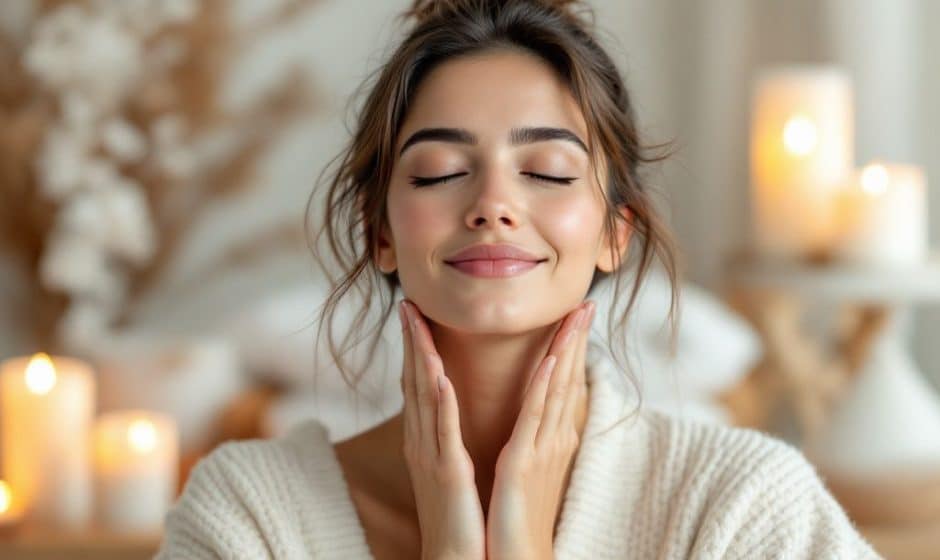

Imagine walking into a room and being instantly enveloped by a calming aroma. You’ve likely experienced the power of scent without even realizing it. But here’s the kicker—aromatherapy isn’t just about making a room smell nice. It’s about using those scents to bring some serious balance to your life, especially when it comes to hormone regulation and overall aroma health.
Anyone who’s ever been stressed (so, all of us) knows how hard it can be to keep things in check. When our hormones run amok, it can feel like we’re stuck in a never-ending whirlwind of chaos. But aromatherapy? Well, it might just be the gentle nudge your body needs to get back on track. You might find yourself asking, “How can a fragrance possibly do that?” Well, give this a try, and trust me, it might be just the balance you’re seeking.
The Science of Scent: Where Aroma Meets Health
Scent isn’t just a passive sense; it’s intricately connected to your brain and your hormones. Here’s the lowdown: Essential oils used in aromatherapy are derived from natural plant extracts. They’re potent—sometimes a little goes a long way—and they interact with your system in fascinating ways.
When you inhale an essential oil, it travels through your olfactory system and into your brain. Cue the magic, as it influences your limbic system, the place where emotions, behaviors, and even long-term memory hang out. More importantly, it’s where hormone regulation dances its delicate dance.
Why It Matters: Balancing Hormones Naturally
Why should you care about hormone regulation in the first place? In simple terms, hormones are chemical messengers that control most bodily functions, from simple basic needs like hunger to complex systems like emotions. If they’re not balanced, you can feel fatigued, moody, or worse. Aromatherapy helps simply by triggering these brain regions to release feel-good chemicals like serotonin and dopamine, reigning in any hormonal wilderness.
The process is like a gentle push, encouraging your body to establish that equilibrium it thrives on. Imagine it like a whisper to your overwhelmed system – “Hey there, let’s chill and get back to balance.” In today’s fast-paced world, that kind of reset is like gold dust.
Intro to Essential Oils: Your Aromatic Amigos

Now, you might be wondering, what oils should I start with? With so many oils out there, knowing which to pick can be a bit bewildering. But you’ll soon find your favorites.
**1. Lavender**: Widely renowned for relaxation and sleep improvement. Its calming effects can ease anxiety and stress, essential for keeping cortisol (that stress hormone) in check.
**2. Clary Sage**: Known to up the ‘feel-good’ factor by reducing cortisol levels and improving estrogen balance. A real friend during that time of the month.
**3. Geranium**: Goes hand in hand with natural hormone regulation, helping manage stress and emotions by balancing adrenal cortex function.
**4. Ylang Ylang**: This one’s a mood booster and stress calmer. Perfect if tension headaches pop up whenever life gets wild.
**5. Bergamot**: For those who could use a pick-me-up, it’s uplifting and known for creating a sense of joy, balancing depression-inducing chemicals.
Together, these essential oils are like a health squad, each one bringing its special skills to the hormone balancing party.
Your Essential Oil Toolbox: How to Use Them
Alright, let’s talk application. How do you actually incorporate these oils into your daily ritual? Luckily, it’s as easy as pie. Here are a few engaging methods you can incorporate into your day-to-day:
Diffusing

Pop a few drops of essential oil into your diffuser and surround yourself with their benefits. The aroma fills the room, and you breathe it in, allowing the oils to interact with your mind and, ultimately, your mood and hormones. Whether you’re working, sleeping, or exercising, it adds a little extra zen to the atmosphere.
Inhalation
Not keen on waiting around while the diffuser does its magic? Direct inhalation might be your go-to. Place a drop or two of the oil on your palms, rub them together, and take a few well-paced breaths. It’s quick, it’s effective, and it’s great for on-the-go aroma therapy.
Topical Application
When it comes to your skin, dilution is key. Mix a drop or two of essential oil with a carrier oil (like coconut or jojoba oil) and massage it into pulse points. Wrists, temples, and behind your ears are your targets; they are the warm spots where the oil can most effectively do its work.
Aromatherapy Baths
Imagine ending your day by slipping into a soothing bath. Add a few drops of your favorite balancing essential oils to the water for a truly immersive experience. Listen up: the bath isn’t just relaxing, the heat opens up your pores, letting the oils go straight to work on your hormone regulation.
Scent and Sensibility: Building a Routine
Finding balance through aromatherapy isn’t about a one and done; it’s about creating habits. Think of it as a daily ritual that feels more like self-care pampering and less like chemistry class. Check your mindset, half this journey’s an attitude shift. Choose oils that resonate with you, make your environment a nurturing place, and find rituals that serve as your daily reminder that, yes, you’ve got this.
Reinforce and Reassess

Establish your routine, give it time, and stick to it. Our bodies are complex systems, and essential oils naturally guide us back to balance over time. Be open to changing things up based on how you feel. What’s cool here is the feedback loop: the better you feel, the more you’ll find yourself wandering back to essential oils without even realizing it.
Common Pitfalls and How to Avoid Them
First off, let’s get something straight: there aren’t magic cures floating around in essential oil bottles. They’re tools to keep in your arsenal, but not a replacement for other health practices. Here are a few reminders to keep you safe and savvy.
- Research Brand Quality: Pure and high-quality oils mean better results and lesser risks of allergic reactions. Look for brands that offer transparency.
- Patch Test First: Always test a small diluted amount on your skin before slathering it all over. Some oils can irritate, especially if they’re not diluted properly.
- Moderation is Key: More isn’t always better. Essential oils are potent, so less is often more.

- Consult: Pregnant, nursing, or have medical conditions? Chat with your doctor first. Safety should always trump trying out the latest wellness trend.
Final Thoughts: Your Aromatherapy Adventure Awaits
By integrating essential oils into your daily routine, you’re leaning into a natural way to regulate hormones and improve your aroma health. This isn’t just about reacting to stress or anxiety; it’s an interplay between proactive care and reactive relief.
Weave aromatherapy into the fabric of your day, and observe how your mood stabilizes, your outlook brightens, and your hormones find their footing. The journey to balance through scent is truly an adventure worth embarking on—for the benefits it brings and the joy it provides along the way.
Go ahead and give this nurturing practice a spin. Start with small steps, tune into your reactions, and remember, this is your journey to a balanced, fragrant harmony. Enjoy the process. Spread those good vibes. Scented harmony, ahoy!
Frequently Asked Questions
What causes a hormonal imbalance?
A hormonal imbalance can be caused by natural changes or stages in your life, including puberty, pregnancy, perimenopause, and menopause. Other causes include partial or full hysterectomy, tumors, adenomas, and autoimmune diseases that affect the endocrine glands[3][5].
How does hormone replacement therapy (HRT) work for hormone regulation?
Hormone replacement therapy works by topping up or replacing the missing hormones in the body. During perimenopause and menopause, levels of oestradiol, progesterone, and sometimes testosterone decline. HRT involves prescribing these hormones, often in the form of patches, gels, sprays, or pills, to improve symptoms and future health[1][3].
What are the common symptoms of a hormonal imbalance?
Common symptoms include irritability and fatigue, mood swings and depression, skin dryness and loss of elasticity, water retention and weight gain, osteoporosis and joint pain, less interest in sex, insomnia, and other sleep disorders, as well as memory issues and difficulty concentrating[3][5].
What are the different types of hormone therapy available for hormone regulation?
Hormone therapy includes systemic hormone therapy (in pill form, patches, rings, gel, cream, or spray), low-dose vaginal products (cream, tablet, or ring forms), and bio-identical hormone replacement therapy, which is structurally identical to human hormones and may have fewer side effects[1][3].
References