


In today’s world, where information is plentiful yet often contradictory, navigating the complex realm of female hormone imbalance can feel like deciphering an enigma. 🤔 Understanding these imbalances, which affect a myriad of health aspects from mood swings to metabolism, calls for an evidence-based approach supported by scientific research and expert insights. Welcome to your comprehensive guide on the topic, created to bring clarity and empowerment through well-substantiated information.
Understanding Female Hormones: The Basics
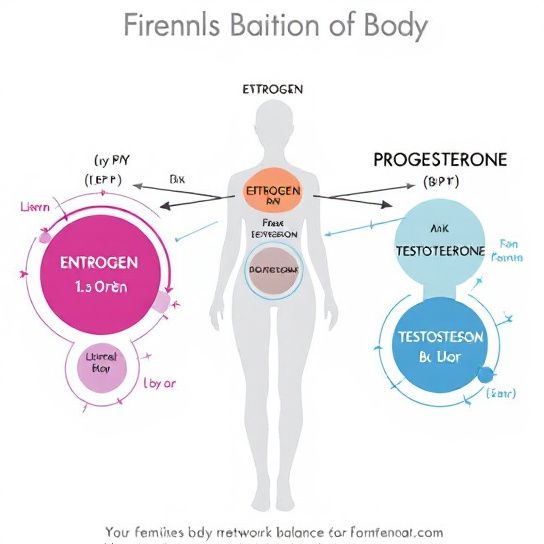
Before diving into imbalances, let’s establish a foundational understanding of the major hormones at play in the female body. Estrogen, progesterone, and testosterone, though traditionally linked to reproductive health, exert influence over many physiological systems. These hormones oversee everything from bone density to mood regulation.
**Estrogen** is primarily responsible for the development of female secondary sexual characteristics and the regulation of the menstrual cycle.
**Progesterone** plays a critical role in regulating the menstrual cycle and maintaining pregnancy.
**Testosterone**, though more abundant in males, is crucial in females for maintaining libido, bone strength, and energy levels.
What Causes Hormone Imbalance?
Hormone imbalances occur when there’s too much or too little of a hormone in the bloodstream. Factors contributing to such imbalances are diverse, ranging from life’s natural milestones like puberty and menopause to lifestyle choices.
Natural Life Stages
- Menopause Stages: Menopause, a key stage in a woman’s life, brings significant hormonal changes. Perimenopause, the transition phase, often features erratic cycles and fluctuating hormone levels. Menopause culminates in the cessation of menstruation, marked by decreased estrogen and progesterone production.
- Pregnancy and Postpartum: During pregnancy, hormone levels like estrogen and progesterone soar, then plummet after childbirth, which can impact both physical and emotional health.
Lifestyle and Environmental Factors

- Diet and Nutrition: Imbalances can stem from poor nutrition, like low-calorie diets which might trigger reduced hormone production.
- Stress: Chronic stress elevates cortisol levels, which can interfere with hormone balance, affecting menstrual cycles and overall well-being.
- Environmental Toxins: Exposure to endocrine disruptors found in plastics and pesticides can mimic or interfere with hormone production.
Female Hormone Imbalance Symptoms
When hormones are imbalanced, they significantly disrupt a woman’s quality of life. Let’s look at common manifestations:
- Mood Swings and Depression: Hormonal shifts can alter neurotransmitter activity, leading to mood disorders.
- Weight Gain and Metabolism Sluggishness: Hormones play an integral role in the metabolic process, and an imbalance often results in unexpected weight changes.
- Fatigue: Persistent tiredness can stem from hormone-related energy regulation issues, impacting productivity and lifestyle.
- Sleep Disturbances: Insufficient progesterone can lead to sleep problems, as it’s a natural sleep-promoting hormone.
- Irregular Periods: Fluctuating hormone levels disrupt the normal menstrual cycle, leading to unpredictable periods.
- Low Libido: Decreased testosterone and estrogen levels can significantly impact sexual desire and function.
Diagnosing Hormone Imbalance: When and How to Test
Understanding when and how to undergo a female hormone test is crucial for identifying and addressing imbalances. It’s essential to correlate symptoms with specific times in the menstrual cycle when seeking medical advice.
Types of Hormone Tests
- Blood Tests: Commonly used, they measure hormone levels at a point in time. Key indicators include FSH, LH, estrogen, progesterone, and testosterone.
- Saliva Tests: Often used for assessing adrenal hormones (cortisol levels) throughout the day.
- Urine Tests: Useful for assessing metabolite levels of hormones over 24 hours.
When to Test
- For Regular Menstrual Cycles: Testing serum hormone levels on specific days of the cycle (e.g., progesterone on day 21 of a 28-day cycle) provides useful information.
- Perimenopausal Women: Since fluctuations are more erratic, testing might need to be more frequent.
Evidence-based Treatments for Hormone Imbalance
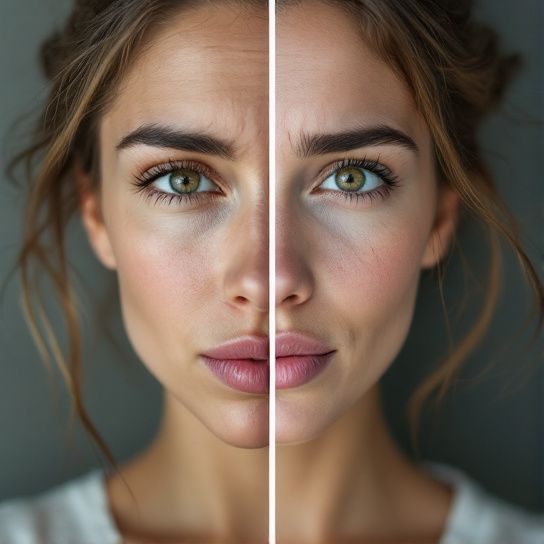
*Tackling hormone imbalance* involves a range of therapeutic approaches, from lifestyle modifications and natural remedies to clinical treatments.
Lifestyle Modifications
- Balanced Diet: Incorporating a diet rich in fiber, legumes, seeds, and omega-3 fatty acids promotes hormone production and regulation.
- Regular Exercise: Physical activity is known to enhance insulin sensitivity and support hormonal health.
- Stress Management: Techniques like yoga, meditation, and deep-breathing exercises can lower cortisol levels and aid balance.
Medical Treatments
- Hormone Replacement Therapy (HRT): Primarily used in menopausal women, HRT can help alleviate symptoms by replenishing hormone levels.
- Do This: Work with a healthcare provider to tailor HRT specifically to your needs, based on hormone levels and symptoms.
- Not That: Avoid self-prescription, as inappropriate hormone use can increase risk factors for blood clots and cancers.
- Birth Control Pills: Aside from pregnancy prevention, they can regulate periods, alleviate PMS symptoms, and reduce acne.
Natural Supplements
- Phytoestrogens: Found in foods like soy, they may help in gently balancing estrogen levels.
- Herbs: Black cohosh and Vitex are popular for managing menopausal symptoms and hormonal health, though confirming efficacy requires consulting with healthcare providers.
Real-World Applications: Case Studies
Case Study 1: Sarah’s Perimenopause Journey
*Background*: At 47, Sarah began experiencing severe mood swings and irregular cycles. A blood test confirmed fluctuating estrogen levels characteristic of perimenopause.
*Solution*: Integrating HRT alongside practicing mindfulness meditation helped Sarah stabilize her mood swings, proving the effectiveness of combining medical treatment with lifestyle adjustments.
Case Study 2: Fitness Professional Jocelyn
*Background*: As a fitness professional, Jocelyn maintained a rigorous schedule but dealt with unexplained fatigue and weight gain at 35. A hormone panel revealed low progesterone levels.
*Solution*: Adjusting her workout routine to include more restorative yoga, ensuring adequate rest, and introducing a progesterone cream balanced her hormone levels, allowing her to reclaim her energy.
Common Missteps and Best Practices
Avoiding Mistakes
- Self-Diagnosing and Treating: Rely on professional testing for a precise diagnosis; don’t guess based on symptoms alone.
- Ignoring Psychological Symptoms: Overlooking mood disorders associated with hormone imbalance can delay effective treatment.

Best Practices
- Consistent Review: Maintain regular follow-ups with healthcare providers to adjust treatments.
- Holistic Approach: Embrace an integrative strategy, combining lifestyle, dietary, and medical solutions.
Concluding Thoughts: The Journey to Hormonal Balance
Navigating female hormone imbalance requires patience, informed decisions, and often, a team of supportive healthcare providers. As illustrated in this guide, these imbalances, while complex, are not insurmountable. Armed with evidence-based information and the guidance of medical professionals, achieving hormonal balance is within reach, assuring a healthier, happier life. 📚
Whether you’re embarking on this journey due to recent symptoms or aiming to support someone else, understanding and correctly addressing hormone imbalances can transform lives, making knowledge your most potent tool.
Frequently Asked Questions
What are the benefits of using a hair mask in my hair care routine?
Using a hair mask can provide several benefits, including hydration, smoothing, strengthening, curl definition, heat protection, and damage repair. Hair masks infuse the hair with moisture, help coat the hair shaft to seal split ends, reduce breakage, and protect the hair from heat styling and environmental damage[1][4].
What ingredients should I look for in a hair mask?
Effective hair masks often include ingredients such as coconut oil, argan oil, shea butter, honey, avocado oil, green tea, and coconut water. These ingredients provide nourishment, moisturize, and protect the hair, offering benefits like softening, moisturizing, and protecting against damage[2][5].
How often should I use a hair mask in my routine?
You should use a hair mask whenever your hair feels dry, unmanageable, or in need of intense hydration. This can vary depending on your hair type and needs, but generally, using a hair mask once or twice a week can help maintain healthy and moisturized hair[1][4].
How do I apply a hair mask for the best results?
To apply a hair mask effectively, shampoo your hair first, then apply the mask, focusing especially on the ends where hair tends to be the most damaged. Leave the mask on for anywhere from 10 minutes to overnight, depending on the type of mask and your hair’s needs[1][4].
References