
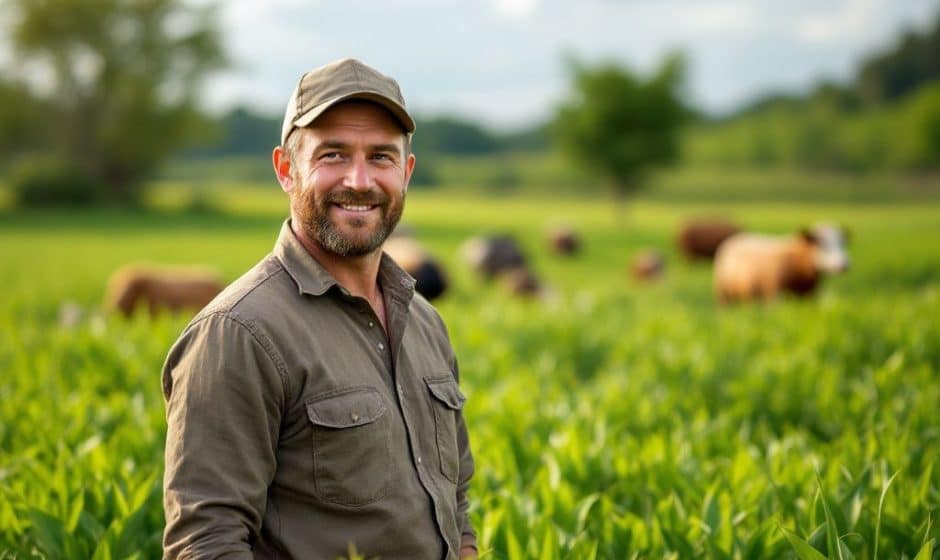

Ever noticed how some days farm work just flows, and everything clicks into place? Your herd cooperates, crops look robust, and even the weather seems to work with you. Then there are those days when nothing seems to go right. Let’s dive into something you might not have considered: the fascinating world of hormone regulation in farming. Trust me, understanding this can act as an anchor for both plants and animals, making farm management so much smoother.
A Day in the Life: Why Hormone Regulation Matters
Let’s take a step back and think about this classic scenario: you wake up, THE sun is bright, and everything feels perfectly set for a productive day. Soon after, you find a portion of crops wilting unexpectedly or animals showing signs of stress. Yes, typically, our first instinct is to check environmental conditions or the simplest explanations like water supply. But there’s another level here: hormones.
Hormones play pivotal roles in plant growth, animal health, and even your own stress levels. Plants rely on hormones like auxins and gibberellins to regulate growth, while animals have melatonin, cortisol, and other crucial hormones affecting their well-being. By paying attention to lth., farmers can leverage science to ensure robust farm health.
Getting to Grips With Plant Hormones
**Let’s Break Down the Key Plant Hormones:**
- Auxins: These hormones are vital for root development. Next time you’re dealing with transplant shock, think about how auxins can help reduce plant struggle.
- Gibberellins: Want hefty-sized fruits and improved plant height? Gibberellins promote cell enlargement. It’s like giving certain plant processes a caffeinated boost.
- Cytokinins: Pair cytokinins with auxins for a balanced, well-developed plant structure. It’s akin to a carefully curated dance — too much of one without the other, and things can become a little chaotic.
- Abscisic Acid (ABA): This hormone is the plant world’s stress hormone. During dry spells, ABA helps slow down water use, essentially putting plants in survival mode.
- 5. **Ethylene: This is the ripening hormone. Be careful, though – tiny amounts aid fruit ripening, but too much can damage crops.
Did you know you can manipulate these hormones naturally? Play with the shadowing in greenhouses or adjust the planting times to naturally alter hormone levels in plants. And it’s not just’naturally there’ — specific techniques can have quite a noticeable result! Ante up your farming game by experimenting with these hormonal behaviors.

Taking Charge of Animal Hormones
On the livestock side of things, hormone regulation is just as crucial. If you’ve ever wondered why milk production dips or breeding results aren’t up to par, consider the hormonal balance at play.
Critical Hormones in Farm Animals
- Melatonin: This hormone dictates sleep cycles and is influenced by light exposure.
- Cortisol: Known as the stress hormone. Overproduction can lead to lowered immunity, negatively impacting health and productivity.
- Progesterone and Estrogen: Vital for reproduction and milk production.
By moderating light exposure in barns, you can influence melatonin levels. Want calmer livestock? Creating a consistent, peaceful environment where their stress hormones remain in check is key. Try spending time observing animal habits and moods. You might catch early mindsets of stress or hormonal imbalance that otherwise fester into bigger problems.

Practical Farm Management Hacks
Now that we’ve sketched the contours of hormones and their roles, let’s jump into the practical stuff on the farm. These hormone-based suggestions might just blow your expectations through the roof.
Crop Management with Hormone Intelligence
- Shadow Strategy: Use shading nets to alter light patterns in your greenhouses. This gamifies the control of growth hormones like auxins and gibberellins.
- Natural Fertilizers: Compost tea isn’t just for nutrients — it encourages beneficial microbial activity which can synergize with plant hormones.
- Winter Tricks: Off-season? Sprinkle some biostimulants that encourage gibberellin activity for an unexpectedly productive winter crop.
Animal Management Methods
- Lighting Control: Implement a dimming strategy in barns to regulate melatonin naturally. Tries combining dawn simulation with gradual lighting.
- Bedding Sand Play: An easy stress reducer! On hot days, this material cools animals’ undersides, reducing cortisol.
- Social Space Insights: Having spaces that allow animals to roam aids in the natural production of healthy hormones. Look closely, sometimes simply offering a ‘buddy time’ for social animals reduces stress.
Solving Common Farming Challenges with Hormone Regulation

Sometimes it’s just trial and error at the start. You tweak processes, take notes, and continually refine your approach. Take heart: some headaches that seemed perpetually stubborn start dissolving with hormone regulation in the mix.
Let’s put down a few case scenarios:
**Scenario 1**: Your crops aren’t flowering as expected. While nutrient deficiency might be a go-to reasoning, disrupted auxin levels can also exhibit such symptoms.
**Scenario 2**: Farm animals seemed jittery and not quite themselves. Besides various possible factors, check out if cortisol spikes triggered this change.
Rather than sweeping these challenges away with one-off solutions, dive into the hormonal mesh at play! It might fix what seemed like a perpetual cycle of issues.

Reflections, and a Recap of Hormone Regulation Importance
Alright, let’s reflect — hormone regulation, for both plants and animals, presents a pathway to improved farm health and productivity. Weaving these hormonal understandings into daily farm life may seem like an elaborate jigsaw at first, but it’s more approachable than you’d think.
- Auxins drive root systems; observe these interactions with light and shading modification.
- Gibberellins influence plant size; orchestrate their production for your tall-tree goals.
- Animal Stress Hormones like cortisol — manage them through environment tweaking.
- Explore creative possibilities with **melatonin via practical lighting strategies.
Trust me on this one: each nudge towards understanding these underlying processes catapults farm health. Status quo holds no candle to hormone-guided farming.
As we call it a wrap, remember that hormone regulation isn’t merely academic or out-of-reach wisdom — it’s tangible, refined expertise ready to elevate your ten-acre problems into dreamier green pastures. Imagine the possibilities as you cultivate and nurture the living systems on your farm through careful hormone insight. Growing and optimizing farm life isn’t ever stagnant, but when integrated with a hormonal intel, you spin the best combinations of environmental harmony over mechanical chores. Isn’t that an exciting way to harvest not just more produce but a fuller story of farming itself?
Frequently Asked Questions
What causes a hormonal imbalance?
A hormonal imbalance can be caused by natural changes or stages in life, such as puberty, pregnancy, perimenopause, and menopause. Other factors include genetics, aging, increased daily stress, and significant life events like a partial or full hysterectomy[3][5].
What are the signs and symptoms of a hormonal imbalance?
Signs and symptoms can include irritability and fatigue, mood swings and depression, skin dryness and loss of elasticity, water retention and weight gain, osteoporosis and joint pain, decreased interest in sex, insomnia and other sleep disorders, and memory issues and difficulty concentrating[3][5].
How can hormone replacement therapy help with hormonal imbalance?
Hormone replacement therapy can restore stable hormone levels, leading to improved sleep, increased energy, enhanced memory, better concentration, elevated mood with fewer mood swings, smoother and more hydrated skin, increased interest in sex, better weight regulation, and joint and bone protection[3][5].
What are some natural approaches to achieving hormonal balance?
Natural approaches include dietary changes such as consuming clean proteins like nuts, beans, and lentils, lean proteins from organic sources, healthy fats like coconut oil, and leafy vegetables rich in antioxidants. Additionally, maintaining optimal fitness and nutrition, and reducing stress can help achieve hormonal balance[1][4].
References