


In today’s fast-paced world, the very essence of what makes us feel balanced is often skewed. As women face hormonal disruptions wrought by stress, lifestyle, and environmental factors, the quest for achieving balanced hormones can often seem like a monumental journey with sporadic triumphs and setbacks. 🏞️ Let’s delve into this compelling narrative to uncover how women across the globe are successfully reclaiming their hormonal peace — blending ancient wisdom with modern science — in pursuit of a more balanced life.
The Hormonal Symphony: Where It All Begins 🎶
To truly understand the journey of achieving balanced hormones, we must first appreciate the role hormones play in our bodily functions. These powerful chemical messengers control nearly every aspect of well-being, from metabolism and reproductive health to mood and libido. When hormones are in harmony, the human body functions like a well-tuned orchestra. However, when imbalances occur, the result can be a cacophony of health issues — affecting not just physical health, but emotional and mental well-being as well.
Women, in particular, are profoundly affected by hormonal changes throughout their lives. From puberty and menstruation to pregnancy and menopause, each stage presents its unique set of challenges. Research indicates that a staggering 80% of women experience some form of hormonal imbalance during their lifetime (North American Menopause Society). That’s why understanding how to effectively manage these fluctuations has become a critical concern for the modern woman.
Understanding Hormonal Imbalance and Its Indicators
Hormonal imbalances can manifest in a myriad of ways. Common symptoms include irregular periods, mood swings, weight gain, fatigue, and fertility issues. According to a study by the Endocrine Society, nearly one in four women have experienced severe symptoms of hormonal imbalance, often prompting them to seek medical consultations for relief. However, addressing the root causes rather than just symptoms is crucial for long-term hormone balance.
Real-World Scenarios:
- Samira’s Case: Samira, a 32-year-old marketing consultant, started experiencing severe fatigue and unpredictable menstrual cycles. Her doctor identified high cortisol levels due to chronic stress, impacting her thyroid function. A comprehensive hormone evaluation helped tailor a personalized treatment plan that included stress management techniques and dietary adjustments to gradually bring her cortisol back to optimal levels.
The Hormone Balancing Act: Techniques That Work 🧘♀️
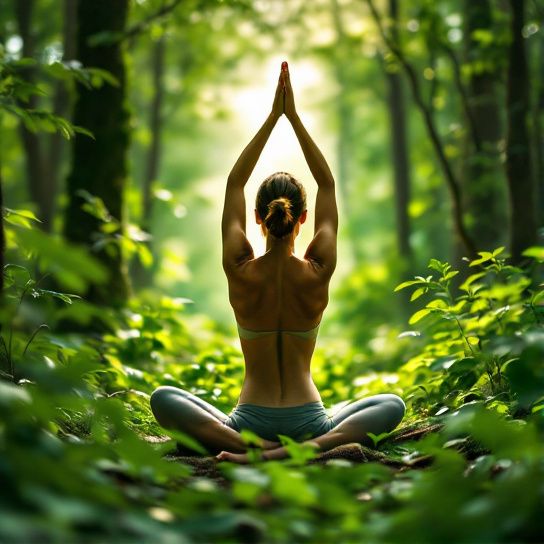
Reclaiming hormonal balance requires a multifaceted approach, encompassing lifestyle modifications, diet, and sometimes medical interventions.
1. The Power of Nutrition: Hormone Balancing Diet
Diet is arguably one of the most powerful tools at our disposal in the quest for hormone balance. Eating a hormone balancing diet rich in whole foods can significantly impact endocrine health.
Key Components:
- High-Quality Fats: Essential fatty acids found in avocados, fish, and nuts are critical for hormone production and mood regulation.
- Fiber-Rich Foods: Promotes healthy estrogen levels by aiding in detoxification processes. Foods like vegetables, fruits, and whole grains are essential.
- Lean Protein: Supports the body’s production of amino acids and peptides necessary for hormone synthesis.
Practical Advice:
Consider integrating **superfoods** like maca root, known for its ability to naturally balance hormones and boost energy. Incorporate plenty of dark leafy greens, which provide necessary micronutrients and serve as detoxifiers in the body.
2. Lifestyle Adjustments: Stress Reduction
Chronic stress is a well-known catalyst for hormonal chaos. The American Psychological Association underscores how chronic exposure to stress can exacerbate hormonal disruptions by ramping up cortisol levels.
Techniques:
- Mindfulness and Meditation: Research from Johns Hopkins University demonstrates that regular mindfulness practice can reduce cortisol levels and improve emotional resilience.
- Regular Exercise: Studies show that consistent physical activity helps regulate insulin levels and reduces inflammation, directly impacting hormonal health.
Example in Practice:
**Carmen’s Transformation**: Carmen took on yoga and mindfulness as part of her daily routine, which over six months dramatically decreased her anxiety and improved her sleep quality, reflecting positively on her hormonal health metrics.
3. Integrative Therapies and Medical Interventions
For many, lifestyle changes alone may not suffice, especially with conditions like PCOS or thyroid imbalances. Here, integrating alternative treatments and personalized medical interventions can be pivotal.
Therapeutic Approaches:
- Acupuncture: Targets specific energy meridians for hormonal regulation and has been shown effective in regulating menstrual cycles and reducing PMS.
- Bioidentical Hormone Therapy: Offers a tailored approach, utilizing lab-derived, structurally identical hormones to cater to individual patient needs.
Evidence and Standards:

Clinical studies have revealed that patients on **bioidentical hormone replacement therapy** report reduced menopause symptoms with fewer side effects compared to synthetic hormones (Journal of Women’s Health).
Supporting Hormonal Health Through Advanced Research 📚
The science of hormone health continues to advance, with exciting new research constantly emerging. Innovations in genetic testing and molecular biology provide deeper insights into individualized hormone management.

Example in Action:
Advanced protocols now consider genetic markers in prescribing treatments. A 2022 pilot study conducted by Stanford University suggests that genotyping can significantly improve the precision of hormone-related disorder treatments.
Conclusion: A Harmonious Journey to Wellness
Ultimately, reclaiming hormonal balance is not a one-size-fits-all journey—it’s a personalized, iterative process that empowers women to tap into their unique biological makeup. By combining diet, lifestyle adjustments, and medical interventions, women are not only managing symptoms but are actively participating in crafting their health narratives. 🌿
As science and awareness grow, the pathways toward sustained hormonal balance will continue to expand, illustrating a journey not only towards peace but a robust, informed, and healthier life. Let us continue advocating for research-driven, holistic strategies to empower all women on this vital journey to hormonal equilibrium.
Frequently Asked Questions
What are the benefits of using a hair mask in my hair care routine?
Using a hair mask can provide several benefits, including hydration, smoothing, strengthening, curl definition, heat protection, and damage repair. Hair masks infuse the hair with moisture, help coat the hair shaft to seal split ends, reduce breakage, and protect the hair from heat styling and environmental damage[1][4].
What ingredients should I look for in a hair mask?
Effective hair masks often include ingredients such as coconut oil, argan oil, shea butter, honey, avocado oil, green tea, and coconut water. These ingredients provide nourishment, moisturize, and protect the hair, offering benefits like softening, moisturizing, and protecting against damage[2][5].
How often should I use a hair mask in my routine?
You should use a hair mask whenever your hair feels dry, unmanageable, or in need of intense hydration. This can vary depending on your hair type and needs, but generally, using a hair mask once or twice a week can help maintain healthy and moisturized hair[1][4].
How do I apply a hair mask for the best results?
To apply a hair mask effectively, shampoo your hair first, then apply the mask, focusing especially on the ends where hair tends to be the most damaged. Leave the mask on for anywhere from 10 minutes to overnight, depending on the type of mask and your hair’s needs[1][4].
References![[Peace, Finally] How Women Are Reclaiming Hormonal Balance](https://hormonehealthqueen.com/wp-content/uploads/2025/05/hormone_balance_feature-150x150.jpg)
![[Peace, Finally] How Women Are Reclaiming Hormonal Balance](https://hormonehealthqueen.com/wp-content/uploads/2025/05/how_to_balance_your_hormones_naturally_feature-150x150.jpg)