
Blog Post

hormonehealthqueen > Articles by: Nariman Abd Elmonim
hormone regulation

Navigating Post-Surgery Hormones for a Smoother Healing Process

Post-surgery hormones play a crucial role in the healing process. Understanding hormone regulation can help you navigate the recovery journey more smoothly. Hormones like cortisol, adrenaline, and endorphins can either support or hinder the healing process, depending on their balance. By managing stress, practicing gentle movement, and maintaining a healthy diet, you can promote hormone regulation and speed up recovery.

Read More
hormone regulation

Finding Balance in Chronic Pain Management Through Hormone Regulation

Chronic pain management often feels like a tightrope walk. Understanding hormone regulation can play a pivotal role in managing chronic pain, as hormones influence how our bodies perceive and react to pain. Maintaining optimal hormone levels is crucial for effective pain management. By regulating hormones through dietary adjustments, exercise, quality sleep, and stress management, individuals can alleviate chronic pain and improve their overall quality of life.

Read More
hormone regulation

Nerve Pain Hormone Guide: Understanding the Connection and Finding Relief

Hormones like cortisol, estrogen, and insulin have a say in how our nerves function and feel, and balancing them might just be the key to easing nerve pain. By understanding the connection between hormone regulation and nerve pain, we can take practical steps towards finding relief. Managing stress, supporting hormonal balance, and maintaining blood sugar levels are just a few methods that can make a real difference.

Read More
hormone regulation

Finding Balance in Muscle Pain: A Relatable Guide to Relief

Muscle pain often stems from more than one cause, including overuse, stress, and hormone regulation. When hormone levels are off, muscles can start acting up, craving relief they just can’t seem to find. Balanced hormones equal happier muscles, so it’s essential to listen to your body, act wisely on its cues, and strive for balance, both inside and out.

Read More
hormone regulation

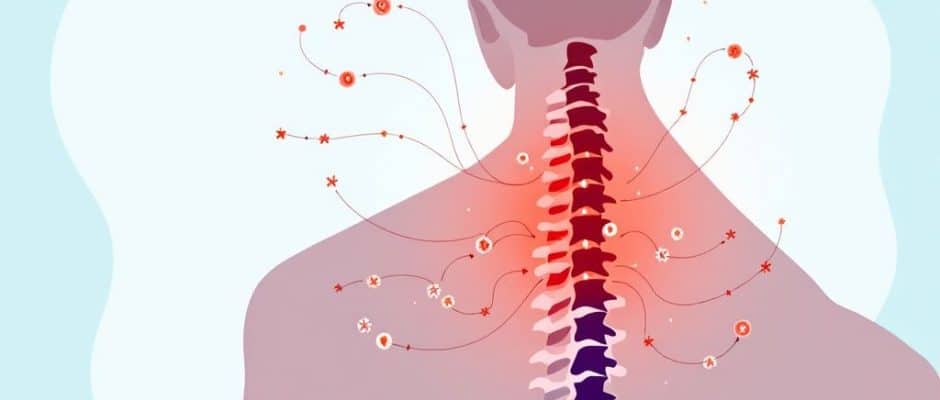
Understanding the Spine: Your Back Pain Hormone Guide

Hormone regulation might not be the first thing to pop into your head when you think of back pain relief, but exploring this link could unlock some of the solutions you’ve been looking for. Hormones communicate with nerves and muscles, setting the tempo of the continuous dance along the spine, and hormonal imbalance can subtly tip scales from tingling discomfort to throbbing pain.

Read More
hormone regulation

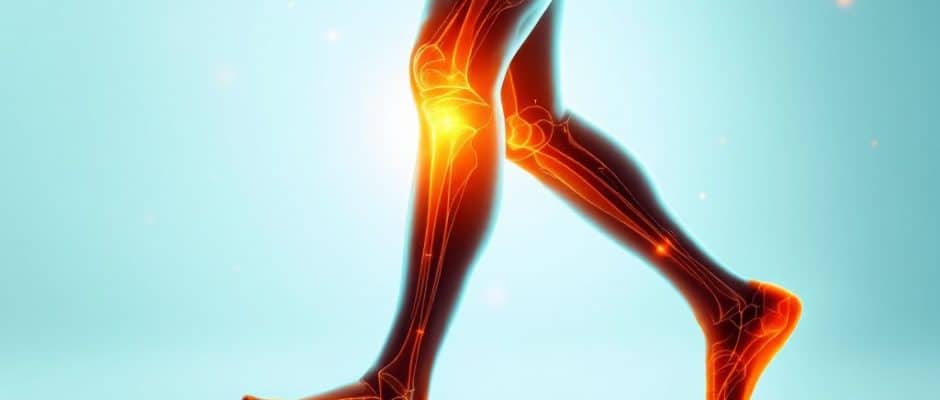
Exploring Knee Pain and Hormone Balance: A Real Conversation

Hormone regulation plays a significant role in knee pain relief. Hormones like estrogen, testosterone, and cortisol impact joint health and inflammation levels. By understanding the connection between hormones and knee pain, individuals can take practical steps towards balancing their hormones for better joint health. Dietary choices, exercise, stress management, and supplements can all contribute to hormone regulation and knee pain relief.

Read More
hormone regulation

Understanding Tennis Elbow

Tennis elbow, or lateral epicondylitis, happens when you overstress the elbow joint, leading to small tears in the tendons. It’s pretty common among folks who do repetitive motions. Hormone regulation plays a crucial role in healing and muscle repair, and an imbalance can sometimes stall recovery. Maintaining a balanced diet, hydration, and proper sleep can support hormone levels and aid in tissue repair.

Read More
hormone regulation

Finding Balance with Frozen Shoulder: A Conversational Guide

Frozen shoulder, or adhesive capsulitis, can be a painful and frustrating condition. However, hormone regulation plays a crucial role in reducing inflammation and maintaining good tissue health, directly affecting our joints. By maintaining hormone regulation through diet, exercise, and sometimes with medical interventions, you might find a decrease in symptoms and a step towards better shoulder harmony. Certain hormones help regulate the processes that reduce inflammation and maintain good tissue health, directly affecting our joints. Imbalances, particularly in menopausal women, can exacerbate symptoms of frozen shoulder.

Read More