


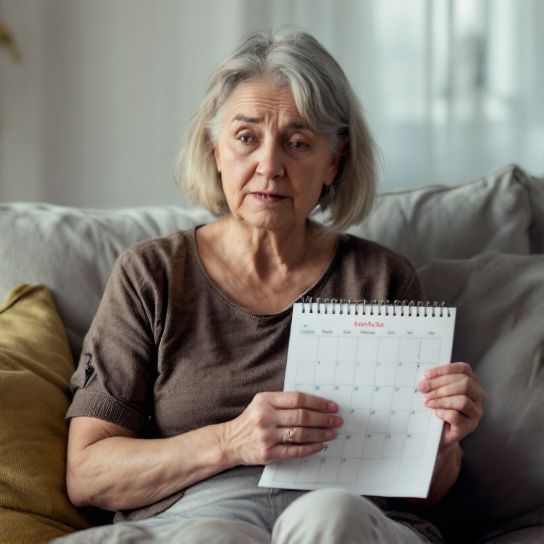
Navigating the transitional stages of menopause can be a complex journey. Imagine your body feels like it’s finally settling into some semblance of balance, only to experience unexpected menstrual-like bleeding. 😟 This isn’t merely inconvenient but can also be alarming. Dive into our evidence-based analysis of abnormal bleeding during menopause, bolstered by scientific research and expert insights that you can trust.
Understanding Menopause and Its Stages 🌼
The understanding of menopause is crucial as it serves as the backdrop against which abnormal bleeding during this life stage unfolds. Menopause is defined as the permanent cessation of menstruation, marking the end of a woman’s reproductive years. It can be broken down into distinct phases:
1. Perimenopause: The Prelude
This transition can start as early as a woman’s 30s or as late as her 50s. During perimenopause, estrogen and progesterone levels begin to decline erratically, leading to symptoms like hot flashes, mood swings, and notably, changes in menstrual cycle patterns—often resulting in periods that are less predictable in timing and flow. 🌊
2. Menopause: The Milestone
Menopause itself is reached when a woman has gone 12 consecutive months without a menstrual period. The average age of this transition in the United States is 51. At this stage, the body adjusts to life with lower hormone levels, and most menstrual cycle-related symptoms phase out.
3. Postmenopause: The Aftermath
This period signifies the years following menopause. Despite the long-awaited cessation of periods, some women face the unexpected challenge of bleeding or spotting.
Abnormal Bleeding: Why It Happens
Abnormal bleeding post-menopause can be linked to various hormonal imbalances and other medical conditions. Understanding the potential causes can guide individuals in seeking appropriate medical advice.
Hormonal Fluctuations
It is not uncommon during perimenopause, or even postmenopause due to underlying ovarian activity or external hormonal treatments, for hormonal fluctuations to cause abnormal bleeding. However, if bleeding continues without intervention, it requires attention from a healthcare provider for a proper diagnosis.
Uterine Fibroids and Polyps
Benign growths such as fibroids or polyps can also contribute to unexpected bleeding 💬. Fibroids typically develop during the childbearing years, but can cause issues post-menopause. Polyps, on the other hand, may develop due to chronic inflammation or changes in estrogen levels.
Endometrial Atrophy
Following menopause, the endometrial lining may become very thin, a condition known as atrophy. This fragile tissue can lead to slight bleeding or spotting.
Endometrial Hyperplasia
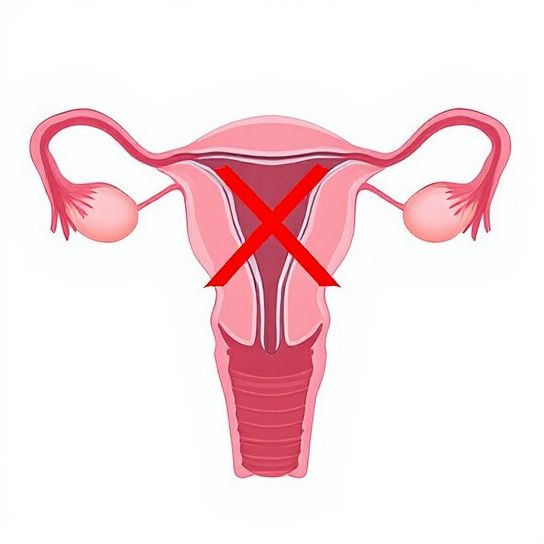
On the contrary, thickening of the uterine lining (hyperplasia), which may be associated with continued estrogen exposure without progesterone balancing, can also cause post-menopausal bleeding. This condition can sometimes lead to endometrial cancer.
Medical Conditions: Red Flags to Watch 🏥
Prolonged abnormalities in bleeding may indicate serious conditions like endometrial cancer. Although not the only cause, it’s crucial to consult a healthcare provider if bleeding is accompanied by pain or other unusual symptoms.
Scientific Research and Insights 📚
Several studies and meta-analyses offer insights into the prevalence and management of abnormal bleeding during menopause:
- Research by the North American Menopause Society concluded that approximately 90% of women experience irregular periods during perimenopause. Post-menopausal women reporting bleeding in about 5-10% of cases required further investigation.
- A 2021 systematic review highlighted the necessity of biopsies or diagnostic imaging in individuals reporting post-menopausal bleeding to rule out malignancy.
These data reinforce the critical need for professional evaluation of any abnormal bleeding episodes.
Diagnosing the Causative Factors 🩺
Upon presenting with abnormal bleeding, medical practitioners typically recommend a multifaceted approach to identify causative factors.
Diagnostic Measures
- Pelvic Examination and Ultrasound/Imaging: Essential to observe and rule out growths and structurally visualize the endometrium.
- Endometrial Biopsy: To analyze abnormal growth or hormonal imbalances potentially leading to excessive bleeding.
- Blood Tests: Necessary to assess overall health status and measure hormone levels, contributing to understanding the possible hormonal imbalances.
Treatment Options: Tailored Interventions
Once a diagnosis is established, several treatment options may be considered, based on the individual’s specific condition and needs.
Hormonal Therapy 💊
For hormonal imbalances, hormone replacement therapy (HRT) can effectively alleviate symptoms. However, HRT isn’t a one-size-fits-all solution; it should be customized per patient medical history and current symptomatology.
Surgical Interventions
For individuals with benign growths such as fibroids, a hysterectomy or other surgical procedures may be necessary if these are large or symptomatic. Not all fibroids necessitate removal, particularly if they are not causing symptoms.
Lifestyle Modifications 🍽️
Diet and lifestyle management can significantly impact hormone levels and bleeding. A balanced diet rich in phytoestrogens 🌿, regular exercise, and stress management techniques can support overall hormonal balance, alleviating some symptoms.

Real-World Applications: Practical Tips
Navigating through menopause requires adaptation and responsive healthcare practices, but here are some proactive measures you can adopt:
- Maintain a Menstrual Log: Record regularly your symptoms, bleeding instances, and flow patterns. This log assists your healthcare provider in diagnosing or identifying patterns over time.
- Prioritize Regular Check-ups: Even without significant symptoms, routine gynecological exams can keep your care provider updated about your overall reproductive health.
- Stay Informed and Empowered: Educate yourself on symptoms of perimenopause and menopause. Awareness enables informed health-discussions with your healthcare provider.
Common Mistakes to Avoid ❌
- Ignoring Symptoms: Always address and report abnormal bleeding as delay could hinder diagnosis of potentially serious ailments.
- Overlooking Lifestyle’s Role: Diet and lifestyle can substantially impact menopause symptoms. Ignoring these factors can prolong discomfort.
- Self-Medicating: Avoid using over-the-counter hormone treatments without professional guidance as they may complicate diagnosis or contribute to heightened symptomacy.
Expert Tips and Best Practices 🌟

- Seek professional guidance to analyze symptoms and conduct regular monitoring, especially if you experience frequent or heavy bleeding. Early intervention can preempt more severe complications.
- Consider joining a menopause support group, facilitating shared experiences discussions, helping in deriving comfort and insights.
- Optimize bone health with calcium and vitamin D as hormonal changes might impact bone density.
Conclusion: Your Path to Proactive Health 🌟
Grasping the intricacies of abnormal bleeding during menopause is key to a smoother transitional experience. Whether you are steps from entering menopause or navigating through it, acknowledging these insights empowers you for better management and engagement with healthcare.
Engage consistently with informed healthcare professionals, employ lifestyle adjustments, and leverage peer support to ensure that this journey is manageable and health-affirming for years foundation building.
Bookmark this resource 🎯 and return as often as you need — your go-to guide on the complexities of menopause stages and abnormal bleeding will remain here to help illuminate your path through this transformative time.
Frequently Asked Questions
What are the benefits of using a hair mask in my hair care routine?
Using a hair mask can provide several benefits, including hydration, smoothing, strengthening, curl definition, heat protection, and damage repair. Hair masks infuse the hair with moisture, help coat the hair shaft to seal split ends, reduce breakage, and protect the hair from heat styling and environmental damage[1][4].
What ingredients should I look for in a hair mask?
Effective hair masks often include ingredients such as coconut oil, argan oil, shea butter, honey, avocado oil, green tea, and coconut water. These ingredients provide nourishment, moisturize, and protect the hair, offering benefits like softening, moisturizing, and protecting against damage[2][5].
How often should I use a hair mask in my routine?
You should use a hair mask whenever your hair feels dry, unmanageable, or in need of intense hydration. This can vary depending on your hair type and needs, but generally, using a hair mask once or twice a week can help maintain healthy and moisturized hair[1][4].
How do I apply a hair mask for the best results?
To apply a hair mask effectively, shampoo your hair first, then apply the mask, focusing especially on the ends where hair tends to be the most damaged. Leave the mask on for anywhere from 10 minutes to overnight, depending on the type of mask and your hair’s needs[1][4].
References