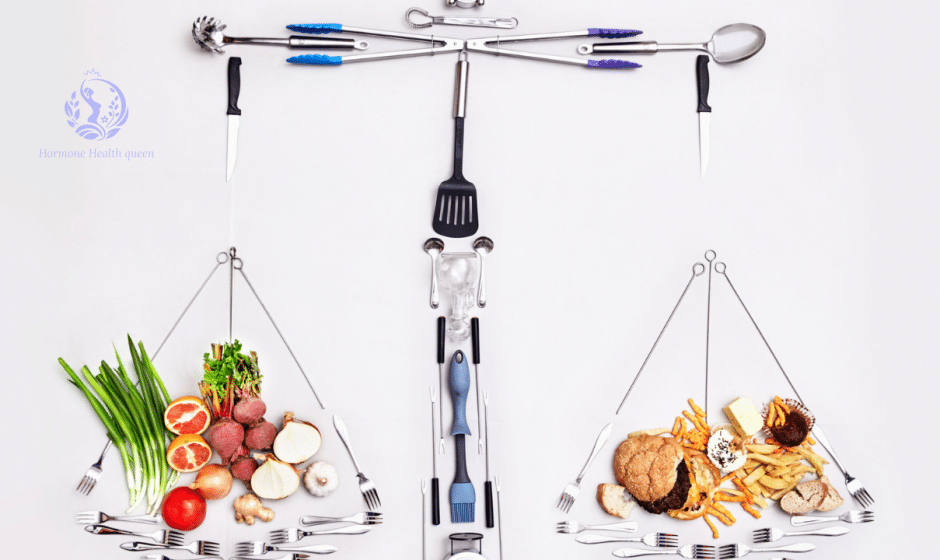

Struggling with hormone imbalances despite trying everything else?
Here’s the shocking reality: What you eat directly affects every hormone in your body, yet 85% of women with hormone issues have never received proper nutritional guidance. The foods on your plate are either supporting healthy hormone production and balance—or actively disrupting your endocrine system every single day.
The hidden problem: Many “healthy” foods marketed to women can actually worsen hormone imbalances, while some foods labeled as “bad” can be powerful hormone healers when eaten correctly. The wrong hormone diet approach can sabotage months of other treatments.
What you’ll discover in this comprehensive guide:
- The complete list of hormone-balancing vs. hormone-destroying foods
- How to eat for your specific hormone imbalances
- Phase-based eating strategies that work with your cycle
- Simple meal planning templates for optimal hormone health
Your fork is one of the most powerful tools for hormone healing—let’s make sure you’re using it correctly.
How Your Hormone Diet Affects Every System in Your Body
The Food-Hormone Connection Explained
Your digestive system is your second endocrine system:
- Gut bacteria produce and metabolize hormones
- Intestinal health affects hormone absorption and elimination
- Blood sugar stability directly impacts insulin, cortisol, and sex hormones
- Nutrient availability determines hormone production capacity
How food immediately affects hormones:
- Within 30 minutes: Blood sugar and insulin respond to what you eat
- Within 2 hours: Cortisol levels adjust based on blood sugar stability
- Within 24 hours: Gut bacteria begin producing different metabolites
- Within 1 week: Consistent dietary patterns start shifting hormone baselines
The Hormone Cascade Effect
When one hormone is disrupted, others follow:
- Insulin resistance leads to elevated testosterone and disrupted ovulation
- Chronic cortisol elevation suppresses thyroid function and sex hormone production
- Estrogen dominance affects insulin sensitivity and stress hormone balance
- Poor gut health impacts the metabolism of all hormones
Why a hormone diet approach works:
- Addresses root causes rather than just symptoms
- Supports multiple hormones simultaneously through food choices
- Provides building blocks for healthy hormone production
- Reduces inflammation that disrupts endocrine function
Foods That Destroy Your Hormones (Avoid These)
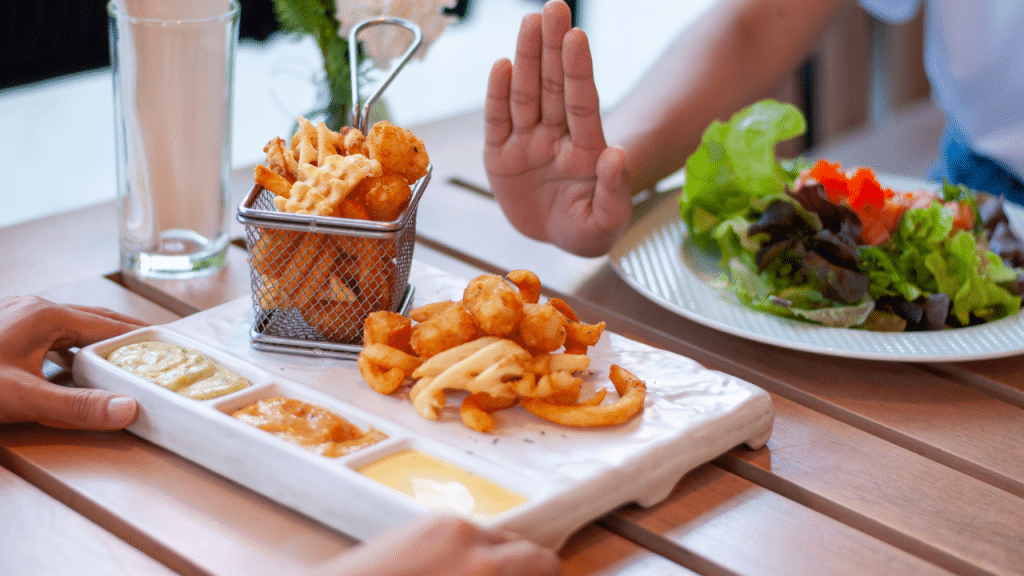
🚫 Refined Sugar and High-Glycemic Foods
Why sugar is a hormone destroyer:
- Spikes insulin leading to insulin resistance over time
- Increases cortisol as your body treats sugar spikes as stress
- Promotes inflammation that disrupts all hormone function
- Feeds harmful gut bacteria that produce inflammatory compounds
Hidden sources to avoid:
- Processed foods with added sugars
- “Healthy” granola bars and protein bars with high sugar content
- Fruit juices and smoothies without fiber balance
- White bread, pasta, and refined grains
- Flavored yogurts with added sugars
Hormone diet impact:
- Worsens insulin resistance leading to PCOS symptoms
- Increases testosterone in women through insulin pathways
- Disrupts ovulation and menstrual cycle regularity
- Accelerates estrogen dominance through various mechanisms
🚫 Conventional Dairy Products
Problems with conventional dairy:
- Contains natural hormones from pregnant cows (estrogen, progesterone)
- IGF-1 (insulin-like growth factor) that can disrupt your hormones
- Inflammatory proteins (casein) that increase systemic inflammation
- Antibiotics and synthetic hormones used in conventional farming
Specific hormone disruptions:
- Increases estrogen load contributing to estrogen dominance
- Triggers insulin response even without sugar content
- Worsens acne through IGF-1 and hormone content
- Increases inflammation affecting thyroid and adrenal function
🚫 Soy Products (Processed and High Amounts)
Why soy can be problematic:
- Phytoestrogens can mimic estrogen in the body
- Goitrogens that can interfere with thyroid function
- Often GMO and heavily processed
- High phytic acid content reduces mineral absorption
Hormone diet considerations:
- Small amounts of fermented soy (miso, tempeh) may be okay for some
- Processed soy (soy protein isolate, soy milk) more problematic
- Individual sensitivity varies significantly
- Timing matters – avoid during hormone-sensitive periods
🚫 Trans Fats and Processed Vegetable Oils
Inflammatory oils to avoid:
- Partially hydrogenated oils (trans fats)
- Highly processed vegetable oils: Soybean, corn, canola, safflower
- Fried foods and processed snacks
- Margarine and vegetable shortening
Hormone disruption mechanisms:
- Increase inflammation throughout the body
- Disrupt cell membrane function affecting hormone receptors
- Interfere with hormone production and signaling
- Promote insulin resistance and metabolic dysfunction
🚫 Alcohol (Especially Excessive Consumption)
How alcohol affects hormones:
- Increases estrogen levels by affecting liver metabolism
- Disrupts sleep which is crucial for hormone production
- Raises cortisol and interferes with stress hormone balance
- Affects blood sugar stability and insulin sensitivity
Hormone diet guidelines for alcohol:
- Limit to 3-4 drinks per week maximum
- Choose organic wine or clean spirits when drinking
- Avoid sugary mixers that compound the hormone disruption
- Time consumption away from ovulation and menstruation
🚫 Caffeine (When Consumed Excessively)
Caffeine’s hormone effects:
- Increases cortisol especially when consumed in large amounts
- Can worsen anxiety and stress hormone imbalance
- Interferes with sleep quality affecting all hormones
- May worsen PMS symptoms in sensitive individuals
Hormone diet caffeine guidelines:
- Limit to 1-2 cups coffee per day
- Avoid after 2 PM to protect sleep
- Choose organic to avoid pesticide exposure
- Pair with food to prevent blood sugar spikes
Foods That Balance Your Hormones (Eat More of These)
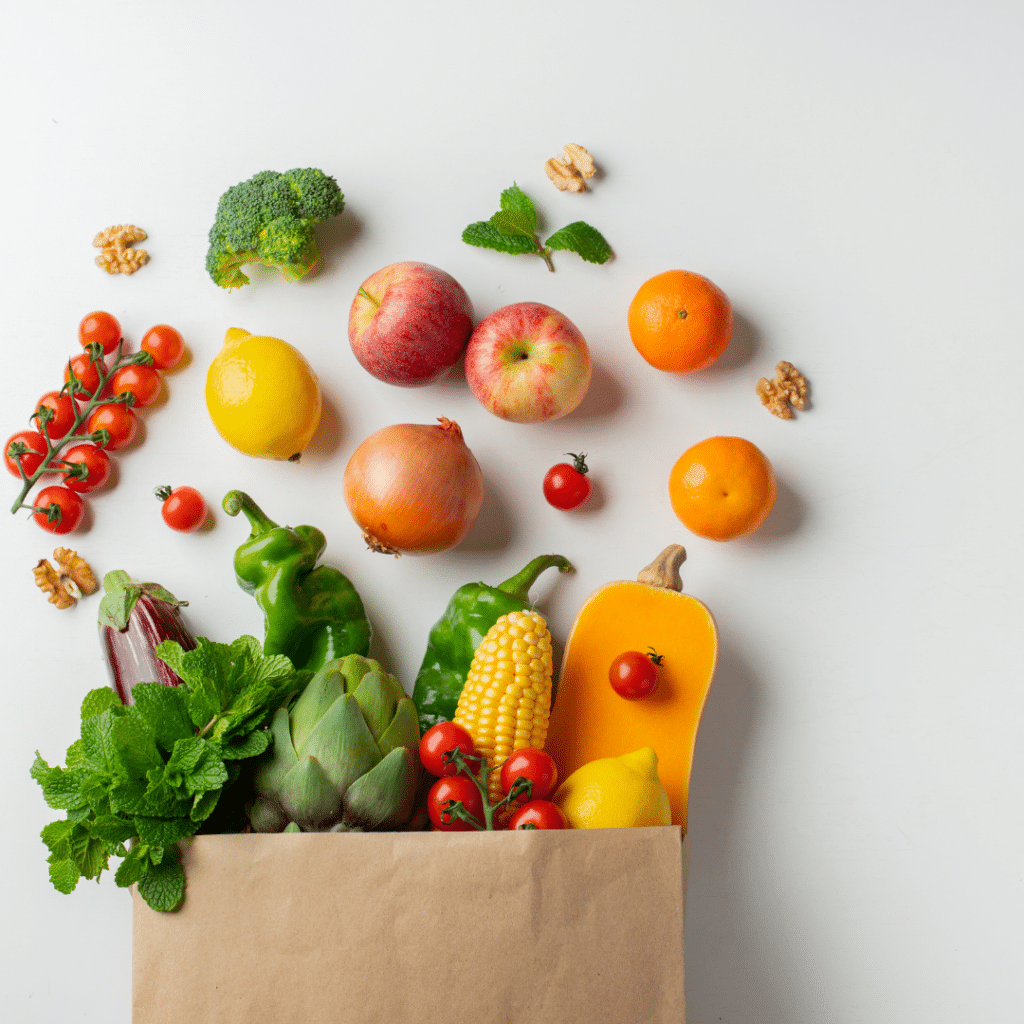
✅ Healthy Fats for Hormone Production
Essential fats for hormone synthesis:
- Avocados: Rich in monounsaturated fats and potassium
- Wild-caught fatty fish: Omega-3s reduce inflammation
- Nuts and seeds: Provide minerals and healthy fats
- Olive oil: Anti-inflammatory and hormone-supportive
- Coconut oil: Contains lauric acid and supports thyroid function
Why healthy fats are crucial:
- Cholesterol is the precursor to all sex hormones
- Essential fatty acids are required for hormone production
- Fat-soluble vitamins (A, D, E, K) support endocrine function
- Healthy fats reduce inflammation that disrupts hormones
Hormone diet fat recommendations:
- 30-35% of daily calories from healthy fats
- Include omega-3s at least 3 times per week
- Vary fat sources for optimal nutrient profile
- Avoid damaged fats from high-heat cooking
✅ High-Quality Protein for Hormone Building Blocks
Best protein sources for hormone health:
- Grass-fed meat: Higher in omega-3s and CLA
- Wild-caught fish: Clean protein plus omega-3s
- Pasture-raised eggs: Complete amino acid profile
- Organic poultry: Hormone and antibiotic-free
- Plant proteins: Legumes, quinoa, hemp seeds
Protein’s role in hormone balance:
- Provides amino acids needed for hormone synthesis
- Stabilizes blood sugar preventing insulin spikes
- Supports detoxification pathways in the liver
- Maintains muscle mass which improves insulin sensitivity
Hormone diet protein guidelines:
- 0.8-1.2g per kg body weight daily
- Include protein at every meal and snack
- Vary protein sources throughout the week
- Choose organic/grass-fed when possible
✅ Fiber-Rich Foods for Hormone Elimination
Top fiber sources for hormone balance:
- Cruciferous vegetables: Broccoli, cauliflower, Brussels sprouts
- Leafy greens: Spinach, kale, arugula
- Berries: Blueberries, raspberries, blackberries
- Legumes: Lentils, chickpeas, black beans
- Flax seeds and chia seeds: Soluble and insoluble fiber
How fiber supports hormone balance:
- Binds excess estrogen for elimination through bowel movements
- Feeds beneficial gut bacteria that metabolize hormones
- Stabilizes blood sugar by slowing digestion
- Supports detoxification pathways
Hormone diet fiber targets:
- 35-40g fiber daily for optimal hormone elimination
- Increase gradually to avoid digestive discomfort
- Include both soluble and insoluble fiber types
- Drink plenty of water with increased fiber intake
✅ Hormone-Specific Superfoods
For estrogen balance:
- Flax seeds: Lignans help metabolize estrogen safely
- Pomegranate: Antioxidants support healthy estrogen metabolism
- Green tea: EGCG supports liver detoxification
For insulin sensitivity:
- Cinnamon: Improves glucose uptake by cells
- Apple cider vinegar: Reduces post-meal blood sugar spikes
- Chromium-rich foods: Broccoli, potatoes, whole grains
For thyroid support:
- Brazil nuts: High in selenium (limit to 2-3 per day)
- Seaweed: Natural iodine source (in moderation)
- Zinc-rich foods: Oysters, pumpkin seeds, grass-fed beef
For cortisol regulation:
- Adaptogenic herbs: Ashwagandha, rhodiola, holy basil
- Magnesium-rich foods: Dark leafy greens, nuts, seeds
- Tart cherry: Natural melatonin for better sleep
Hormone Diet Strategies by Specific Conditions
PCOS (Polycystic Ovary Syndrome) Hormone Diet
Focus areas:
- Insulin sensitivity improvement through low-glycemic eating
- Anti-inflammatory foods to reduce PCOS-related inflammation
- Healthy weight management through balanced macronutrients
Key dietary strategies:
- Eliminate refined sugars and high-glycemic foods completely
- Include protein and healthy fat with every meal
- Emphasize anti-inflammatory omega-3 fatty acids
- Add spearmint tea which may help reduce testosterone levels
Sample daily eating pattern:
- Breakfast: Protein smoothie with berries and spinach
- Lunch: Quinoa salad with grilled chicken and avocado
- Dinner: Baked salmon with roasted vegetables
- Snacks: Handful of nuts or vegetables with hummus
Thyroid Dysfunction Hormone Diet
For hypothyroidism:
- Support thyroid hormone production with iodine and selenium
- Reduce goitrogenic foods (raw cruciferous vegetables in large amounts)
- Include tyrosine-rich foods for thyroid hormone synthesis
- Ensure adequate calories – restriction can worsen thyroid function
Foods to emphasize:
- Iodine sources: Seaweed, fish, eggs (in moderation)
- Selenium sources: Brazil nuts, seafood, grass-fed meat
- Tyrosine sources: Almonds, avocados, bananas
- Anti-inflammatory foods to reduce autoimmune activity
Estrogen Dominance Hormone Diet
Dietary focus:
- Support liver detoxification to eliminate excess estrogen
- Include phytonutrients that help metabolize estrogen safely
- Reduce xenoestrogen exposure from food sources
- Support gut health for proper hormone elimination
Key foods for estrogen balance:
- Cruciferous vegetables: DIM supports healthy estrogen metabolism
- Fiber-rich foods: Help eliminate estrogen through stool
- Organic foods: Reduce pesticide exposure that mimics estrogen
- Sulfur-rich foods: Support liver detoxification pathways
Adrenal Fatigue/HPA Axis Dysfunction
Nutritional support for stressed adrenals:
- Stable blood sugar to reduce cortisol production
- Adequate sodium from natural sources (Celtic sea salt)
- B vitamins for adrenal hormone production
- Adaptogenic herbs to help body manage stress
Timing considerations:
- Eat within 1 hour of waking to support cortisol rhythm
- Include protein with breakfast to stabilize blood sugar
- Avoid skipping meals which stresses the adrenal glands
- Light dinner to support evening cortisol decline
Phase-Based Eating: Syncing Your Diet with Your Cycle
Menstrual Phase (Days 1-5): Nourish and Restore
Nutritional needs:
- Iron-rich foods to replace what’s lost during menstruation
- Anti-inflammatory foods to reduce cramping and discomfort
- Warming foods and spices to support circulation
- Gentle, easily digestible options during heavy flow days
Best foods for menstrual phase:
- Dark leafy greens: Spinach, kale for iron and magnesium
- Dark chocolate: Magnesium for muscle relaxation
- Ginger and turmeric: Anti-inflammatory and warming
- Bone broth: Easy to digest, mineral-rich
- Red meat: Iron and B vitamins (if you eat meat)
Follicular Phase (Days 1-13): Energize and Build
Hormone diet focus:
- Support rising estrogen with phytoestrogen-rich foods
- Provide building blocks for follicle development
- Increase energy with complex carbohydrates
- Support liver function to metabolize increasing hormones
Optimal foods:
- Seeds and nuts: Healthy fats for hormone production
- Sprouted grains: B vitamins and gentle carbohydrates
- Citrus fruits: Vitamin C for antioxidant support
- Pumpkin seeds: Zinc for reproductive health
Ovulatory Phase (Around Day 14): Peak Performance
Nutritional support:
- Antioxidant-rich foods to protect the egg during ovulation
- Anti-inflammatory choices to reduce ovulation discomfort
- Fiber to support rising estrogen levels
- Healthy fats for optimal hormone communication
Top foods for ovulation:
- Berries: Antioxidants to protect reproductive cells
- Asparagus: Folate for healthy cell division
- Bell peppers: Vitamin C for antioxidant protection
- Olive oil: Healthy fats for hormone synthesis
Luteal Phase (Days 15-28): Stabilize and Support
Key nutritional goals:
- Support progesterone production with magnesium and B6
- Stabilize mood with blood sugar balance
- Reduce PMS symptoms through anti-inflammatory choices
- Prepare for potential pregnancy or menstruation
Hormone diet luteal phase foods:
- Sweet potatoes: Complex carbs for stable blood sugar
- Sunflower seeds: Vitamin E for progesterone support
- Lentils: B vitamins and fiber for hormone balance
- Salmon: Omega-3s for anti-inflammatory effects
7-Day Hormone-Balancing Meal Plan
| DAY | Breakfast | Lunch | Dinner | Snacks |
| Day 1 | Green smoothie with spinach, berries, protein powder, flax seeds | Quinoa bowl with roasted vegetables and tahini dressing | Baked cod with sweet potato and steamed broccoli | Apple with almond butter, handful of walnuts |
| Day 2 | Chia pudding with coconut milk and berries | Large salad with grilled chicken, avocado, and olive oil dressing | Grass-fed beef stir-fry with colorful vegetables | Hummus with cucumber slices, brazil nuts (2-3) |
| Day 3 | Vegetable omelet with spinach and herbs | Lentil soup with side of mixed greens | Baked salmon with asparagus and quinoa | Green tea, raw vegetables with guacamole |
| Day 4 | Steel-cut oats with nuts, seeds, and cinnamon | Turkey and avocado lettuce wraps | Roasted chicken with root vegetables | Berry smoothie, pumpkin seeds |
| Day 5 | Protein smoothie with greens and healthy fats | Buddha bowl with chickpeas and tahini | Wild-caught fish with roasted Brussels sprouts | Herbal tea, small portion of nuts |
| Day 6 | Avocado toast on sprouted grain bread with hemp seeds | Vegetable soup with bone broth base | Grass-fed meat with sautéed leafy greens | Coconut yogurt with berries, green tea |
| Day 7 | Weekend veggie scramble with herbs | Leftover soup and salad | Hormone-balancing curry with coconut milk and vegetables | Herbal tea, small portion of dark chocolate |
Common Hormone Diet Mistakes to Avoid

❌ Restrictive Calorie Counting
Why severe restriction backfires:
- Signals famine to your body, disrupting all hormones
- Reduces thyroid function to conserve energy
- Increases cortisol from the stress of restriction
- Disrupts leptin and ghrelin (hunger hormones)
Better approach:
- Focus on food quality over quantity
- Eat to satisfaction with hormone-balancing foods
- Listen to hunger cues rather than external rules
- Nourish your body adequately for optimal function
❌ Eliminating Entire Food Groups
Problems with extreme elimination:
- Can create nutritional deficiencies affecting hormone production
- Increases food anxiety and stress around eating
- May eliminate beneficial foods unnecessarily
- Difficult to sustain long-term
Balanced elimination approach:
- Remove foods that clearly worsen your symptoms
- Test sensitivities systematically rather than eliminating everything
- Work with professionals for appropriate testing
- Reintroduce foods when appropriate
❌ Ignoring Individual Bio-Individuality
Why one-size-fits-all fails:
- Genetic variations affect nutrient needs and processing
- Different hormone imbalances require different approaches
- Individual food sensitivities vary significantly
- Life stage affects nutritional needs
Personalized approach:
- Track symptoms in relation to foods
- Consider genetic testing for nutrient needs
- Work with qualified practitioners for personalization
- Adjust based on how you feel and respond
❌ Perfectionism and All-or-Nothing Thinking
Why perfectionism sabotages progress:
- Creates stress which disrupts hormones
- Leads to giving up when perfection isn’t maintained
- Ignores the 80/20 rule where consistency matters more than perfection
- Prevents sustainable habit formation
Sustainable mindset:
- Aim for progress not perfection
- Focus on adding healthy foods rather than restricting
- Allow flexibility for social situations and cravings
- Celebrate small wins and improvements
Frequently Asked Questions
Q: How long does it take to see hormone improvements with diet changes?
A: Some improvements like stable blood sugar can happen within days, but significant hormone changes typically take 3-6 months of consistent eating. Menstrual cycle improvements may take 2-3 cycles to become apparent.
Q: Can the hormone diet help with weight loss?
A: Yes, but weight loss isn’t the primary goal. By balancing hormones through nutrition, many women find sustainable weight management becomes easier as insulin sensitivity improves and inflammation decreases.
Q: Are cheat meals okay on a hormone diet?
A: Occasional indulgences won’t derail hormone progress, but frequent high-sugar or inflammatory foods can disrupt the healing process. Focus on the 80/20 rule – eat hormone-supportive foods 80% of the time.
Q: Should I avoid all carbohydrates for hormone balance?
A: No, complex carbohydrates are important for hormone production, especially thyroid hormones and serotonin. Focus on eliminating refined carbs and choosing nutrient-dense, fiber-rich options instead.
Q: Can I follow a hormone diet while pregnant or breastfeeding?
A: The basic principles of eating whole, nutrient-dense foods apply, but pregnant and nursing women have increased caloric and nutrient needs. Always consult with your healthcare provider before making significant dietary changes during these times.
Start Your Hormone Healing Journey Today
Remember: Your hormone diet is a powerful tool for healing, but it works best as part of a comprehensive approach including stress management, adequate sleep, and appropriate movement. Be patient with the process and trust that nourishing your body with the right foods will support your hormone health journey.
Explore our website for more hormone health resources and follow us on social media for daily tips and inspiration!