

Throughout my journey learning about menstrual health, I continually stumbled upon a pressing and common question: “How long should your period last?” This query resonated deeply with me and within countless community discussions, emphasizing both the technical aspects and the emotional layers tied to it. In exploring this topic, I engaged not only with scientific literature but also with personal stories from diverse backgrounds, enriching my understanding with both clinical insights and heartfelt support systems. If you’ve ever questioned whether your period duration is “normal,” keep reading for a thorough exploration—and some community-sourced empathy—on this vital subject.
—
Understanding the Basics: What is a Menstrual Cycle?
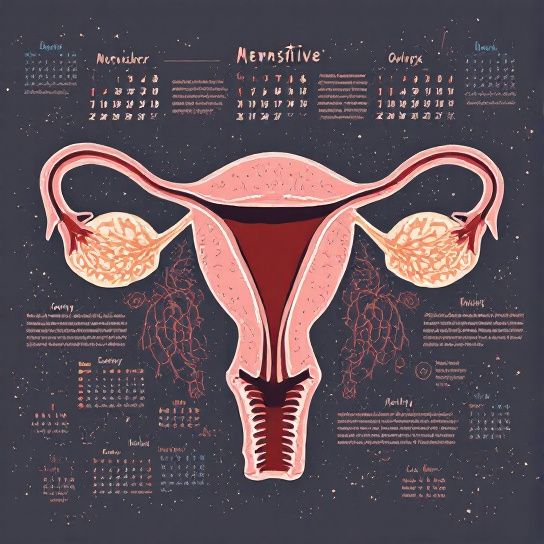
Before diving into how long a period should last, let’s unravel the menstrual cycle’s complexity. Typically, a menstrual cycle spans about 28 days; however, cycles can vary widely between individuals, ranging from 21 to 35 days. **Menstruation**, the bleeding phase, usually lasts between 2 to 7 days. Here’s the cycle broken down:
- Menstruation (Days 1-7): The shedding of the uterine lining.
- Follicular Phase (Days 1-13): Starts on the first day of menstruation and ends with ovulation.
- Ovulation (Day 14): The release of an egg from the ovaries.
- Luteal Phase (Days 15-28): Post-ovulation phase before menstruation resumes.
It’s crucial to recognize that these are average timelines and variability is common. Understanding the standard framework helps anchor our exploration into why deviations occur.
Community Insights on Period Duration
It’s vital to remember that while data forms the backbone of medical understanding, individual experiences provide depth and context. I conversed with community members, many of whom shared that their periods often ranged from 3 to 5 days. This span, though shorter than the perceived norm, is typical and not necessarily indicative of any underlying health issue.
Conversely, Alice, another community member, shared her story of persistent 10-day periods. Initially distressing, Alice experienced enormous relief after consulting her gynecologist, who assured her that longer periods might still lie within the normal range but are worth monitoring for any abrupt changes over time.
What Determines Period Length?
The duration of menstruation can be influenced by a plethora of factors, including but not limited to:
- Hormonal balance: Estrogen and progesterone levels play pivotal roles. Imbalances can extend or shorten periods.
- Age and developmental stage: Young teens and those approaching menopause often experience irregularities.
- Diet and lifestyle: Nutritional deficiencies, notably in iron (low ferritin levels), can alter cycle regularity.
Understanding these dynamics can empower individuals to better anticipate changes and seek appropriate medical advice when necessary.
Technical Breakdown: Hormonal Influences on Periods
Hormones orchestrate the menstrual cycle, with estrogen and progesterone being the primary conductors of this biological symphony. Let’s delve deeper into their role:
- Estrogen stimulates the thickening of the uterine lining post-menstruation, preparing for potential pregnancy. A deficiency can result in a thinner lining.
- Progesterone maintains the lining. If pregnancy doesn’t occur, levels drop, cueing menstruation.
A study published in the *Journal of Clinical Endocrinology & Metabolism* highlighted that hormonal therapies can effectively manipulate period duration for various treatment purposes, such as contraception or easing menstrual symptoms.
Real-World Data: How Common are Period Variations?

Reviewing global data, a 2019 report by the World Health Organization signaled that approximately 14% of adolescent girls experience cycles outside the traditional 21-35 day framework, pointing to a significant number of individuals who deviate from perceived norms.
This prevalence underscores how shared stories contribute to a more comprehensive understanding of menstrual health. Inclusive conversations help demystify misconceptions, treat stigma, and foster community trust.
Case Study: The Impact of Nutrition on Menstrual Health
Let’s consider a documented case study that presents Clara, a 28-year-old experiencing periods lasting up to 10 days. Clara’s chronic fatigue led her to a clinic where a blood test revealed low iron levels (low ferritin). Dietary improvements and iron supplements significantly shortened her period to 6 days over several months.
🔬 **Insight from Research**: Fittingly, research aligns with Clara’s experience, indicating that women with adequate iron levels typically report shorter, more regulated periods. The *British Journal of Nutrition* states that optimal ferritin levels are essential to mitigate such issues, emphasizing the role of adequate nutrition in period management.
Community Fears: “My Period is Too Long”
Fear is a natural response to unexpected changes in one’s menstrual cycle. It’s important to normalize seeking medical advice without stigmatization. Speaking with Jane, who dealt with anxiety over her prolonged cycles, highlighted the reassurance that community and professional support could provide. Her shared experience elicited collective empathy and advice, encouraging others to voice their experiences openly.
Expert Insights: Medical Recommendations
Consultation with healthcare professionals is critical when your period deviates significantly from the norm. Dr. Lisa Chang, a renowned gynecologist, advises:
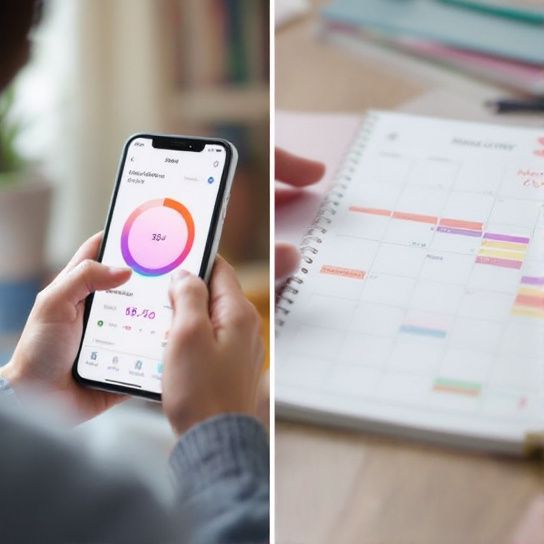
- Track Your Cycle: Monitoring cycles via apps can reveal patterns and assist in diagnostic processes.
- Consult Early: Persistent changes should not be ignored; early consultation can alleviate concerns.
- Review Lifestyle: Consider stress levels, diet, and exercise as modulators.
Dr. Chang emphasizes that early intervention often prevents complications, aligning with healthcare policies that prioritize proactive over reactive treatment plans.
Diagrams & Structured Breakdown
To visually contextualize our findings, I’ve provided a simplified diagram of the menstrual cycle stages below:
MENSTRUATION → FOLLICULAR PHASE → OVULATION → LUTEAL PHASE
- Menstruation (1-7 days): Variable, shedding starts, optimal bleeding control via products.
- Follicular Phase: Hormonal build-up, increased energy levels, productivity boosts noted.
- Ovulation: Fertility peak, ovulation pain possible.
- Luteal Phase: PMS symptoms, cycle closer, restorative period.
Key Takeaways and Practical Tips
- Recognize Variability: Understand that variations are not inherently problematic.
- Prioritize Nutrition: Maintain a balanced diet to support menstrual health.
- Monitor and Record: Use reliable apps to track your cycle.
- Seek Community & Medical Support: Value shared experiences and defer to medical expertise for professional advice.
Ultimately, the journey of understanding “how long should your period last” unravels a tapestry of individual experiences and peer advice. Embrace your unique menstrual narrative with both scientific grounding and community spirit.
—
📚 Conclusion:
Our exploration of menstrual cycle duration underscores the importance of intertwined scholarly rigor and empathetic community discussions. By reconciling technical insights with heartfelt stories, we can forge a path toward destigmatizing menstrual health dialogues and cultivating holistic well-being. Whether through measuring ferritin levels or heeding personal anecdotes, your journey is uniquely yours—approach it with understanding, openness, and care.
Frequently Asked Questions
What are the benefits of using a hair mask in my hair care routine?
Using a hair mask can provide several benefits, including hydration, smoothing, strengthening, curl definition, heat protection, and damage repair. Hair masks infuse the hair with moisture, help coat the hair shaft to seal split ends, reduce breakage, and protect the hair from heat styling and environmental damage[1][4].
What ingredients should I look for in a hair mask?
Effective hair masks often include ingredients such as coconut oil, argan oil, shea butter, honey, avocado oil, green tea, and coconut water. These ingredients provide nourishment, moisturize, and protect the hair, offering benefits like softening, moisturizing, and protecting against damage[2][5].
How often should I use a hair mask in my routine?
You should use a hair mask whenever your hair feels dry, unmanageable, or in need of intense hydration. This can vary depending on your hair type and needs, but generally, using a hair mask once or twice a week can help maintain healthy and moisturized hair[1][4].
How do I apply a hair mask for the best results?
To apply a hair mask effectively, shampoo your hair first, then apply the mask, focusing especially on the ends where hair tends to be the most damaged. Leave the mask on for anywhere from 10 minutes to overnight, depending on the type of mask and your hair’s needs[1][4].
References