
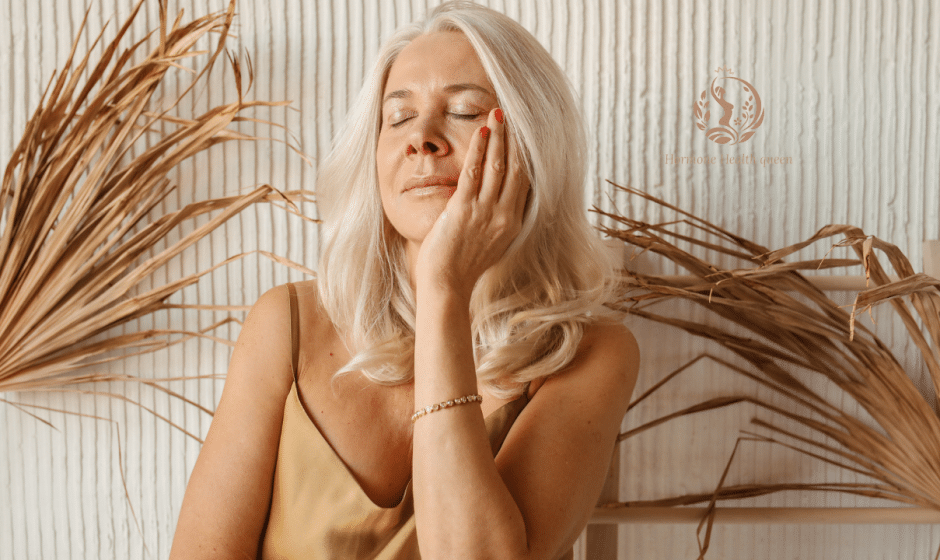

Menopause is more than just hot flashes and mood swings — it brings major changes to your skin.
As estrogen levels drop, many women begin to notice increased dryness, sensitivity, and a visible loss of firmness and glow. If your once-reliable skincare routine no longer works or seems to make things worse, you’re not imagining it — your skin has new needs.
In this guide, we’ll explore:
- The science of hormonal skin changes
- Key ingredients that truly help
- Expert skincare routines for menopausal skin
- Real product recommendations at every budget
It’s time to take back control and feel confident in your skin again.
The Science: How Estrogen Affects Skin Function
Estrogen plays a crucial role in maintaining the skin’s barrier function, collagen levels, and hydration balance. When estrogen declines during menopause, here’s what happens:
- Sebum (oil) production drops, leading to dryness
- Collagen production slows, reducing firmness
- The skin barrier weakens, causing sensitivity and irritation
- Cell turnover slows, leading to dullness and slower healing
The result? Skin that’s dry, reactive, and more prone to wrinkles than ever before.
5 Skin Changes to Expect During Menopause
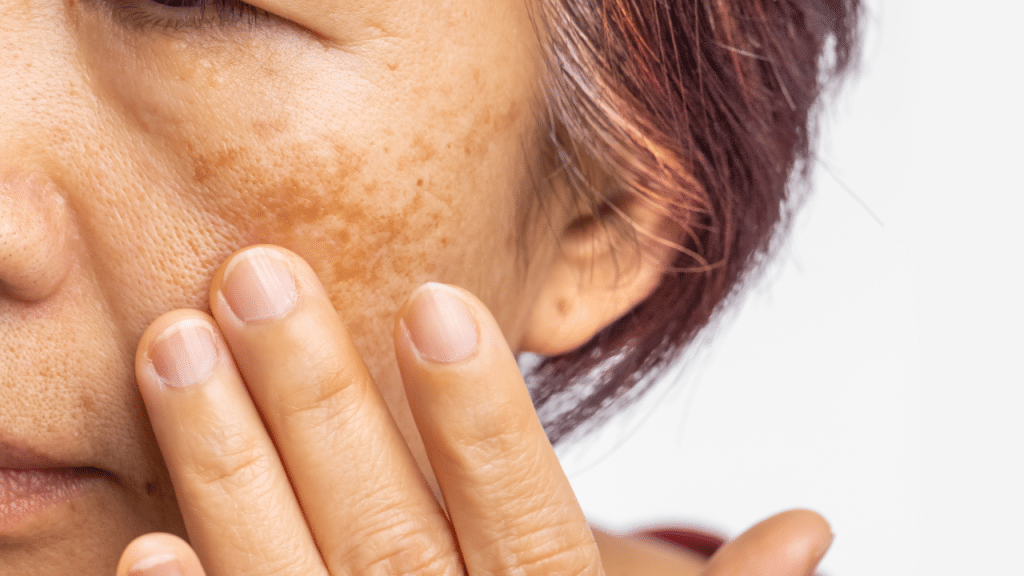
- Increased Dryness & Dehydration
- Skin feels tight or flaky even after moisturizing.
- Loss of Elasticity & Firmness
- Sagging around the jawline, under eyes, and neck area.
- Heightened Sensitivity & Reactivity
- Products that used to work may now sting or burn.
- Delayed Healing & Recovery
- Cuts, breakouts, and irritation take longer to fade.
- Thinning & Fragility
- Skin may bruise more easily or appear translucent.
Must-Have Ingredients for Menopausal Skin
✅ Powerhouse Ingredients:
| Ingredient | Benefit |
|---|---|
| Ceramides & Fatty Acids | Rebuild and protect skin barrier |
| Peptides & Growth Factors | Stimulate collagen and repair |
| Hyaluronic Acid & Glycerin | Boost deep hydration |
| Niacinamide | Calms irritation and supports elasticity |
| Antioxidants (C, E, Resveratrol) | Fight free radicals and dullness |
These ingredients help hydrate, strengthen, and soothe dry, hormone-affected skin.
What to Avoid: Ingredients That Worsen Sensitivity
❌ Retinoids (unless dermatologist-supervised)
❌ Alcohol-based toners
❌ Fragrance-heavy creams or essential oils
❌ Harsh exfoliants (scrubs, AHAs in high %)
❌ Sulfates in cleansers
Stick with gentle, fragrance-free formulas to protect your skin barrier.
Morning Skincare Routine for Menopausal Skin
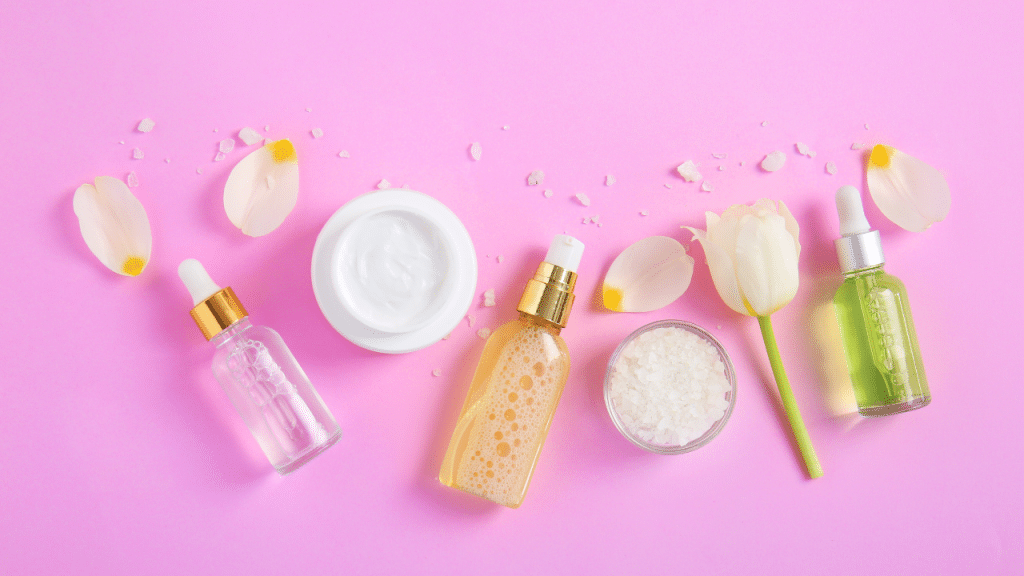
- Gentle Cream Cleanser (e.g., CeraVe Hydrating Cleanser)
- Hydrating Toner or Mist (e.g., La Roche-Posay Thermal Spring Water)
- Niacinamide Serum (e.g., The Ordinary Niacinamide 10% + Zinc)
- Moisturizer with Ceramides (e.g., Eucerin Advanced Repair)
- Mineral Sunscreen (e.g., EltaMD UV Elements SPF 44)
💡 Always apply sunscreen last and reapply every 2 hours if exposed to sun.
Evening Skincare Routine for Restorative Hydration
- Cream Cleanser
- Hydrating Toner or Micellar Water
- Peptide or Hyaluronic Acid Serum
- Rich Night Cream with Fatty Acids & Antioxidants
- Optional: Overnight sleeping mask (e.g., Laneige Water Sleeping Mask)
Product Recommendations by Budget
| Category | Budget-Friendly | Mid-Range | Luxury |
|---|---|---|---|
| Cleanser | CeraVe Hydrating Cleanser | Avene Gentle Cleanser | Tatcha Indigo Cleansing Cream |
| Moisturizer | Cetaphil Rich Hydrating | Drunk Elephant Lala Retro | Augustinus Bader The Cream |
| Serum | The Ordinary Hyaluronic | Paula’s Choice Peptide Booster | SkinCeuticals CE Ferulic |
| SPF | Neutrogena Sensitive SPF | EltaMD UV Clear | La Mer SPF 50 UV Protectant |
How to Adapt Skincare by Season
🌸 Spring: Introduce lightweight hydration and SPF.
☀️ Summer: Focus on calming ingredients (niacinamide, aloe) and high SPF.
🍂 Fall: Start layering hydrating serums and barrier creams.
❄️ Winter: Use occlusive moisturizers and reduce exfoliation to prevent flaking.
Professional Treatments Worth Considering
- Microneedling (for collagen boost)
- Hydrafacial (for deep hydration)
- LED Therapy (for redness and inflammation)
- Chemical Peels (gentle, non-irritating options only)
Always consult a menopause-informed dermatologist for custom treatment plans.
When to See a Dermatologist
- Severe or sudden skin thinning
- Burning or stinging from most products
- Persistent inflammation or rash
- Pre-existing skin conditions worsening post-menopause
- You’re considering hormone therapy or prescription topicals
FAQs: Menopause & Skin
Q: Is it normal to have itchy skin during menopause?
A: Yes — it’s often caused by dryness and a weakening skin barrier.
Q: Can menopausal skin tolerate retinol?
A: Sometimes. A dermatologist can prescribe a low-dose formula suited for mature skin.
Q: What is the best moisturizer for post-menopausal skin?
A: Look for ones with ceramides, fatty acids, and hyaluronic acid.
Q: How long do menopause skin changes last?
A: They typically stabilize within a few years post-menopause, but proper skincare is still essential.
✅ CTA
👀 Explore more science-backed skin and hormone insights at HormoneHealthQueen.com
📱 Follow us on social media for daily skin tips and real stories