


In today’s fast-paced, information-rich digital era, women’s health care has become a focal point of vibrant conversations spanning across social media platforms like Instagram, TikTok, and Facebook. The trend is fueling a shift toward more holistic and inclusive approaches to women’s health, emphasizing empowerment, personalized care, and, critically, hormone balance and wellness. As experts delve deep into this topic, the wealth of research, studies, and experiences converge to offer comprehensive insights into optimizing women’s health care. So, let’s explore how these insights shape the current trends, harnessing the power of social media discussions and scholarly research.
1. Prioritize Hormone Balance
🔍 **Understanding Hormonal Health**: Hormones play a pivotal role in managing various bodily functions, from metabolism to mood regulation. As recent studies suggest, imbalances can cause issues like fatigue, weight gain, and mood swings.
📊 **Research Insight**: A 2021 study published in the Journal of Clinical Endocrinology & Metabolism found that approximately 47% of women experience symptoms of hormonal imbalance during their lifetime.
👉 **Action Steps**: Incorporate diet, exercise, and stress management practices to support endocrine health. Opt for foods rich in omega-3 fatty acids, such as flax seeds and fish, and consider adding phytoestrogen-rich plants like soy into your diet. Practicing yoga or mindfulness can also aid in stress alleviation, consequently balancing hormone levels.
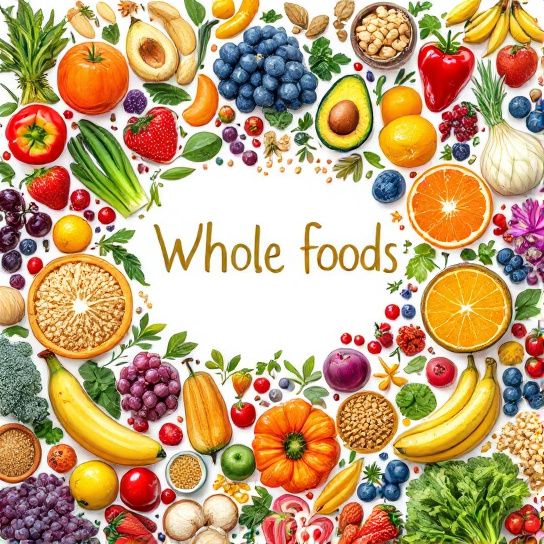
2. Enhance Nutritional Intake with Whole Foods
🥦 **Fundamentals of Nutrition**: Consuming a nutrient-dense diet is fundamental in promoting overall wellness and addressing specific women’s health needs. Whole foods provide the vitamins, minerals, and antioxidants necessary for optimal health.
📃 **Case Study**: A case-controlled study conducted by the Women’s Health Initiative emphasized the role of a balanced diet rich in fruits and vegetables in reducing the risk of cardiovascular diseases and improving reproductive health metrics.
📝 **Practical Advice**: Tailor your diet plan by incorporating seasonal fruits, leafy greens, lean proteins, and whole grains. Creating a meal plan allows for balanced macronutrient distribution, supporting menstrual health and sustaining energy levels.

3. Regular Physical Activity: The Optimal Exercise Regimen
🏃♀️ **Exercise for Wellness**: Engaging in regular physical activity is vital for maintaining cardiovascular health, enhancing mood, and managing weight. Women-specific exercise routines should focus on strengthening muscles, improving bone density, and supporting mental health.
📈 **Data-Driven Insight**: According to the American Heart Association, regular aerobic and resistance exercises reduce the risk of heart disease—the leading cause of death among women—by 30%.
🤸 **Workout Tips**: Commit to a balanced training regimen, ideally including cardiovascular exercises like running or cycling combined with strength training routines using weights or resistance bands. Ensuring consistency safeguards health benefits and supports hormonal regularity.
4. Mindfulness and Mental Health Support
🧘 **Why Mental Health Matters**: Mental wellness is a significant aspect of overall health. Women are statistically more prone to anxiety and depressive disorders, making mental health support an integral part of women’s health care.
📊 **Statistical Overview**: Nearly 19% of women in the United States battle mental health conditions, representing the necessity for targeted mental health interventions.
💡 **Effective Practices**: Integrate mindfulness practices like meditation, journaling, or therapy to support emotional well-being. Cognitive-behavioral therapy (CBT) and Mindfulness-Based Stress Reduction (MBSR) have proven efficacious for many.
5. Embrace Preventive Screenings and Regular Check-Ups
🏥 **The Role of Preventive Care**: Regular health check-ups and preventive screenings can detect potential health issues early. Women-specific screenings are essential for diseases like cervical cancer and osteoporosis.
📑 **Standard Guidelines**: According to CDC guidelines, women aged 21 and older should undergo cervical cancer screening, while mammograms are recommended starting at 40. Screening frequency may vary based on individual risk factors.
🔍 **Action Plan**: Consult with a womens health clinic to schedule routine check-ups and plan age-appropriate screenings such as Pap smears, mammograms, and bone density tests.
6. Foster a Supportive Health Community
👭 **Building Community Networks**: Surrounding yourself with a supportive community can engender holistic health improvement. These networks can offer motivation and shared experiences which catalyze personal growth.
🗣️ **Example**: Platforms like Facebook Groups focused on women and health provide spaces for discussion on shared health challenges, treatment experiences, and wellness tips.
🤝 **Get Involved**: Join online communities or local groups focusing on women’s health interests or activities. Participating in forums or attending women-focused seminars/gatherings can prove invaluable.
7. Explore Technology-Driven Health Solutions
📱 **Innovation in Women’s Health**: Technology offers unprecedented advantages in women’s health by providing accessibility to information and connecting with healthcare providers seamlessly.
📰 **Case Gap Study**: Such solutions as wearable technology, digital health apps, and telehealth services have significantly increased efficiencies in managing conditions such as PCOS, endometriosis, and thyroid disorders.
🔧 **Tech-Savvy Tips**: Utilize apps that track menstrual cycles, remind you of medications, or offer telehealth consultations. Many of these applications provide health analytics that aids in comprehending personal health trends.
8. Customized Health Interventions for Unique Biological Needs
🧬 **Acknowledging Individual Differences**: Women’s health interventions must consider individual biological diversity—the “one-size-fits-all” approach often fails in meeting specific health demands.
🔍 **Research Insight**: A report in the Journal of Obstetric, Gynecologic, & Neonatal Nursing indicates that personalized medical interventions show a 30% higher success rate in treating reproductive endocrinology issues.

📒 **Customization Tips**: Work with healthcare providers to understand your unique health profile—consider genetic testing if needed—or opt for personalized plans in nutrition, fitness regimens, and preventive measures.
9. Address and Combat Health Myths
🚫 **Debunking Misinformation**: Accurate, evidence-based information is imperative when addressing women’s health concerns. Myths perpetuate stigmas and can often lead to misguided health strategies.
🔬 **Statistical Reality**: According to a survey by Misinformation in Medicine, 34% of women have altered or avoided treatment due to pervasive health myths.
🔦 **Clarity through Education**: Educate yourself through reputable sources: peer-reviewed journals, validated studies, and expert interviews. Question health information circulated by unverified internet sources and clarify doubts with qualified professionals.
10. Cultivate Self-Care as a Daily Habit

💖 **The Essence of Self-Care**: Self-care is not merely about relaxation—it’s a commitment to personal health management. Daily practices enhance both physical and mental well-being, creating resilience against various health challenges.
📝 **Real-World Integration**: The Global Wellness Institute advocates integrating self-care rituals into daily routines, which empirically enhance life satisfaction by a margin of up to 30%.
🚿 **Daily Self-Care Practices**: Set aside time for yourself daily—be it through novel acts like skincare routines, reading, or embarking on nature walks. Encouraging a routine anchors resilience and promotes long-term wellness.
—
As we finalize these top ten ways to enhance women’s health care, remember the importance of consistent practice blending modern-day insights and authenticated fact-checking to ensure the healthiest version of yourself is within arm’s reach. While trends and solutions continue to evolve, maintaining a personalized approach, seeking expert advice, and staying informed forms the cornerstone of a holistic health journey. 🏅
Frequently Asked Questions
What are the benefits of using a hair mask in my hair care routine?
Using a hair mask can provide several benefits, including hydration, smoothing, strengthening, curl definition, heat protection, and damage repair. Hair masks infuse the hair with moisture, help coat the hair shaft to seal split ends, reduce breakage, and protect the hair from heat styling and environmental damage[1][4].
What ingredients should I look for in a hair mask?
Effective hair masks often include ingredients such as coconut oil, argan oil, shea butter, honey, avocado oil, green tea, and coconut water. These ingredients provide nourishment, moisturize, and protect the hair, offering benefits like softening, moisturizing, and protecting against damage[2][5].
How often should I use a hair mask in my routine?
You should use a hair mask whenever your hair feels dry, unmanageable, or in need of intense hydration. This can vary depending on your hair type and needs, but generally, using a hair mask once or twice a week can help maintain healthy and moisturized hair[1][4].
How do I apply a hair mask for the best results?
To apply a hair mask effectively, shampoo your hair first, then apply the mask, focusing especially on the ends where hair tends to be the most damaged. Leave the mask on for anywhere from 10 minutes to overnight, depending on the type of mask and your hair’s needs[1][4].
References