
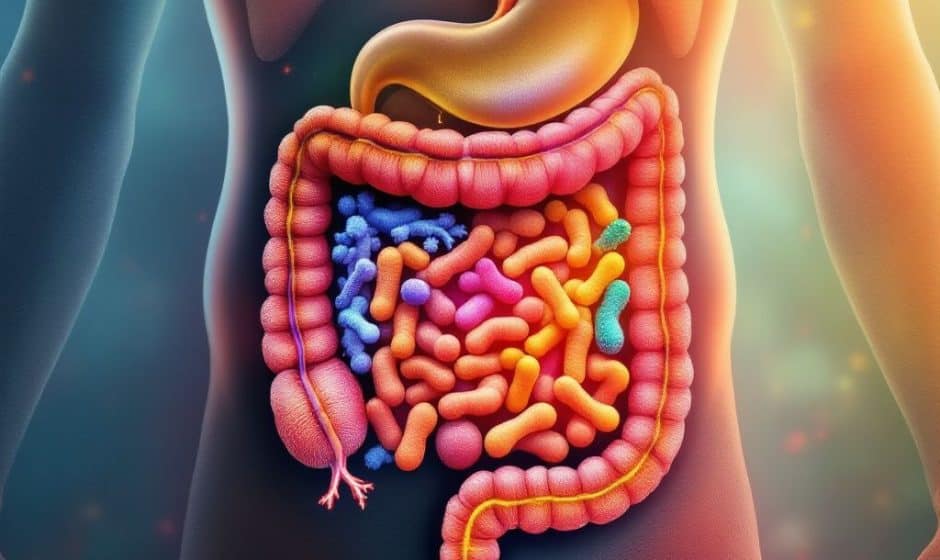

Hey there! So, you’ve probably heard the term “gut bacteria” tossed around before, but how much do you actually know about these microscopic little house guests residing in your digestive tract? They’re more influential than you might think, especially when it comes to something as crucial as hormone regulation. Trust me, it’s all interconnected in a way that’s pretty fascinating!
So, What’s the Deal With Gut Bacteria and Hormones?
Let’s dig right in: your gut is like a bustling metropolis full of bacteria that play roles in everything from breaking down foods to regulating your immune system. But they don’t just stop there. These microbes are also key players when it comes to hormone balance in your body. Sounds wild, right? Here’s where SIBO, or Small Intestinal Bacterial Overgrowth, comes in—if things go sideways in your gut, it can lead to a real hormonal rollercoaster ride.
SIBO Explained: The Party Crashers of the Gut
Picture this: In a healthy digestive system, most bacteria hang out in the colon at the end of the line. With SIBO, though, you’ve got bacteria crashing the party earlier on, in your small intestine where they don’t quite belong in such large numbers. This leads to a host of problems, one being that these overabundant bacteria start interfering with how your hormones do their thing.
Now, you want a well-oiled hormone machine, right? Throw in SIBO, and you get disrupted digestion, nutritional imbalances, and yes—those pesky symptoms that feel like they came out of nowhere. All because of the ripple effect kicked off by some out-of-place gut bacteria.
Signs You Might Be Struggling With SIBO and Hormone Imbalance

Let’s talk symptoms. The list of complaints linked to SIBO can be pretty long: bloating (oh, the bloating!), diarrhea or constipation, and that constant feeling of fatigue. You might also find yourself dealing with symptoms that feel seemingly unrelated at first glance, like skin issues or mood swings. Here’s a quick glance:
Common SIBO Symptoms
- Bloating
- Abdominal pain or discomfort
- Digestive irregularities (such as diarrhea or constipation)
- Unexplained fatigue
- 5. Nutrient deficiencies
Hormonal Imbalance Signals
- Irregular menstrual cycles
- Acne or skin changes
- Weight fluctuations
- Mood changes, including anxiety or depression
Notice some overlap here? That’s your gut talking!
Navigating Gut Health and Promoting Hormone Regulation
Alright, enough about the problem—let’s talk solutions. If you suspect that your gut bugs are outstepping their bounds, it’s time to take action. Here’s where we start.

1. SIBO Treatment Options
Addressing SIBO head-on often requires a mix of diet changes and sometimes medication. But before anything else, definitely link up with a healthcare pro to get a proper diagnosis—trust me, self-diagnosing can be a slippery slope.
- Antibiotics: Sometimes prescribed to reduce bacterial load. These are usually specific to gut bacteria and really shouldn’t be the go-to without medical advice.
- Diet Adjustments: The Low FODMAP diet is popular among those dealing with SIBO—it involves cutting out certain fermentable foods that feed bad bacteria.
- Herbal Protocols: Some folks find success using herbal antimicrobials, but again, talk to your healthcare provider about what suits you.
2. Eating for Hormone Harmony
Balancing your gut flora can lead to better hormone regulation. Think of these as your staples:
- Fiber-Rich Foods: Chia seeds, oats, and asparagus. Fiber supports microbiome diversity and hormone balance by assisting with the excretion of excess hormones.
- Probiotics and Prebiotics: Yogurt, kefir, and a variety of fruits and veggies that promote good bacteria.
- Omega-3 Fatty Acids: These are naturals at cutting inflammation. Look for them in fatty fish, flaxseeds, or walnuts.
3. Lifestyle Tweaks to Boost Gut Well-Being

Looking after your gut isn’t all about food, though diet certainly plays a big role. Try these on for size:
- Stress Management: High stress can throw your gut (and hormones) out of whack. Daily practices like meditation or a walk outdoors can rein in cortisol levels.
- Regular Exercise: Keeps things moving in the gut, ensuring nutrients circulate and get absorbed efficiently.
- Sleep Well: Don’t underestimate a good night’s sleep—it’s when the body regenerates, balancing hormones and regulating digestive processes.
Putting It All Together: Keep an Eye on the Connection

Let’s pull all this together in a neat little bow. The secret sauce here is synergy—addressing gut health and hormone regulation in tandem ensures a more holistic approach. Reassess often and don’t hesitate to shift gears based on how your body responds.
Key Takeaways
- Direct Action: When dealing with SIBO and its consequences, direct intervention via diet and possible medications is typically necessary.
- Proactive Measures: Eating with purpose, moving with intent, and resting adequately serve as pillars for sustained well-being.
- Consistency Matters: It’s about stringing together little habits over time. Start small and build.
If these concepts have got your gears turning and you’re wondering about hormone-friendly routines or recipes, start simple and stay curious. After all, understanding your gut and hormones is a journey rather than a destination. And remember: when in doubt, professional guidance is only a call away.
Okay, let’s call it a wrap for now. Got any questions you believed I didn’t cover? Let’s chat in the comments. Your gut—and hormonal balance—are worth the time and conversation!
Frequently Asked Questions
What causes a hormonal imbalance?
A hormonal imbalance can be caused by natural changes or stages in life, including puberty, pregnancy, perimenopause, and menopause. Other factors such as genetics, aging, increased daily stress, and significant life events like a partial or full hysterectomy can also contribute to hormonal imbalances[3][5].
What are the signs and symptoms of a hormonal imbalance?
Signs and symptoms of a hormonal imbalance include irritability and fatigue, mood swings and depression, skin dryness and loss of elasticity, water retention and weight gain, osteoporosis and joint pain, decreased interest in sex, insomnia and other sleep disorders, and memory issues and difficulty concentrating[3][5].
How can hormone replacement therapy help with hormonal imbalance?
Hormone replacement therapy can help by restoring stable hormone levels, leading to improved sleep, increased energy, enhanced memory, better mood stability, smoother skin, increased interest in sex, better weight regulation, and protection against joint and bone loss. There are various types of hormone therapy, including systemic hormone therapy, low-dose vaginal products, and bio-identical hormone replacement therapy[3][5].
What are some natural approaches to maintaining hormonal balance?
Natural approaches include dietary changes such as consuming clean proteins like nuts, beans, and lentils, lean proteins like organic pasture-raised chicken and fish, healthy fats like coconut oil, and leafy vegetables rich in antioxidants. Additionally, optimal fitness, nutrition, and stress reduction plans can contribute to maintaining hormonal balance[1][4].
References