
So you’ve been hearing about spin classes everywhere, right? It’s like every time you turn your head, someone’s raving about their last “killer ride” or how they’re hooked on it. However, the big question you might be asking yourself is: Why all the hype about indoor cycling, and how can becoming a spin class instructor play into harnessing all these supposed health benefits? Well, let’s dig in, because you’re about to discover the world of spin through the magic lens of the folks who lead the way—the spin class instructors.
Why Is Spin So Addictive?
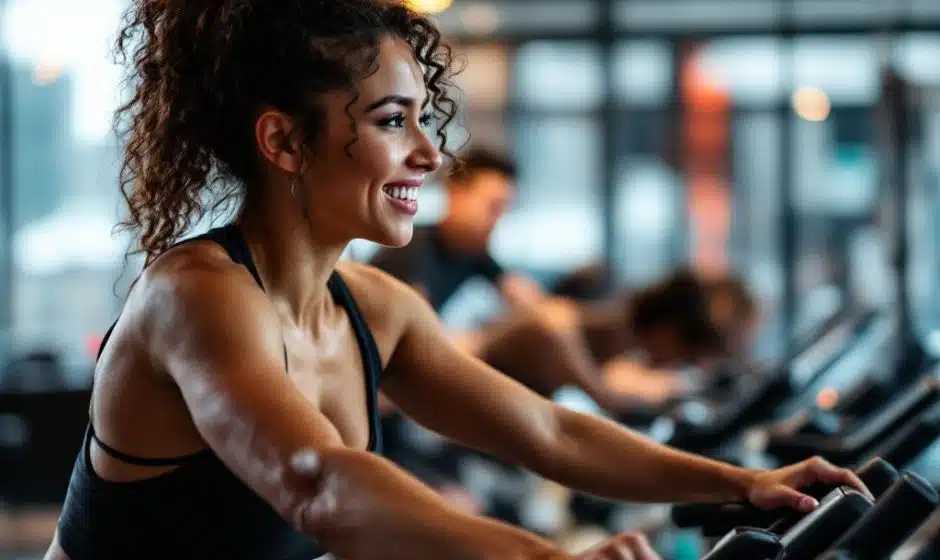
Let’s be honest—indoor cycling is noisy, sweaty, and somewhere around the third song, you’re wondering why you ever thought this was a good idea. Many participants, however, keep coming back. Why? It’s an exhilarating workout with a unique ability to energize both the body and mind. Who doesn’t like a good release of endorphins, am I right? Plus, let’s not forget the role of your hormonal bala in these classes. When you integrate regular cycling routines, your hormonal balance can significantly improve, contributing to stress reduction and mood enhancement.
Walking into a spin class led by an enthusiastic instructor can transform a simple workout into a powerful endurance trial wrapped up in fun beats. It’s like you’re undergoing a journey—one pedal push at a time. Now, add instructor magic to that mix, and things get wild.
The Road to Becoming a Spin Class Instructor
So, maybe now you’re considering stepping up your fitness game by becoming an instructor. What does it take? Here’s the thing: To lead a class, you’ve gotta blend technical skills with energy, charisma, and an understanding of body mechanics. It’s about showing people how to find their rhythm, and more importantly, how cycling on their indoor bikes can impact hormone regulation positively, helping with everything from better sleep to improved mood.
Certification and Training

First stop on your journey: certification. While passion is king, getting certified ensures you understand safety guidelines and effective coaching techniques. Here’s a simple roadmap:
- Choose a Certification Program: There are several reputable programs, like the American Council on Exercise (ACE) and the National Academy of Sports Medicine (NASM). Research their offers—each presents unique insights and skill structuring.
- Practice Makes Perfect: You’ll need to clock in practice hours. Whether that’s attending multiple classes as a participant or shadowing an experienced spin instructor, immerse yourself in the environment.
- Hands-On Experience: Once certified, the real learning commences. Try volunteering to assist in classes; learn by doing is the motto here.
Understanding Spin Class Benefits
A solid instructor knows spin cycling isn’t just cardio. It’s a wonderfully diverse workout promoting cardiovascular health, muscular endurance, and, vitally, hormone regulation. Intricate cycling techniques facilitate the release of serotonin and dopamine, making it more than just an exercise platform—spin is a mood booster. When explaining spin class health to newcomers, focusing on how hormone regulation impacts overall well-being will definitely resonate.
Designing a Great Spin Class Routine
Okay, we’ve hit the crux—crafting a fun, engaging spin class routine. This is tricky because you want to balance challenge with accessibility. Here’s a simple structure to guide you:
- Warm-Up (5-10 mins):
- Light pedaling: ease into the movement.
- Stretching atop the bike: warm the arms, back, and legs.
- Intervals and Surges:
- Fast-Paced Intervals: Incorporate HIIT (High-Intensity Interval Training) principles to spike heart rates.
- The Climb: Simulate hill climbing—gradually increase resistance, pushing physical limits progressively.
- Cool Down and Stretching:
- Gradual decrease in intensity.
- Stretch major muscle groups used during the session, aiding in hormone regulation by initiating recovery processes.
Don’t overthink perfection here. Instead, vary the music tempo (trust me on this one) as different beats can significantly influence workout intensity and participant motivation.

Mistakes to Avoid as a Spin Class Instructor
Embarking on this instructor journey is thrilling, but here are a couple of faux pas you’ll want to steer clear of:
- Neglecting Form: Watch for poor posture that might stress participants into potential injuries.
- Ignoring Individual Needs: Not everyone in your class will be on the same fitness level. Tailor your coaching to cater to beginners and pro cyclists alike.
- Forgetting Hormone Regulation: Spin isn’t just physical—it’s emotional and hormonal, and it’s important to remind participants of the psychological benefits during your sessions.
Building an Engaging Atmosphere
Beyond technique, an instructor doubles as the DJ and the group cheerleader, cranking that motivation up a notch. Here’s where detailing the music playlist is essential—choose vibrant tracks that transform and energize your space. But keep it fresh, changing the tracklist now and then to stop monotony from sneaking in.

The Social Element
Engage that cute little social feature after class, where experiences are shared, laughs exchanged, and goals celebrated. These relationships foster a supportive community, boosting the workout experiences and encouraging more frequent attendance. A well-timed joke or empathetic lil’ nod from an instructor can lay the groundwork for camaraderie.
Coaching Beyond the Bike

A memorable instructor does more than lead workouts—they extend outwards to impacting lives positively. Use your role to educate about hormone regulation during retreats, and nurture wellness patterns participants can adopt off the bike. It’s about spinning success into everyday life—encouraging better hydration, nutrition, and sleep. Make these moments a pivotal part of their well-rounded health aspirations.
Final Spin
Wrapping our wheels here, the life and role of a spin class instructor influence not merely the body but transcend into harnessing the powerful effects of hormone regulation. Whether you’re looking to motivate a class or dial up your own fitness journey, spinning delivers profoundly through sheer energy, commitment, and joy. Your dynamic engagement as an instructor will ripple into how participants feel both in and out of the saddle.
So if you’re contemplating stepping up to the instructor’s pedal, realize you’re stepping into a chance to create transformative experiences not just for yourself, but for an entire class feeling that burn, groove, and a fantastic zest for life.
Jump into the saddle—greatness awaits!
Frequently Asked Questions
What causes a hormonal imbalance?
A hormonal imbalance can be caused by natural changes or stages in your life, including puberty, pregnancy, perimenopause, and menopause. Other factors such as genetics, aging, and increased daily stress can also contribute. Additionally, hormone levels can dramatically decrease after a partial or full hysterectomy[3][5].
What are the signs and symptoms of a hormonal imbalance?
Signs and symptoms of a hormonal imbalance include irritability and fatigue, mood swings and depression, skin dryness and loss of elasticity, water retention and weight gain, osteoporosis and joint pain, less interest in sex, insomnia and other sleep disorders, and memory issues and difficulty concentrating[3][5].
How can hormone replacement therapy help with hormonal imbalance?
Hormone replacement therapy can help by restoring stable hormone levels, leading to better sleep, increased energy, enhanced memory, improved concentration, elevated mood with fewer mood swings, smoother and more hydrated skin, increased interest in sex, better weight regulation, and joint and bone protection[3][5]. Bio-identical hormone replacement therapy, in particular, uses hormones identical in structure to those produced by the human body and may have fewer side effects than traditional hormone replacement therapy[3][5].
How is hormonal balance achieved through diet and lifestyle changes?
Achieving hormonal balance can also be supported through dietary changes. Consuming clean proteins like nuts, beans, and lentils, lean proteins such as organic pasture-raised chicken and fish, healthy fats like coconut oil, and leafy vegetables rich in antioxidants can help maintain a balanced hormonal production. Additionally, combining these dietary changes with optimal fitness and nutrition, along with stress reduction plans, can contribute to overall hormonal balance[1][4].
References