
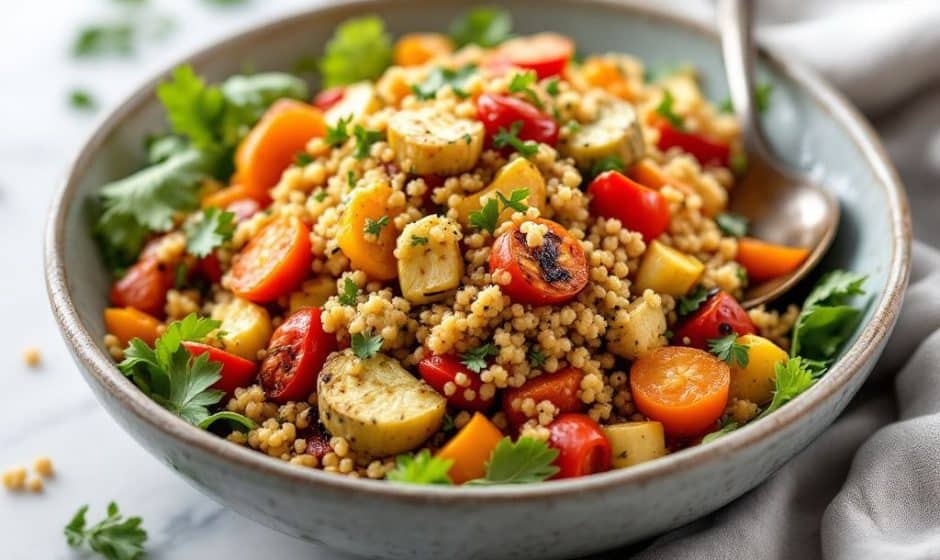

Hey there! Ever felt that tug-of-war between creating delectable recipes and making sure they’re actually good for you? You’re not alone. Every recipe developer has faced that dilemma in some form or another. It’s that internal chatter of “Do I choose flavorful delight or healthy nutrition?” Let’s chat about how to find that sweet spot—because if there’s one thing I’ve learned in this culinary adventure, it’s that food creation should balance health and taste without compromising too much. And yes, this is where hormone regulation plays a surprisingly big role, so hang tight!
Understanding Hormone Regulation in Food Creation
First up: Let’s dig into this hormone regulation business. Yup, hormones aren’t just those pesky things causing mood swings. They dictate a lot, including how our body uses the foods we feed it. When you’re whipping up those kitchen masterpieces, the ingredients you summon have a part to play in how your body’s hormone orchestra performs. Foods that stabilize blood sugar, reduce inflammation, or improve gut health often top the list because they can help regulate hormones like insulin, cortisol, and even serotonin. Go ahead, turn up the vegetables and natural fats without fear!
So why care about this? Because how we develop recipes affects our stress levels, energy, and overall health. Think of it like crafting a playlist for a chill afternoon. You wouldn’t put heavy metal right after a smooth jazz, would you? No. You’re looking for flow. That’s what we aim to achieve with your recipes: balance and flow.
Balancing Flavor and Health: It’s Attainable, Trust Me!
Let’s not kid ourselves. We’re after the appetizing and Instagram-worthy, but let’s also keep an eye on recipes that work for long-term well-being—not just transient satisfaction. Before we talk about boosting flavor without undercutting health, here’s a “duh” moment: moderation is everything.
Simple Steps to Recipe Success
Step 1: Ingredient Selection
- Embrace Whole Foods: When possible, go for whole foods. They’re closer to their natural state and packed with nutrients.
- Ditch the Refined Sugars: Look for natural sweeteners like honey or maple syrup. They harmonize with your tag team of hormones to curb wild spikes in blood sugar.
- Unearth Diverse Grains: Curious? Give quinoa, farro, or buckwheat a try. They add fiber and texture, making dishes satisfying without overindulging.
*A quick scene-stealer: ever tasted butter beans in a salad? Go on, they’re life-changing with antioxidant punch!*

Step 2: Cooking Methods Matter
Sauté, steam, grill—it’s in how you treat your ingredients! There’s no guilt in using coconut or olive oil, just don’t let the oil become the recipe star.
- Roasting and Grilling: Develop flavors with minimum added fats.
- Steaming: Holds more nutrients than boiling. Veggies love this method.
- Sautéing with Broth: Reduce unnecessary fats while enhancing flavors—chicken stock for instance, infuses magic.
Chicken Kiev? Meet poached salmon salad. It drizzles pleasures without calories sabotage.
Step 3: Balancing Seasonings
Getting bold with herbs and spices makes your brain’s pleasure centers pop while maintaining health integrity.
- Herbs & Spices: Basil, thyme, cinnamon—it’s like your spice rack doubles as a health cabinet. Each contributes to various aspects of hormone regulation.
- Acidity Through Vinegars or Citrus: They add brightness akin to the sudden diet reset your palate secretly craves. Lemon zest is my not-so-secret ally.
Macros Matter: Calories, Carbs, and Proteins—Oh My!
Balancing nutrients is like practicing gastronomic Tetris. Proteins, fats, and carbs find homes without puzzle friction. Every dish can—and should—support hormones rather than wage war on them.

**Proteins:** Lean meats, plant-based options, or even dairy can be grounding forces. They’re pivotal, serving muscle support and satiety.
**Carbs:** Yeah, they often get the side-eye, but whole grains are fiber-rich champs, which, in moderation, aid sustained energy levels. Remember the quinoa?
**Fats:** Enter those smooth dancers like avocados or nuts. Balance means role execution without indulgent chaos.
Recipe Developer Hacks for Balanced Meals—To Your Plate and Beyond!
Let’s jump deeper into day-to-day execution. By crafting meals that nourish robustly, hormone regulation becomes less chore and more trusted ally.
**Meal Prep Magic:** It saves sanity and directs efforts into things that actually matter—like tweaking that tartness in your vinaigrette. By preparing from home, your meal tailoring achieves better macro alignment.
**Recognize Patterns:** Your food choices may oscillate. Fair enough, everyone roams in culinary patterns sometimes. By keeping meals varied and colorful—a playful plate dances through nutrition, making each choice deliberate and vibrant.
**Grocery Insights:** Here’s a game-changer. Spend moments scanning nutritional labels and produce sections. It’s both tenacious and rewarding. Pro tip? Frozen veggies can conserve today’s freshness until tomorrow’s stew.
Avoid Common Pitfalls
- Overcomplicating Recipes: Sometimes less really is more. Physics tells us energy resolves where effort’s applied, so don’t measure creativity in chaos. Simple often spells delicious.
- Living for Externals: Like trends or unrealistic standards (ahem, social media), they might dim your internal rhythm. Trust yourself and enjoy what helps regulate well-being week after week.
Sample Recipe: Harmonious Veggie Power Bowl

Let it culminate! Here’s a treasure from the balance trove you’re mastering.
Ingredients:
- cup cooked quinoa
- ½ cup diced bell pepper
- cup chopped kale
- ½ avocado, sliced
- ¼ cup roasted sunflower seeds
- tablespoon olive oil
- teaspoons fresh lime juice
- Salt and pepper to taste
Instructions:

- Toss your kale in a warm pan with a hint of olive oil until vivid green. Cute trendsetters like kale know the steaming setlist better than any vitamin pill!
- Mix quinoa with bell peppers, steamed kale, and avocado in your aesthetic bowl.
- Sprinkle sunflower seeds for crunch and fiber—our texture ambassador.
- Pearl it off with olive oil, a squeeze of lime, salt, and pepper. Hint: rustic elegance at its finest!
Quick as spinning a vinyl, isn’t it?
Final Thoughts on Recipe Development Balance
There it is: A lifestyle interwoven with health and creation, bolstered by understanding. Realizing that food and recipes can embrace both robust flavors and health may spark joy, drawing a parallel to serotonin spark.
Food creation doesn’t demand choosing between flavor or hormone regulation but integrating both, offering zest for today and health for tomorrow. So next time you lace up your apron, recall these musings and whip out meals deliciously working with—not against—your body’s inner rhythm. Keep chopping, tasting, and evolving. Cheers to creating delectable dishes, keeping harmony our hazy north star!
Frequently Asked Questions
What causes a hormonal imbalance?
A hormonal imbalance can be caused by natural changes or stages in your life, such as puberty, pregnancy, perimenopause, and menopause. Additionally, factors like genetics, aging, increased daily stress, poor nutrition, and lack of proper activity and fitness can contribute to hormonal imbalances. Other causes include tumors, adenomas, and damage or injury to endocrine glands, as well as autoimmune diseases[2][3][4).
What are the signs and symptoms of a hormonal imbalance?
Signs and symptoms of a hormonal imbalance can include irritability and fatigue, mood swings and depression, skin dryness and loss of elasticity, water retention and weight gain, osteoporosis and joint pain, decreased libido, insomnia and other sleep disorders, and memory issues. These symptoms can vary depending on which hormones are imbalanced[2][3][4).
How can hormonal imbalances be treated?
Treatment for hormonal imbalances often involves hormone replacement therapy (HRT), which can include systemic hormone therapy, low-dose vaginal products, or bioidentical hormone replacement therapy. Other treatments may include medication, surgery, or radiation therapy, depending on the cause of the imbalance. Lifestyle changes such as managing stress levels and routine exercise are also recommended[2][3][4).
What role does bioidentical hormone replacement therapy (BHRT) play in hormone regulation?
BHRT uses hormones that are identical in structure to those produced by the human body. It is customizable to a person’s specific issues and needs, making it beneficial for women in perimenopause and menopause, as well as men experiencing symptoms of andropause. BHRT can help restore hormonal balance, improve symptoms such as hot flashes and night sweats, and enhance overall health and energy levels[1][2][4).
References
