
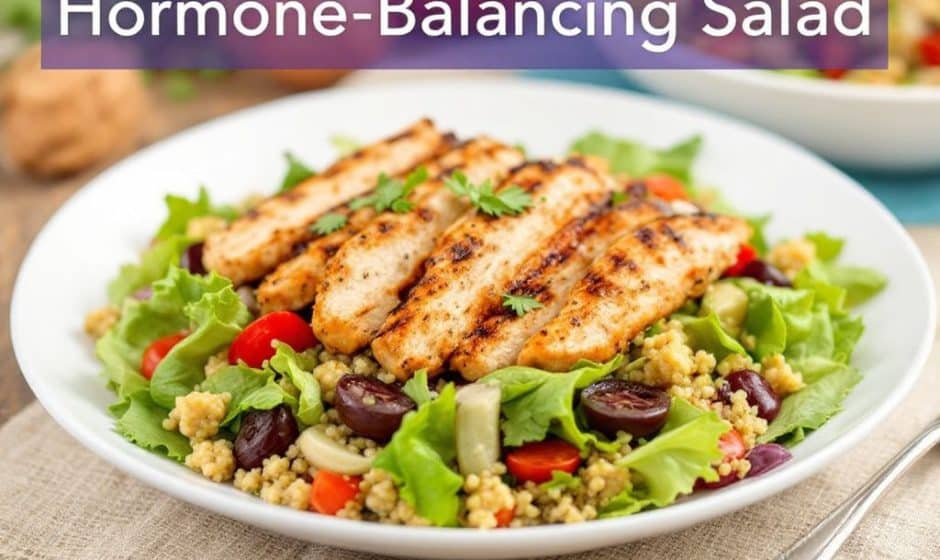

So, you’re feeling out of whack—mood swings, fatigue, weight that just won’t budge. It’s like your body’s a jigsaw puzzle with one misfitting piece. Can a hormone balancing diet fix that? Absolutely, and let me guide you through how you can craft meals to bring everything back into harmony. Trust me, balance is closer than you think.
Why Consider a Hormone Balancing Diet?
Alright, let’s get straight to it. Hormones run the show in your body: metabolism, stress response, even how you sleep. Ever notice how stressors, even minor ones, can throw you off your game? Hormones are the backstage crew making sure all goes as planned.
Now, here’s the kicker—your diet has a *massive* influence on this delicate dance. Eating right doesn’t just fuel your body—it creates an environment where your hormones can work like they’re supposed to. Think of a hormone balancing diet as the unsung hero in your quest to feel more like *you*.
The Basics: What Does a Hormone Balancing Diet Look Like?
Okay, now onto the fun bits—figuring out what this diet means for actual meals. There’s no need to overhaul your kitchen overnight. Start with realistic adjustments that complement your lifestyle. Here’s the lowdown.
Hormone Balancing Foods to Include
Incorporate more of these powerhouse foods in your routine:
- Leafy Greens and Cruciferous Vegetables
- Think spinach, kale, broccoli, and Brussels sprouts. They’re rich in fiber and antioxidants, supporting hormone detox.
- Healthy Fats
- Olive oil, avocados, nuts, and seeds—these guys are essential. They help produce hormones and keep inflammation at bay.
- Quality Proteins
- Go for lean meat, fish, eggs, and plant-based options like legumes. Proteins stabilize blood sugar—a biggie for hormonal health.
- Whole Grains
- Swap out refined carbs for whole grains like quinoa and brown rice to sustain energy levels and mood.
- 5. **Herbs and Spices
- Turmeric, ginger, and cinnamon can add zing to your meals while reducing inflammation and aiding digestion.
Foods to Limit

Some usual suspects can mess with your hormone balance. Go easy on these:
- Processed Foods: Packaged snacks, sugary cereals—they’re often nutrient-poor and hormone-disruptive due to high sugar and unhealthy fats.
- Refined Sugars and Artificial Sweeteners: These can spike insulin levels, throwing your hormones off-kilter.
- Excessive Caffeine and Alcohol: Both can disrupt sleep and stress hormones. Moderation’s the key here.
Meal Planning Made Easy
Now, how to pull it all together seems like the big question, right? Here’s a simplified approach to meal planning that’ll keep you in the hormone-balancing zone without taking over your life.
Step 1: Weekly Meal Framework
Set a basic template you can riff off—Mondays for meatless entrées, or maybe a hearty soup night on Wednesdays. Having a framework beats the deluge of “what’s for dinner?” Trust yourself to adapt as you go.
Step 2: Shopping List and Prep
Make a shopping list based on your meal framework. Stick to the perimeter of the grocery store where the fresh goods hang out. Once home, wash and chop veggies so they’re ready to rock and roll when hunger strikes. Remember, organization is your friend—like an assistant working quietly by your side.
Sample Meal Plan

Let’s dig into what a week could look like:
**Monday**
- Breakfast: Greek yogurt with a sprinkle of nuts and fresh berries.
- Lunch: Quinoa salad with spinach, cucumbers, and grilled chicken breast. Squeeze a lemon for zest!
- Dinner: Stir-fried tofu with broccoli and a dash of tamari sauce.
**Tuesday**
- Breakfast: Oatmeal cooked with almond milk, topped with chia seeds.
- Lunch: A hearty bowl of lentil soup.
- Dinner: Baked salmon with asparagus tossed in olive oil.
**Wednesday**
- Breakfast: Smoothie with spinach, banana, a spoonful of almond butter, and a scoop of protein powder.
- Lunch: Whole grain wrap with turkey, avocado, and a handful of mixed greens.
- Dinner: Vegetable curry on brown rice, infused with turmeric.
Snacks to Reach For
Need a snack? Go for a handful of almonds or carrot sticks dipped in hummus. Easy to grab, yet profoundly beneficial.
Troubleshooting: Navigating Common Pitfalls
Stuff comes up. Plans change. Let’s be real—it happens! But here are some common challenges, and how to glide over them.

Eating Out
Social dining or grabbing a takeout doesn’t have to derail your balance. Opt for menu items closest to your home-cooked style. Think grilled, steamed, and not crumbled in breadcrumbs! Be swap-savvy, requesting veggies instead of fries.
Keeping Consistency
More often than not, it’s about small shifts rather than gigantic efforts. Could you swap your morning pastry for whole-grain toast? Gradual changes stack up, trust me.
Time Crunch
Got just 30 minutes? Scrambling eggs, tossing together a salad, or grilling a fish fillet fills you up faster than a sitcom episode lasts!
Rinse and Repeat: How to Sustain Momentum
Sticking with the hormone balancing diet is less about reaches for perfection and more about steady rhythm. As you tweak your meals and find your comforts, something magical occurs—your habits begin to shift toward nourishment and wellness without stern rules.

Celebrate wins, big and small. Felt more energized today or managed stress better? Give yourself a pat on the back. Your body and its hormonal flow will thank you.
Reconnect with What Feels Right
Finally, let’s hear hush all the noise and tune in—you know what feels right for your body. Keep experimenting and learning with foods and meals that support your life, not hinder it. Embrace this hormone balancing journey as it gently guides you to lifelong well-being.
Whether today you lay out a whole weekly plan or just switch out one soda for iced herbal tea, you’re on the right track. Let this guide be your companion, as meals transform from another daily task into nourishment for a well-harmonized, thriving you.
And remember, in this world of ever-evolving food dogmas, trust your body. It’s the best feedback loop you’ve got. Here’s to hormone harmony, feeling awesome and owning what makes you, *you.*
Frequently Asked Questions
ما هي أفضل المنظفات الطبيعية للوجه للبشرة الحساسة?
تعتبر المنظفات الطبيعية مثل غسول البابونج، زيت جوز الهند، والزبادي من أفضل الخيارات للبشرة الحساسة. غسول البابونج يحتوي على خصائص مهدئة وعلاجية، بينما يحتوي زيت جوز الهند على خصائص مضادة للشيخوخة. الزبادي يعمل على تجديد البشرة وتنعيمها عبر البروتين وحمض اللاكتيك[1][2][4>.
كيف أستخدم العسل كمنظف طبيعي للوجه?
يمكن استخدام العسل كمنظف طبيعي للوجه عن طريق مزج ملعقة كبيرة من العسل مع عصير نصف ليمونة. يوضع هذا المزيج على الوجه والرقبة باستثناء منطقة العين، وترك المزيج لمدة 20 دقيقة ثم غسله بماء دافئ متبوعاً بماء بارد. العسل يعمل كمرطب ومطهر طبيعي ويساعد على منع حب الشباب وتقليل الالتهابات[2>.
ما هي فوائد استخدام النعناع كمنظف طبيعي للوجه?
يحتوي نبات النعناع على المنثول الذي يعطي البشرة شعور بالتبريد والتطهير والانتعاش. يمكن إضافة عصير النعناع إلى أوراق النعناع ومزجه بالماء الدافئ لتحقيق هذه الفوائد. يوصى بإجراء اختبار للنعناع على منطقة صغيرة من الجلد قبل وضعه على الوجه للتأكد من أنه لا يسبب التهابات وتهيج في البشرة[2>.
كيف أستخدم دقيق الشوفان كمنظف طبيعي للبشرة الحساسة?
يمكن استخدام دقيق الشوفان كمنظف طبيعي للبشرة الحساسة عن طريق مزج ملعقة كبيرة منه مع ملعقة كبيرة من الحليب وقليل من العسل للحصول على عجين ناعم. يوضع المزيج على الوجه والرقبة مع فركه برفق في حركات دائرية ثم يتم غسله بالماء. هذا المنظف يساعد في القضاء على جفاف الجلد وتنظيف البشرة بفعالية[2>.
References