
Menopause is finally getting the attention it deserves, but there’s still so much that women aren’t told about what to expect. Beyond the well-known hot flashes and night sweats, many women experience surprising symptoms that can leave them confused, worried, or simply unprepared. If you’re in your 40s or 50s and starting to notice changes, here are five lesser-known signs you might be entering menopause—plus why they happen and what you can do about them.
1. Cold Flushes
We’ve all heard of hot flashes, but did you know cold flushes are also a thing? These sudden chills can strike out of nowhere, sometimes right after a hot flash or completely on their own. Cold flushes happen because hormonal changes affect the brain’s ability to regulate body temperature, making you more sensitive to shifts in your environment1.
What to do: Dress in layers and keep a cozy sweater or blanket nearby. If you’re sweating a lot, change damp clothes promptly to avoid chills.
2. Tingling in Your Hands and Feet
Hormone fluctuations during perimenopause can affect your nervous system, leading to odd sensations like tingling, numbness, or “pins and needles” in your extremities. These episodes are usually brief but can be startling if you don’t know they’re related to menopause.
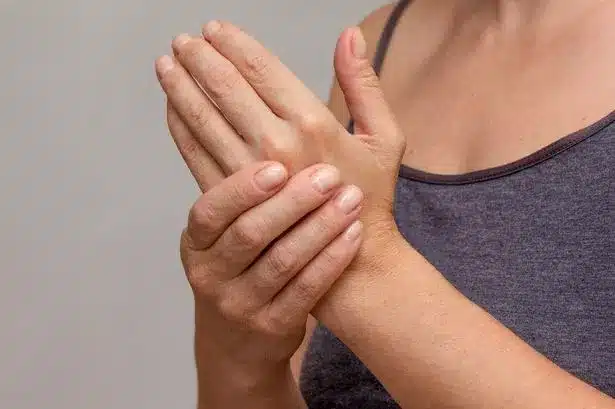
What to do: If tingling is persistent or severe, talk to your doctor to rule out other causes. Staying active and stretching regularly may help reduce symptoms.
3. Burning Mouth or Changes in Taste
Some women experience a burning, tingling, or numb sensation in the mouth—sometimes called “burning mouth syndrome.” Others notice metallic tastes or that certain foods suddenly taste different. These changes are linked to drops in estrogen, which can affect the nerves and tissues in your mouth2.
What to do: Stay hydrated, practice good oral hygiene, and avoid spicy or acidic foods if they make symptoms worse. If the sensation persists, consult your dentist or doctor.
4. Dizziness or Vertigo
Feeling dizzy or off-balance? Hormonal changes during perimenopause and menopause can impact your blood sugar regulation and even your inner ear, leading to spells of dizziness or vertigo2. This symptom can be especially alarming if you don’t realize it’s connected to menopause.
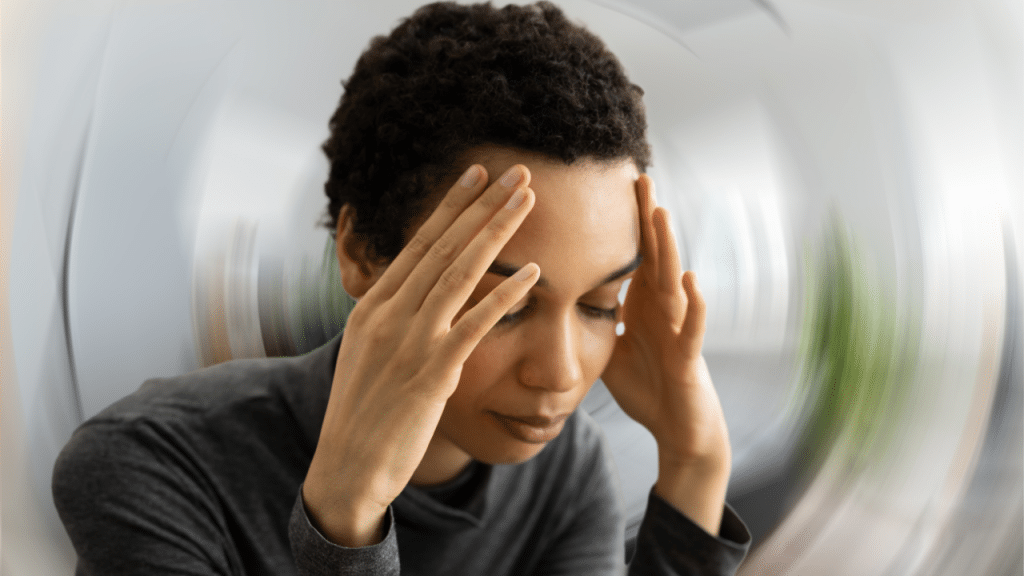
What to do: Move slowly when standing up, stay hydrated, and keep snacks handy to maintain stable blood sugar. If dizziness is severe or frequent, seek medical advice.
5. Itchy, Crawling Skin
A drop in estrogen can lead to dry, itchy skin—and sometimes even the bizarre sensation that something is crawling on your skin. This happens because estrogen is closely tied to collagen production and skin hydration. As levels fall, skin becomes drier and more sensitive, leading to itchiness and odd sensations3.
What to do: Use gentle, fragrance-free moisturizers, avoid hot showers, and wear loose, breathable clothing. If itching is intense or accompanied by a rash, consult your healthcare provider.
Why These Symptoms Are So Often Missed
Many of these signs are overlooked or mistaken for other health issues. Because menopause affects nearly every system in the body, its symptoms can be surprisingly wide-ranging and sometimes subtle at first. The good news? Knowing what to expect can help you feel more in control and less anxious about the changes ahead.
When to Seek Help

If you’re experiencing symptoms that are interfering with your daily life, don’t hesitate to talk to your doctor. There are treatments and lifestyle adjustments that can help you manage menopause more comfortably.
FAQs
Q: Can menopause symptoms start before my periods stop?
A: Yes! Many women experience symptoms during perimenopause, which can begin several years before your last period.
Q: Are these symptoms permanent?
A: Some symptoms, like hot flashes and mood swings, may fade over time. Others, like changes in skin or vaginal dryness, can persist after menopause.
Q: How can I track my symptoms?
A: Keeping a symptom diary or using a menopause tracking app can help you and your healthcare provider spot patterns and find effective solutions.
Take Charge of Your Menopause Journey
Curious about more unexpected menopause symptoms and how to manage them? Visit HormoneHealthQueen.com for expert advice, support, and real stories from women who’ve been there.
Follow us on social media for daily tips and encouragement as you navigate this new chapter!